

Introduction: Why Buddhism in Kushinagar Holds Eternal Significance
Among all the sacred Buddhist destinations in the world, Kushinagar occupies a deeply emotional and spiritual place. This is not where the journey of the Buddha began, nor where enlightenment was attained, but it is where the journey ended. For millions of Buddhists and spiritual seekers across the globe, Buddhism in Kushinagar represents acceptance, peace, liberation, and the final teaching of impermanence.
Located in eastern Uttar Pradesh, India, Kushinagar is the place where Gautama Buddha attained Mahaparinirvana, marking his final release from the cycle of birth and rebirth. Today, Kushinagar is one of the four most sacred Buddhist pilgrimage sites, alongside Lumbini, Bodh Gaya, and Sarnath.
For travelers from the United States, Europe, and Asia, Kushinagar is not just a destination, it is a life-altering spiritual experience. And for Indian travelers, it is a profound reminder of India’s role as the birthplace and guardian of Buddhism.
At Ghum India Ghum, we specialize in curating immersive Buddhist Circuit journeys that connect spirituality with seamless travel planning, making your pilgrimage meaningful, comfortable, and deeply enriching.
Understanding Buddhism in Kushinagar: A Historical Perspective
Kushinagar was once known as Kushavati, the capital of the ancient Malla kingdom. According to Buddhist texts, Lord Buddha arrived here after his final journey from Vaishali. Under a pair of sal trees, he lay down and delivered his last sermon to his disciples.
His final words, “All conditioned things are impermanent. Strive on with diligence.” form the spiritual foundation of Buddhism in Kushinagar.
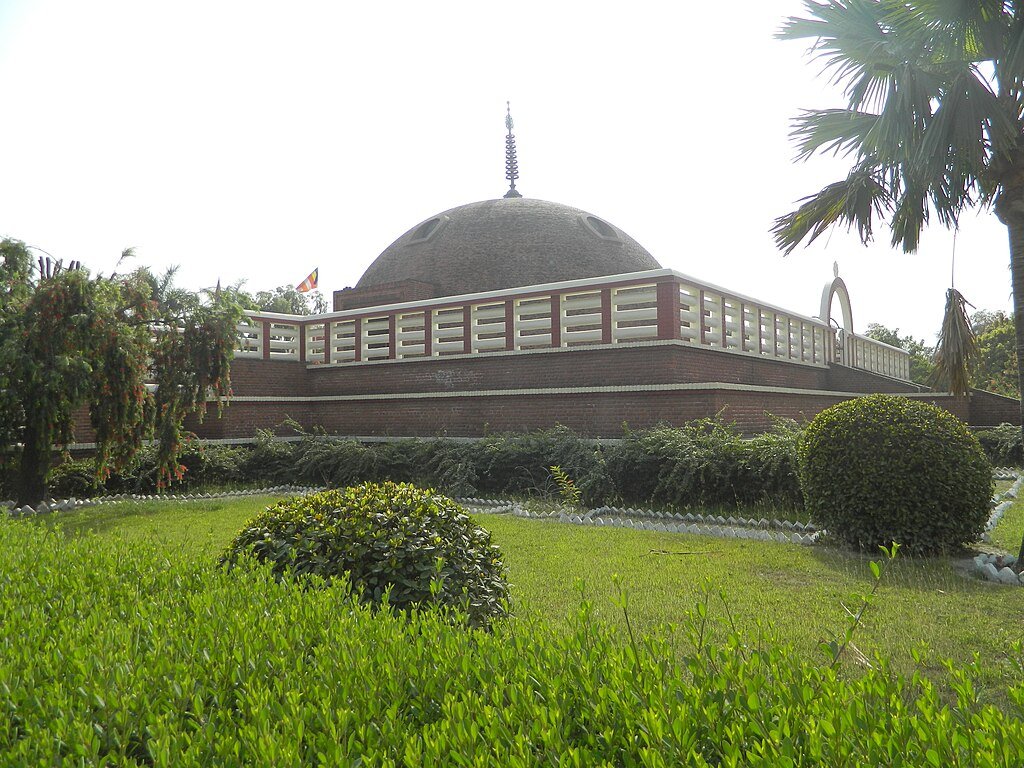
Following his Mahaparinirvana, Lord Buddha was cremated in Kushinagar, and his relics were distributed among various kingdoms. Emperor Ashoka later visited the site and constructed stupas and monasteries, ensuring Kushinagar’s place as a global Buddhist pilgrimage center.
Today, Kushinagar is recognized internationally, attracting monks, scholars, pilgrims, and travelers from Thailand, Sri Lanka, Japan, Vietnam, Myanmar, Europe, and North America.
Why Kushinagar Is One of the Four Holiest Buddhist Sites
To truly understand Buddhism in Kushinagar, one must see it in relation to the four sacred milestones of Buddha’s life:
- Lumbini – Birthplace of Buddha
- Bodh Gaya – Attainment of Enlightenment
- Sarnath – First Sermon
- Kushinagar – Mahaparinirvana
While the first three symbolize beginnings and teachings, Kushinagar symbolizes completion, liberation, and transcendence. This is why pilgrims often describe their visit to Kushinagar as emotionally overwhelming yet deeply peaceful.
Sacred Buddhist Sites to Visit in Kushinagar
Mahaparinirvana Temple
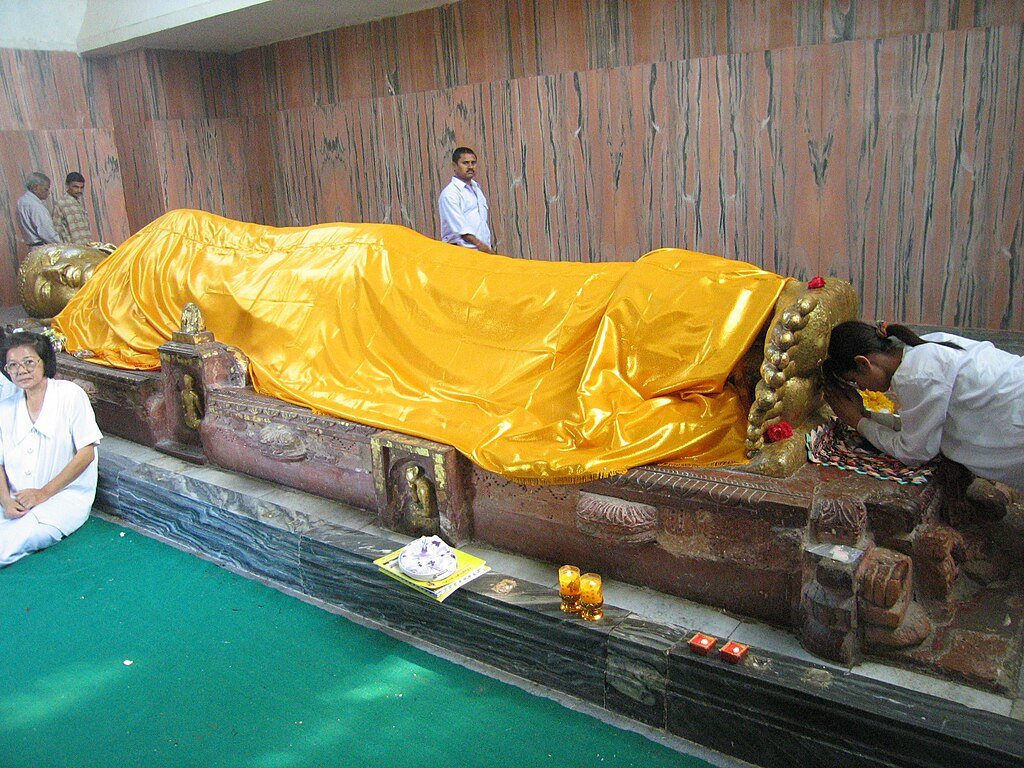
The heart of Buddhism in Kushinagar, this temple houses a 6.1-meter-long reclining statue of Lord Buddha, depicting his final moments. Made of sandstone and dating back to the 5th century CE, the statue radiates serenity and acceptance.
Pilgrims often sit in silent meditation here, absorbing the profound energy of the place.
Ramabhar Stupa (Muktabandhan Chaitya)
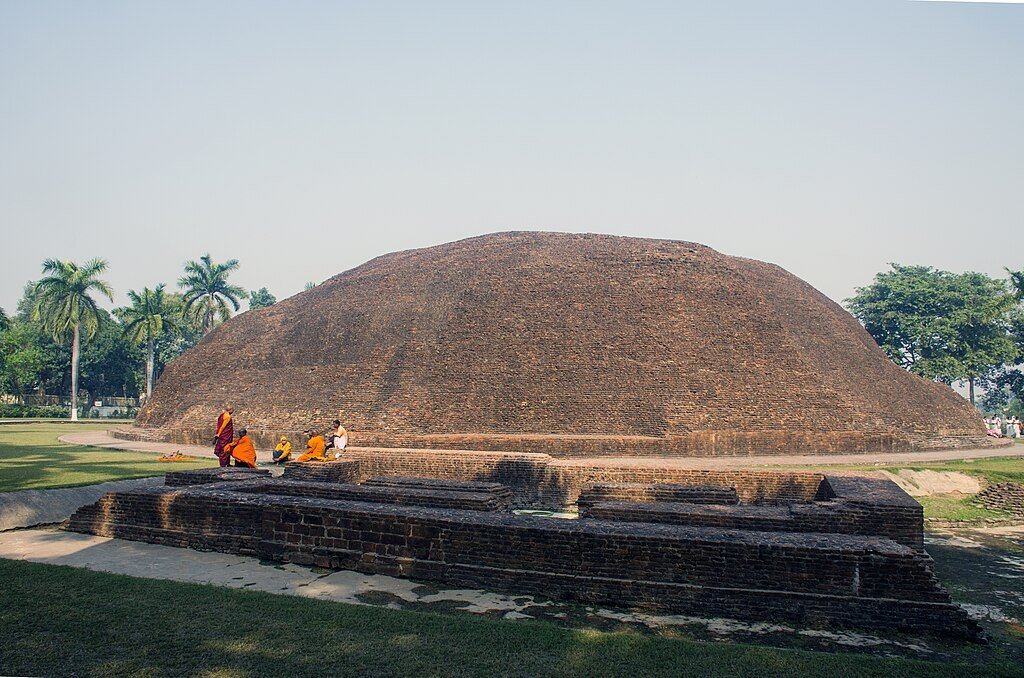
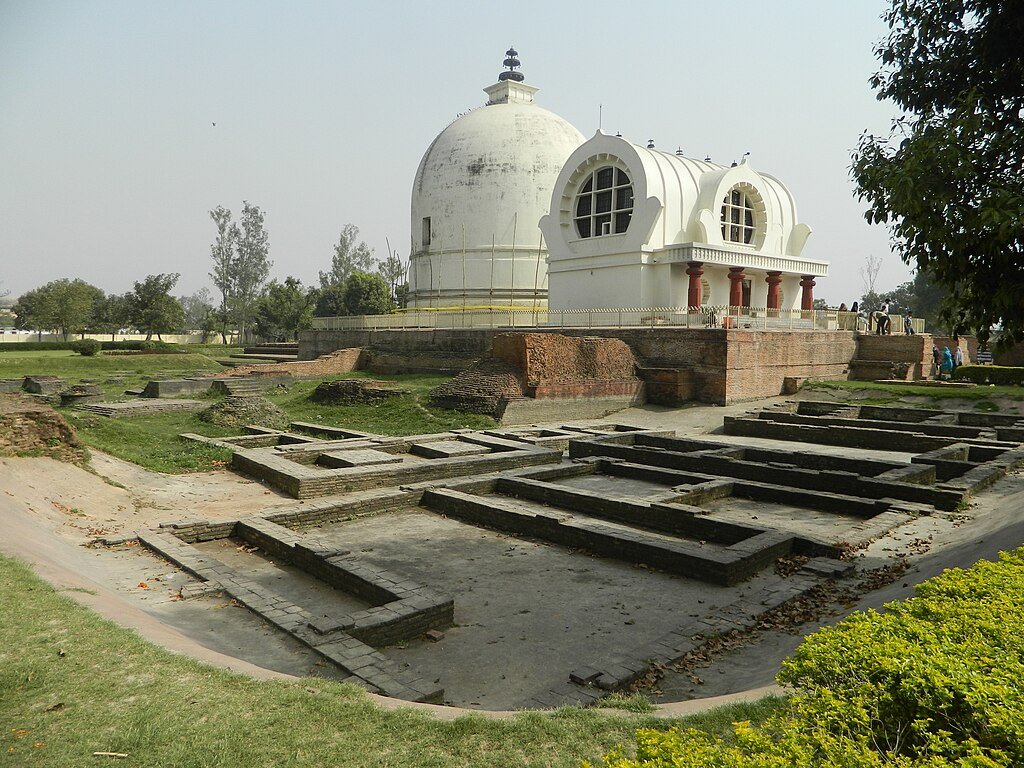
Located about 1 km from the Mahaparinirvana Temple, Ramabhar Stupa marks the cremation site of Lord Buddha. It is considered one of the most sacred spots in Kushinagar and is visited with deep reverence.
Matha Kuar Shrine
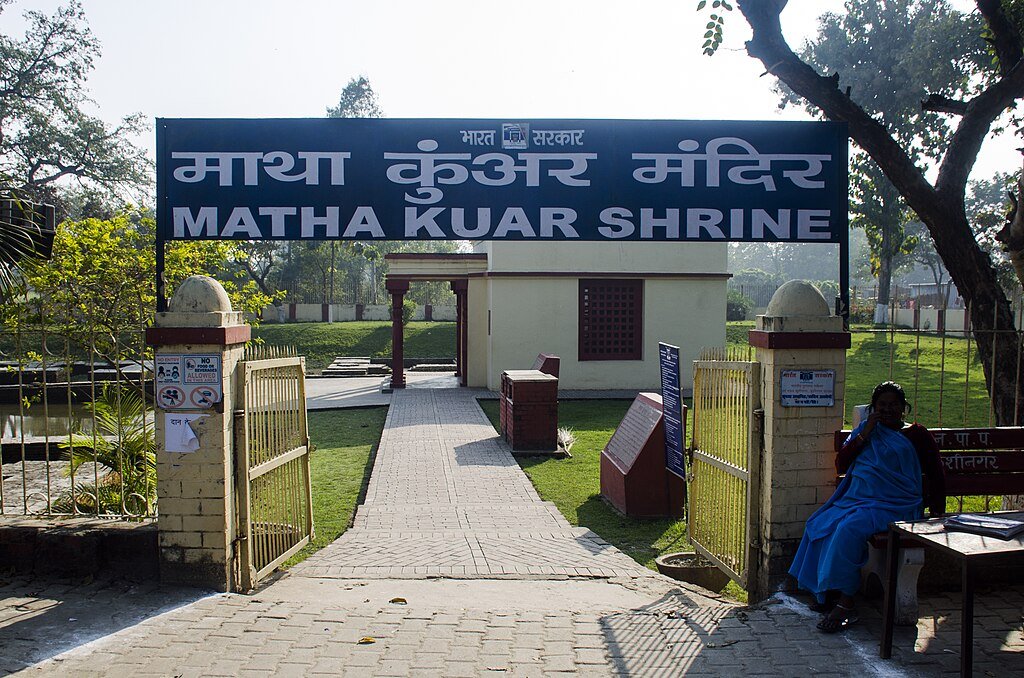
This shrine houses a standing Buddha statue believed to have been installed by Emperor Ashoka. It represents Buddha during his final visit to Kushinagar.
International Buddhist Monasteries
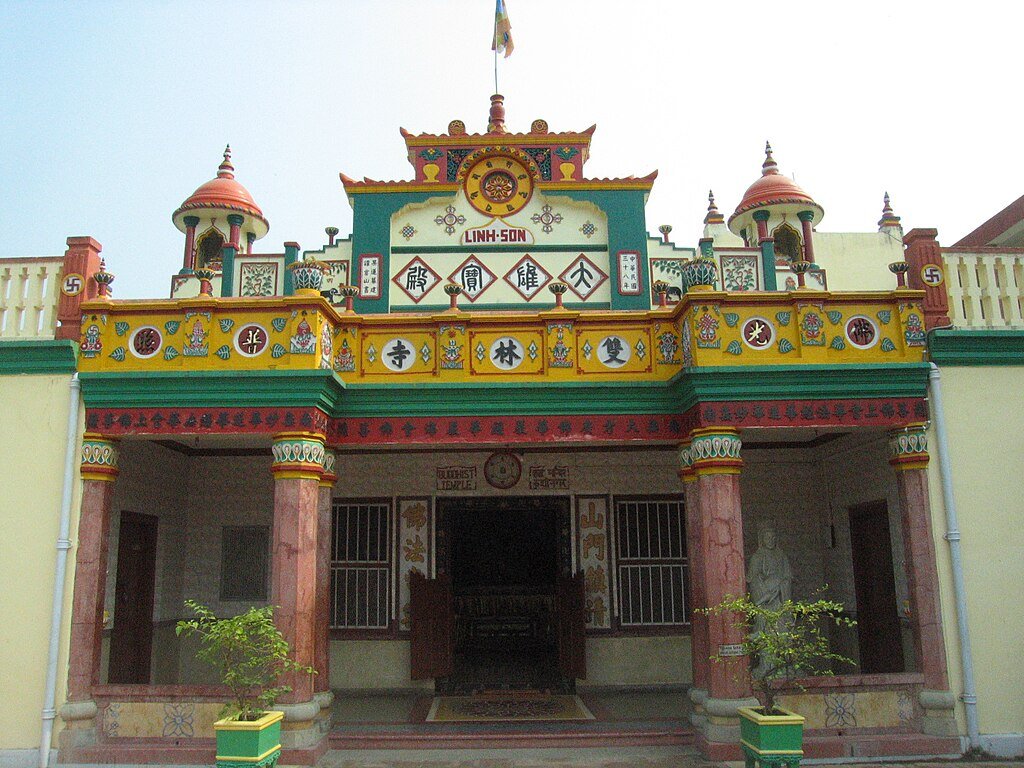
Kushinagar is home to monasteries built by Buddhist nations across the world; Thailand, Japan, Sri Lanka, China, Myanmar, and Tibet. Each monastery reflects the architectural style and spiritual traditions of its country, making Kushinagar a truly global Buddhist hub.
Kushinagar and the Buddhist Circuit of India
Kushinagar plays a pivotal role in the Buddhist Circuit of India, a pilgrimage route that traces the life of Buddha across multiple sacred destinations.
A typical Buddhist Circuit itinerary includes:
- Lumbini (Nepal)
- Bodh Gaya
- Rajgir & Nalanda
- Sarnath
- Kushinagar
- Vaishali
For international travelers, especially from the US and Europe, this circuit offers a once-in-a-lifetime spiritual journey combined with cultural exploration.
Ghum India Ghum – Best Tour Operator for India offers fully customizable Buddhist Circuit tours with cross-border arrangements, multilingual guides, and spiritually focused itineraries.
Planning Your Trip to Kushinagar
Best Time to Visit Kushinagar
The ideal time to explore Buddhism in Kushinagar is between October and March, when the weather is pleasant and suitable for meditation, sightseeing, and long walks.
How to Reach Kushinagar
- By Air: Kushinagar International Airport connects the region with major Indian cities and select international routes.
- By Rail: Gorakhpur Junction (55 km) is the nearest major railway station.
- By Road: Well-connected by highways from Varanasi, Patna, and Lucknow.
Ideal Duration of Stay
- Kushinagar only: 1–2 days
- Complete Buddhist Circuit: 7–10 days
Where to Stay in Kushinagar
Kushinagar offers a range of accommodations:
- Buddhist monasteries with guest facilities
- Budget and mid-range hotels
- Premium hotels for international travelers
Ghum India Ghum, as a trusted DMC for India, selects accommodations that balance comfort with proximity to pilgrimage sites.
Cultural Etiquette & Spiritual Practices
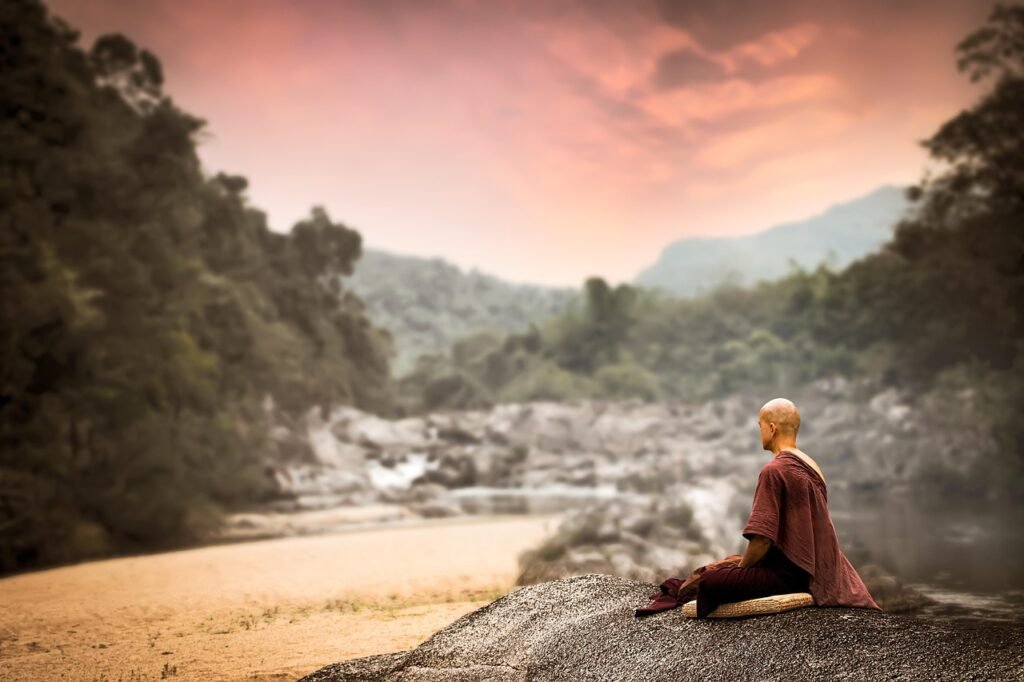
Visitors exploring Buddhism in Kushinagar should:
- Dress modestly
- Maintain silence in temples
- Remove shoes before entering shrines
- Respect monks and prayer rituals
These practices are especially important for international travelers seeking an authentic spiritual experience.
Why Choose Ghum India Ghum for Your Buddhist Circuit Tour
Choosing the right travel partner is essential for a spiritually sensitive journey like the Buddhist Circuit.
What Makes Ghum India Ghum Different?
- Specialized expertise in Buddhist pilgrimage tours
- Tailor-made itineraries for US, Europe & Asia
- English-speaking and culture-trained guides
- Seamless logistics, visas, hotels & transport
- Ethical, respectful, and spiritually aligned travel planning
This is why travelers trust Ghum India Ghum – Best Tour Operator for India as their preferred DMC for India.
Buddhist Circuit Tour Packages by Ghum India Ghum
We offer:
Each itinerary is customizable based on travel style, time, and spiritual interest.
Buddhism in Kushinagar: A Transformational Experience
A visit to Kushinagar is not about sightseeing, it is about self-reflection, impermanence, and inner peace. Travelers often leave with a deeper understanding of life, loss, and liberation.
For many Western travelers, Kushinagar becomes the most emotionally resonant stop on their India journey.
Frequently Asked Questions (FAQs)
A: Kushinagar is where Lord Buddha attained Mahaparinirvana, making it one of the holiest Buddhist pilgrimage sites in the world.
A: Yes, Kushinagar is a key destination in the Buddhist Circuit, along with Bodh Gaya, Sarnath, Rajgir, Nalanda, and Lumbini.
A: Yes. Kushinagar is peaceful, pilgrimage-focused, and safe for solo travelers, groups, and senior pilgrims.
A: 1–2 days are sufficient for Kushinagar alone, while a complete Buddhist Circuit requires 7–10 days.
A: Ghum India Ghum – Best Tour Operator for India is a trusted DMC for India, offering expert-led Buddhist Circuit tours.
A: Yes. Many Buddhist Circuit itineraries include Lumbini in Nepal, and Ghum India Ghum handles cross-border arrangements seamlessly.
Final Thoughts: Begin Your Spiritual Journey with Ghum India Ghum
Buddhism in Kushinagar is not merely history, it is a living philosophy that continues to guide millions. Whether you are a pilgrim, scholar, or seeker, Kushinagar invites you to pause, reflect, and reconnect with what truly matters.
When you’re ready to plan your Buddhist Circuit journey, trust Ghum India Ghum – Best Tour Operator for India, your reliable DMC for India, to transform your spiritual intent into a seamless, soul-enriching experience.
