
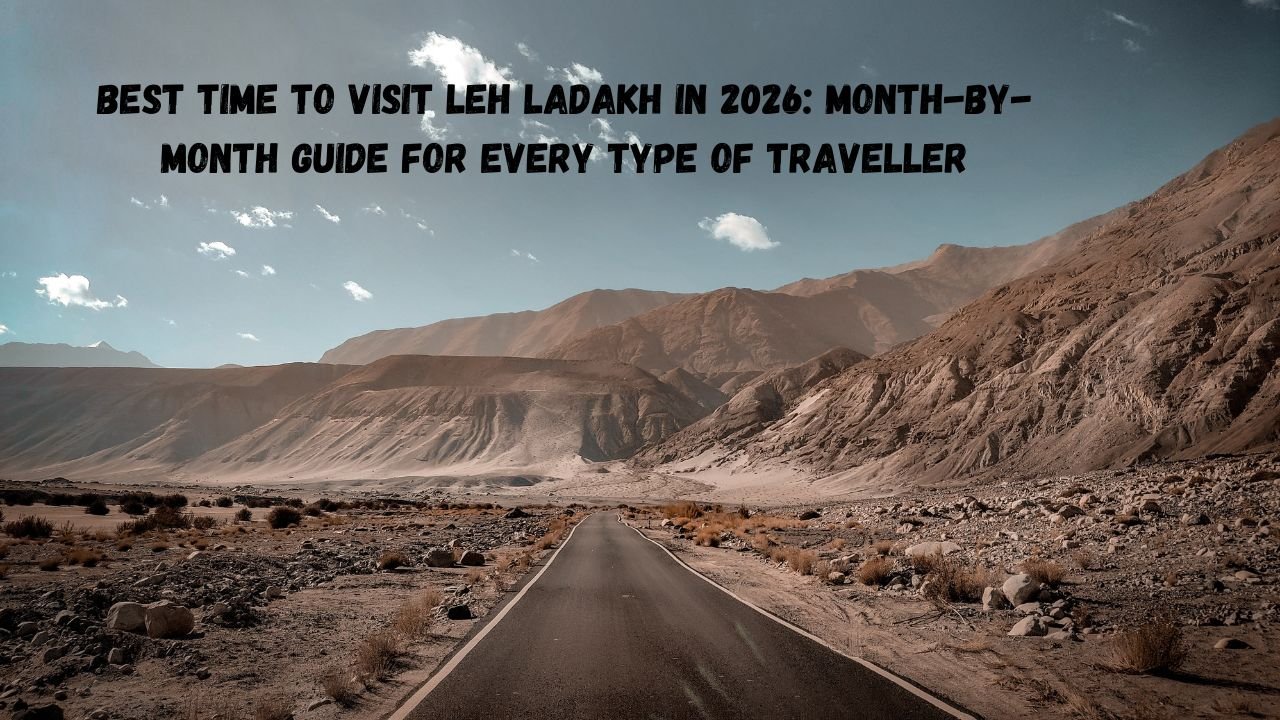

Introduction: Why Timing Your Ladakh Trip is Everything
Close your eyes and picture this: you’re standing at the edge of Pangong Tso lake at dawn. The water shifts from sapphire to turquoise to deep indigo as the first light catches the Himalayan peaks above. The air is thin, crisp, and completely silent. There is no crowd, no noise, just you and one of the world’s most extraordinary landscapes.
Now imagine arriving two weeks too early, the road is still snowed shut. Or two weeks too late, the passes are closing and a blizzard is moving in from Tibet.
This is why timing is everything in Leh Ladakh.
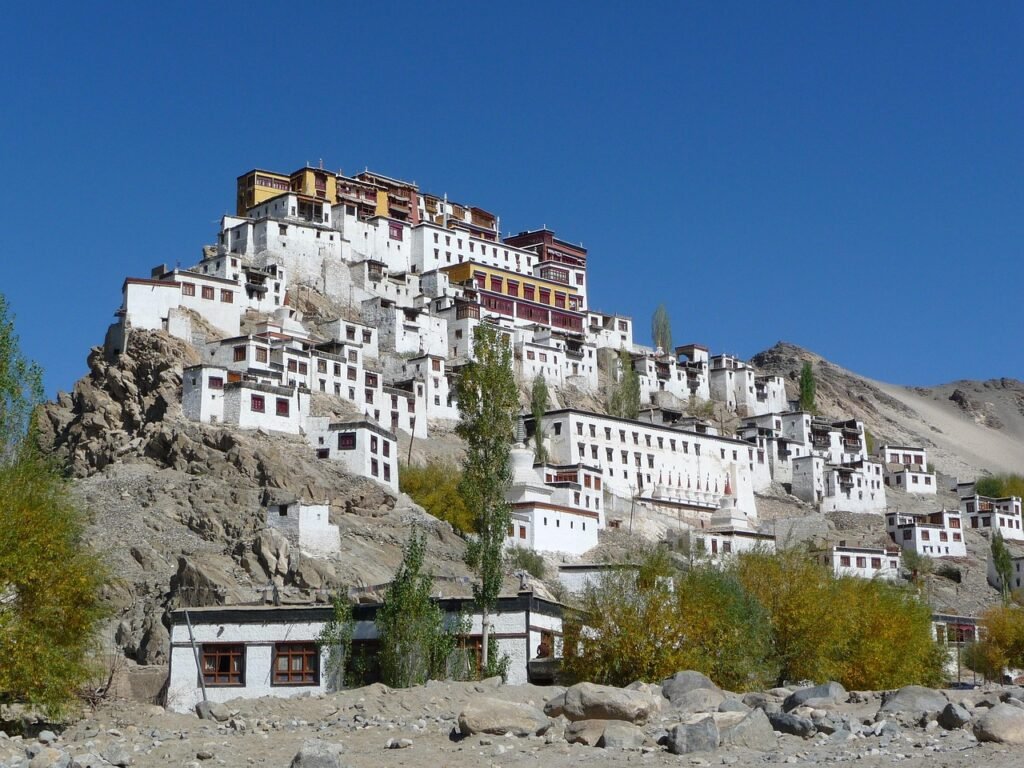
Situated at an average altitude of 3,500m (11,500 ft) in the northernmost reaches of India, Leh Ladakh is one of the world’s most dramatic high-altitude destinations and one of the most weather-sensitive. The best time to visit Leh Ladakh is generally May through September, with September standing out as the single finest month for most travellers. But the truth is more nuanced: every month of the year has something extraordinary to offer, if you know what you’re looking for.
This guide, crafted by the experts at Ghum India Ghum — India’s trusted Destination Management Company (DMC), breaks down every single month so you can plan the perfect Leh Ladakh trip from the USA, Europe, or anywhere in India.
| QUICK ANSWER: The best time to visit Leh Ladakh is May–September, with September being the single best month for most travellers. Summer (June–August) is peak season. January–February is ideal for the legendary Chadar Trek. Read on for the full month-by-month breakdown. |
Quick Reference: Month-by-Month Overview
Use this table to instantly identify the best month for your travel style. Detailed breakdowns follow below.
| Month | Weather | Road Status | Crowd | Best For |
| January | -15°C to 5°C, Frozen | Leh–Srinagar open; Manali–Leh closed | Very Low | Chadar Trek, Photography |
| February | -12°C to 6°C, Snow | Leh–Srinagar open; Manali–Leh closed | Very Low | Chadar Trek, Frozen landscapes |
| March | -5°C to 12°C, Thawing | Leh–Srinagar open; Manali–Leh closed | Low | Off-season deals, Monastery visits |
| April | 0°C to 18°C, Mild | Leh–Srinagar open; Manali–Leh opening | Low–Medium | Wildflower season beginning, Less crowds |
| May | 8°C to 24°C, Pleasant | Both routes opening | Medium | Shoulder season, Great value, All sites open |
| June | 12°C to 28°C, Warm & Clear | All major passes open | High | All attractions, Hemis Festival, Best weather |
| July | 15°C to 30°C, Peak Summer | All roads open | Peak | Everything accessible, Festivals, Bike trips |
| August | 14°C to 29°C, Slight rains | All roads open | Peak | Maximum activities, Ladakh Festival |
| September | 10°C to 25°C, Golden | All passes open | Medium | BEST OVERALL — Golden landscapes, thin crowds |
| October | 2°C to 18°C, Crisp | Passes closing late Oct | Low | Photography, Autumn colours, Off-season rates |
| November | -5°C to 8°C, Cold | Manali–Leh closed; Srinagar open | Very Low | Stargazing, Monastery solitude |
| December | -15°C to 0°C, Frozen | Only Leh–Srinagar (weather permitting) | Minimal | Chadar Trek preparation, New Year in Leh |
Complete Month-by-Month Guide to Leh Ladakh in 2026
January & February — The Chadar Trek Season
| Best For: Adventurers, Winter photography, Chadar Trek | Temperature: –20°C to 5°C |
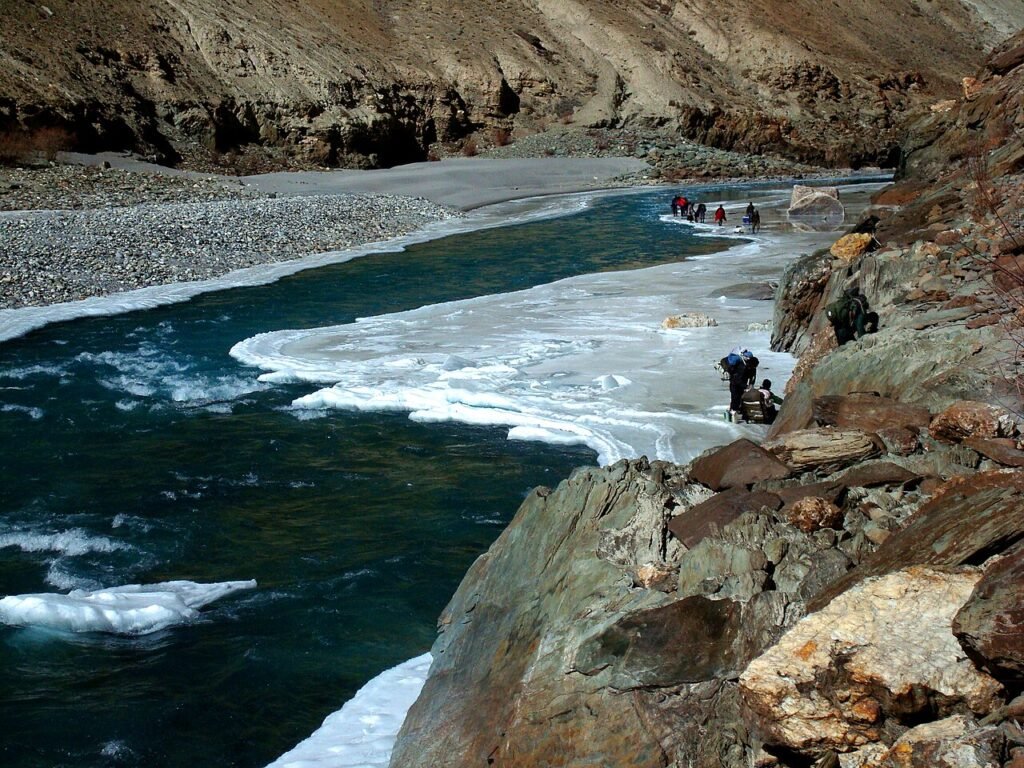
Leh Ladakh in winter is a world apart. January and February bring extreme cold, temperatures plummet to –20°C at night, but reward those who brave it with surreal frozen landscapes, absolute solitude, and the chance to walk on the frozen Zanskar River: the famous Chadar Trek.
The Chadar Trek (January–February) is one of India’s most iconic adventure experiences. You literally walk on a frozen river through a dramatic gorge, camping on ice, surrounded by icy silence. It is a bucket-list experience for serious trekkers from the US and Europe.
Leh town is accessible by air year-round even in winter, though the Manali–Leh Highway is firmly closed. The Leh–Srinagar road may operate on weather-permitting days.
Who Should Visit in January / February
- Adventure travellers specifically seeking the Chadar Trek
- Winter photography enthusiasts (frozen monasteries, blue-hour snow scenes)
- Budget travellers — lowest prices, significant hotel discounts
- NOT recommended for first-time visitors, families, or those with altitude sensitivity
March & April — The Shoulder Awakening
| Best For: Off-season explorers, Monastery culture, Great-value trips | Temperature: –5°C to 18°C |
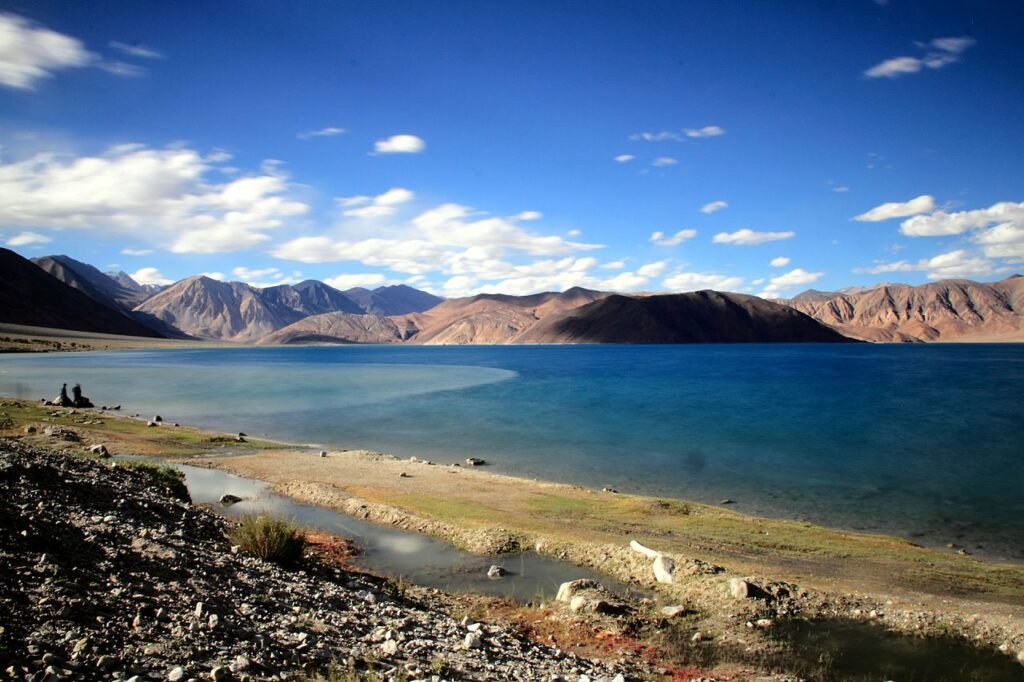
March marks the slow thaw. Snow begins to recede from Leh town, migratory birds return to Pangong Tso, and the famous apricot blossoms erupt across the Ladakhi villages in April, one of the most photographically stunning and least-known sights in all of India.
April is particularly special: the Indus Valley turns gold and pink with blossoms, monastery life is in full swing, and you’ll share the roads with almost nobody. Permits are easy to obtain, accommodation is discounted by 30–50%, and the local experience is far more authentic.
The Manali–Leh Highway typically opens in late May, so in March and April you’ll rely on the Leh–Srinagar road or fly in. Inner Line Permits are fully operational.
Ghum India Ghum Recommendation
For Indian luxury travellers seeking exclusivity and competitive pricing, April is one of our best-kept secrets. We design bespoke April itineraries that combine Ladakh with Kashmir’s tulip season, a spectacular double destination.
May — The Perfect Shoulder Month
| Best For: All traveller types, Great weather, Excellent value | Temperature: 8°C to 24°C |
May is when Ladakh truly wakes up. The Manali–Leh Highway opens (usually late May), passes begin to clear, and the landscape is vivid green from snowmelt, a very different Ladakh from the dry golden vistas of high summer. Temperatures are ideal during the day: warm enough to be comfortable, cool enough to be refreshing.
May is our top recommendation for US and European travellers who want to avoid peak-season crowds while enjoying excellent access. Flight connections are easy, all major attractions are accessible, and luxury camps begin their season with freshly-prepared facilities.
June — The Season Opens in Full
| Best For: All travellers, Hemis Festival, Maximum daylight | Temperature: 12°C to 28°C |
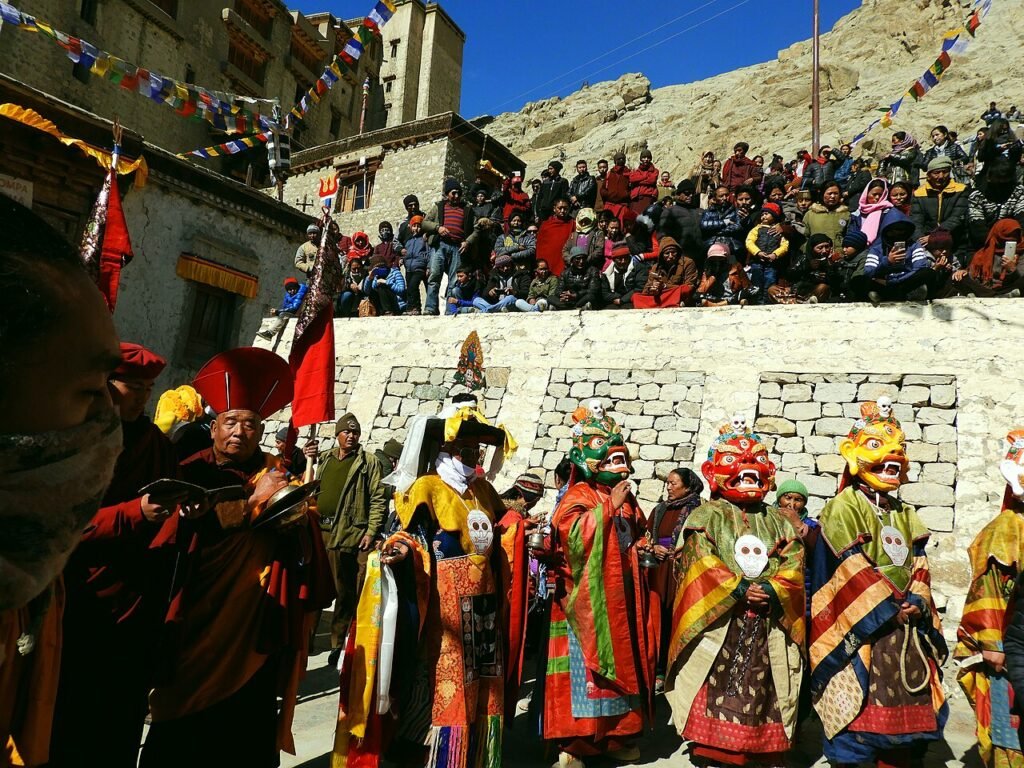
June is when Leh Ladakh truly hits its stride. All major mountain passes – Khardung La, Chang La, Baralacha La are fully open. Pangong Tso, Nubra Valley, Tso Moriri, and Zanskar are all accessible. The famous Hemis Festival (usually late June / early July) brings masked Cham dances to Hemis Monastery — one of the most colourful cultural experiences in the Himalayas.
The downside: crowds and prices peak in June. Book accommodation and Ghum India Ghum packages at least 3–4 months in advance for June travel.
Key 2026 Events in June
- Hemis Festival — Hemis Monastery (confirm exact dates for 2026)
- Dosmoche Festival — Leh Palace area
- Full opening of all major trekking routes
July & August — Peak Season
| Best For: Families, First-timers, Complete access, Maximum activities | Temperature: 14°C to 30°C |
July and August are Ladakh at its most accessible and most crowded. Every road is open, every hotel is full, and the region buzzes with travellers from across India and the world. This is the perfect time for families and first-time visitors who want guaranteed access to everything, maximum support infrastructure, and the full Ladakh experience.
The Ladakh Festival takes place in early September but celebrations begin in late August, with folk dances, archery, polo, and cultural exhibitions across the region.
For international travellers from the US and Europe, July and August align perfectly with summer holidays. Ghum India Ghum strongly advises booking at least 4–6 months ahead for July–August travel.
September — The Single Best Month (Our Top Pick)
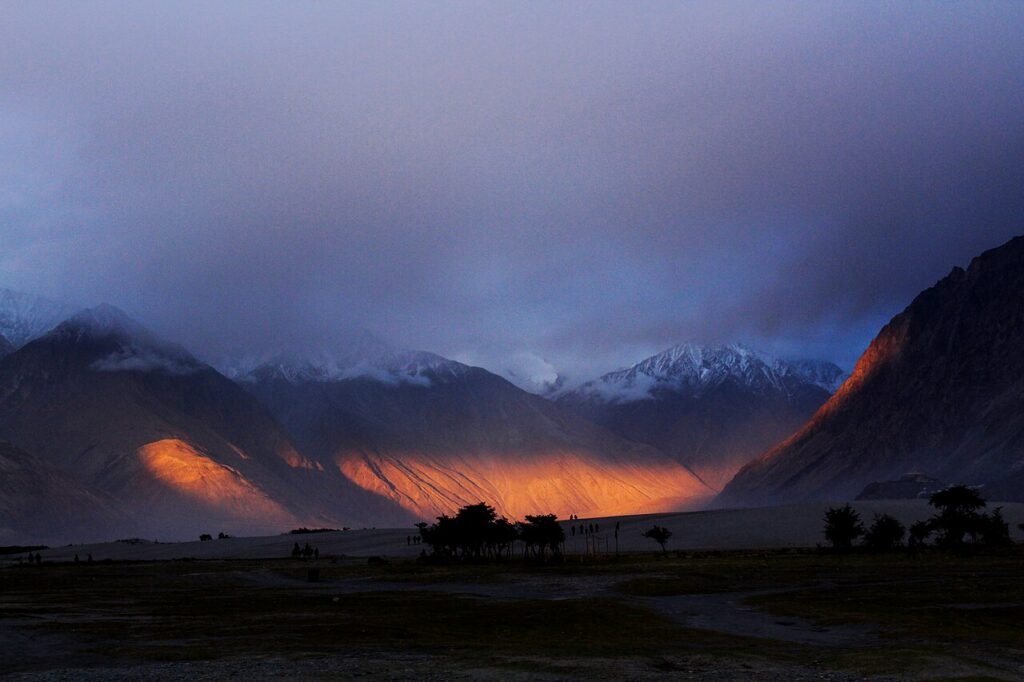
| ★ EDITOR’S CHOICE: September is the best overall month to visit Leh Ladakh — perfect weather, thin crowds, golden light, lower prices. |
If you can visit only once and want the very best of Leh Ladakh, choose September. The crowds of peak season have thinned out. Prices drop by 15–25%. The landscape turns golden as autumn begins. The skies are impossibly clear. All roads and passes remain open through most of September.
The Ladakh Festival runs in early September in Leh town, a spectacular celebration of Ladakhi culture with traditional costumes, music, polo, and archery. It is far less crowded than June’s Hemis festival and far more authentic in atmosphere.
For US and European travellers, September aligns with the post-Labour Day / post-school-holiday window, flights to Delhi are cheaper, Leh accommodation rates fall, and you’ll find that the Ladakhis themselves seem more relaxed and hospitable.
September Highlights
- Ladakh Festival (early September) — Leh
- Best stargazing conditions of the year (crystal clear skies)
- Pangong Tso at its most beautiful — golden light on blue water
- Nubra Valley sand dunes with Bactrian camels at their photogenic peak
- All trekking routes fully open
October — The Quiet Treasure
| Best For: Photographers, Off-season luxury seekers, Autumn colour | Temperature: 2°C to 18°C |
October is Ladakh’s best-kept secret. The tourists are gone. The poplar trees along the Indus Valley turn bright gold and orange, creating some of the most extraordinary photographic landscapes in all of Asia. Temperatures remain manageable during the day, though nights grow cold.
The Manali–Leh Highway typically closes in late October, so October travellers should check road conditions carefully. Leh remains accessible by air. Inner Line Permits operate normally throughout October.
Ghum India Ghum’s October packages are among our most popular for photography-focused and luxury travellers who want Ladakh entirely to themselves.
November & December — Transition to Winter
| Best For: Unique experiences, New Year, Pre-Chadar Trek preparation | Temperature: –15°C to 8°C |
November sees Ladakh go quiet. Most tourism infrastructure closes or reduces service. The Manali–Leh Highway closes firmly by mid-November. However, Leh is accessible by air, and a handful of boutique properties remain open for those seeking genuine solitude.
December is extremely cold but offers a unique experience: a nearly empty Leh town, stunning winter photography, and preparation for the Chadar Trek season that begins in January. New Year’s Eve in Leh, under a sky blazing with stars at 3,500m, is an experience that few travellers anywhere on earth have ever had.
Best Time to Visit Leh Ladakh by Travel Style
For Families with Children
Best months: June, July, August. School holiday alignment, all infrastructure operational, medical facilities accessible, no unexpected road closures. Ghum India Ghum designs child-safe family itineraries with appropriate acclimatization schedules.
For Honeymooners & Couples
Best months: September (first choice), May (second choice). Thinner crowds, more intimate atmosphere, luxury camps at their best, golden light for couple photography. Our luxury tented camps by Pangong Tso are among the most romantic settings in the world.
For US & European First-timers
Best months: July or September. July for maximum support infrastructure and guaranteed access to everything; September for the superior overall experience. Either way, book through a specialist India DMC like Ghum India Ghum to handle permits, logistics, and acclimatization planning.
For Luxury Travellers (Indian & International)
Best months: May, September, October. Lower crowds allow exclusive access to luxury properties. Stargazing camps in September–October are extraordinary. Our curated luxury Ladakh packages include butler service, private vehicles, fine Ladakhi-fusion dining, and direct access to restricted areas.
For Adventure & Trekking
Best months: June–September for high-altitude treks (Markha Valley, Stok Kangri, Zanskar traverse). January–February exclusively for the Chadar Trek. Each trekking season requires different equipment — Ghum India Ghum provides full gear guidance and certified mountain guides.
For Photographers
Best months: September (golden landscapes, crystal skies), October (autumn colour), January–February (frozen monasteries, blue-hour ice), April (apricot blossoms). We design photography-specific itineraries with sunrise access to key sites.
For Spiritual Travellers
Best months: June (Hemis Festival), September (Ladakh Festival), any time for monastery visits. Ladakh has over 100 functioning Buddhist monasteries. Our spiritual Ladakh tours include private audiences with senior lamas, meditation retreats, and monastery overnight experiences.
How to Get to Leh Ladakh from the USA, UK & Europe
Flying to Leh (Kushok Bakula Rimpochhe Airport)
Leh’s airport (IATA: IXL) is connected to Delhi (DEL), Mumbai (BOM), Srinagar (SXR), and Jammu (IXJ). There are no direct international flights to Leh.
Typical Route from the USA:
- New York (JFK) / Los Angeles (LAX) → Delhi (DEL) — 14–16 hours direct
- Delhi (DEL) → Leh (IXL) — 1 hour 15 minutes (multiple daily flights: IndiGo, Air India, SpiceJet)
- Total travel time from NYC to Leh: approximately 20–22 hours including layover
Typical Route from Europe:
- London (LHR) / Paris (CDG) / Frankfurt (FRA) → Delhi (DEL) — 8–9 hours
- Delhi (DEL) → Leh (IXL) — 1 hour 15 minutes
- Total travel time from London to Leh: approximately 14–16 hours
Pro Tip: Fly into Leh rather than driving the first day. Flying allows your body to begin acclimatizing in Leh (3,500m) rather than shocking it with a rapid 2-day road climb from sea level. Ghum India Ghum always recommends flying in and, if desired, driving out via Manali or Srinagar.
Overland Routes to Leh
Manali–Leh Highway (NH3)
480 km, 2 days, open approximately late May to late October. Passes through some of the world’s highest motorable roads including Rohtang La (3,978m) and Baralacha La (4,890m). Stunning scenery. Ghum India Ghum runs private jeep convoys on this route with acclimatization stops.
Srinagar–Leh Highway (NH1)
434 km, 2 days, open approximately May to November (often longer than Manali route). Passes through Zoji La (3,528m) and along the Indus River. Passes Kargil, site of the 1999 conflict, with its own powerful atmosphere. Recommended for those combining Ladakh with Kashmir.
Permits & Visa: Essential Information for International Visitors
Indian e-Visa for US & European Citizens
Most US and European passport holders can obtain an Indian Tourist e-Visa online before travel. The process takes 3–5 business days and costs USD 25–80 depending on duration. Ghum India Ghum assists all international clients with their e-Visa applications as a complimentary service.
Inner Line Permit (ILP) — Required for Foreign Nationals
Foreign nationals require an Inner Line Permit (ILP) to enter the following restricted areas:
- Nubra Valley (Diskit, Hunder, Turtuk)
- Pangong Tso (Pangong Lake)
- Tso Moriri Lake
- Dah and Hanu (Aryan villages)
- Hanle (Dark Sky Reserve — requires additional Protected Area Permit)
ILPs are issued by the DC Office in Leh or online through the Ladakh Tourism portal. They are typically granted same-day in Leh. Ghum India Ghum manages all permit applications for every international client — this is included in every package at no extra charge.
| NOTE: ILP rules change periodically. As of 2025, foreigners cannot travel to restricted areas without a permit. Always travel with a reputable operator who handles this on your behalf. |
Altitude Sickness in Leh Ladakh: Everything You Must Know
Altitude sickness (Acute Mountain Sickness / AMS) is the biggest health risk in Leh Ladakh and the leading cause of emergency medical evacuations. Understanding it is essential before you go — especially for travellers from low-altitude countries like the USA, UK, and most of Europe.
Key Altitudes
- Leh City: 3,524m / 11,562 ft
- Khardung La Pass: 5,359m / 17,582 ft
- Chang La Pass: 5,360m / 17,586 ft
- Pangong Tso Lake: 4,350m / 14,270 ft
- Tso Moriri Lake: 4,522m / 14,836 ft
Symptoms of AMS
- Headache (the most common symptom)
- Nausea and loss of appetite
- Dizziness and fatigue
- Shortness of breath, especially at rest
- Disturbed sleep
| WARNING: Severe AMS can escalate to High Altitude Pulmonary Edema (HAPE) or High Altitude Cerebral Edema (HACE) — both life-threatening conditions. If symptoms worsen, descend immediately and seek medical assistance. |
Prevention Protocol (Ghum India Ghum Standard)
- Mandatory 2-day acclimatization in Leh before any high-altitude excursions
- Rest completely on Day 1 in Leh — no sightseeing
- Drink 3–4 litres of water daily
- Avoid alcohol for the first 48 hours
- Light, carbohydrate-rich meals
- Consult your doctor about Diamox (acetazolamide) before departure
- Carry pulse oximeter — alert if SpO2 drops below 85%
- Travel with supplemental oxygen (Ghum India Ghum provides this in all vehicles)
Luxury Leh Ladakh: The Premium Travel Experience
Ladakh’s luxury travel landscape has transformed dramatically in recent years. What was once exclusively a backpacker and adventure destination now offers world-class tented camps, heritage homestays with butler service, private stargazing observatories, and helicopter excursions to remote monasteries.
Top Luxury Experiences in Ladakh
- Private tented camp by Pangong Tso — starlit dinner with Himalayan peaks reflected in the lake
- Helicopter excursion to Zanskar’s remote monasteries
- Private sunrise access to Thiksey Monastery’s morning prayers
- Customised Bactrian camel safari in Nubra Valley’s sand dunes
- Professional astrophotography session at Hanle Dark Sky Reserve
- Cooking class with a Ladakhi family and a private monastery tour
- Exclusive spa treatments using local Himalayan herbs
Luxury Accommodation Highlights
- The Grand Dragon Ladakh, Leh — Ladakh’s flagship luxury hotel
- Nimmu House, Nimmu Village — Boutique heritage property on the Indus
- Chamba Camp, Thiksey — Luxury tents with monastery views (TATB)
- The Ultimate Travelling Camp — Pangong Tso — Seasonal ultra-luxury tented camp
- Glacier del Camp — Nubra Valley — Private glamping in the dunes
Ghum India Ghum Luxury Ladakh Package — What’s Included
- Pre-trip permit management from your home country
- Private airport transfers in luxury vehicles
- Handpicked luxury or boutique accommodation throughout
- Private experienced guide (multilingual — English, French, German, Spanish on request)
- All Inner Line Permits and Protected Area Permits
- Supplemental oxygen and first-aid kit in every vehicle
- 24/7 emergency on-ground support
- Curated dining experiences including private local family meals
- Post-trip support and itinerary customisation at no extra charge
Sample Leh Ladakh Itineraries
7-Day Leh Ladakh Itinerary (Ideal for US Travellers)
- Day 1: Arrive Leh, acclimatization — complete rest, evening walk in Leh Bazaar
- Day 2: Acclimatization — Shanti Stupa, Leh Palace, Hall of Fame Museum
- Day 3: Nubra Valley via Khardung La — Diskit Monastery, sand dunes, Bactrian camels
- Day 4: Nubra to Pangong Tso via Shyok Valley — sunrise at the lake
- Day 5: Pangong Tso — full day at the lake, photography, sunrise camp
- Day 6: Return to Leh via Chang La — Thiksey Monastery, Shey Palace
- Day 7: Final Leh exploration — Hemis Monastery, Stok Palace Museum, departure
10-Day Leh Ladakh Itinerary (Comprehensive, for European Travellers)
- Days 1–2: Arrive Leh, full acclimatization protocol
- Day 3: Leh Heritage Day — Leh Palace, Namgyal Tsemo Gompa, Sankar Monastery
- Day 4: Sham Valley — Alchi Monastery, Lamayuru (‘moonland’), Likir
- Day 5: Nubra Valley — Khardung La, Diskit, Hunder, Turtuk village
- Day 6: Nubra Valley exploration — Panamik hot springs, local homestay
- Day 7: Pangong Tso — arrive via Shyok, full evening and night at the lake
- Day 8: Pangong Tso sunrise, then Tso Moriri via Mahe bridge
- Day 9: Tso Moriri — full day exploration, Nomadic culture, Korzok Monastery
- Day 10: Return Leh via Chumathang — Thiksey, departure
14-Day Ultimate Ladakh & Kashmir (Premium Combined Tour)
Our most popular package for US and European luxury travellers combines Leh Ladakh with Srinagar’s Dal Lake, the Mughal gardens, and a traditional houseboat stay. Contact Ghum India Ghum for the full itinerary and bespoke customisation.
Why Book Your Leh Ladakh Tour with Ghum India Ghum
| Ghum India Ghum is one of India’s most trusted Destination Management Companies (DMC), specialising in crafting immersive, luxury and custom travel experiences across India for international and Indian luxury travellers. |
Our Credentials as India’s Premier DMC
- Full-service DMC for India — handling everything from visa to valediction
- Specialists in international travel to India — US, UK, Europe, Australia, Middle East
- Dedicated luxury Ladakh division with year-round on-ground team in Leh
- Members of IATO (Indian Association of Tour Operators)
- Recognised by the Ministry of Tourism, Government of India
- 24/7 emergency support line for all international clients
- Multilingual guides: English, French, German, Spanish, Italian
What Makes Us Different for Leh Ladakh
- All-inclusive permit management — ILP, PAP, e-Visa guidance from day one
- Medical-grade altitude sickness protocol built into every Ladakh itinerary
- Exclusive relationships with Ladakh’s finest luxury properties
- Private custom-built jeeps (not shared tourist vehicles)
- Local Ladakhi guides with deep cultural and ecological knowledge
- Responsible, sustainable tourism — we support local communities directly
Whether you are seeking a luxury Leh Ladakh tour package from the USA, planning a honeymoon, organising a corporate retreat, or looking for an adventure tour as a solo international traveller — Ghum India Ghum is your definitive DMC for India.
Frequently Asked Questions | Best Time to Visit Leh Ladakh
| What is the single best month to visit Leh Ladakh in 2026? |
| September is widely considered the single best month. Weather is perfect (15–25°C), crowds thin out after August, all major roads and passes are open, and the landscape turns golden. Pangong Tso, Nubra Valley and the Zanskar region are all fully accessible. For US and European travellers, it aligns perfectly with post-summer holiday windows and flights to Delhi are cheaper. |
| Can Americans and Europeans visit Leh Ladakh without a guide? |
| Yes, foreign nationals can visit most of Leh Ladakh independently but require an Inner Line Permit (ILP) for restricted areas including Nubra Valley, Pangong Tso, and Tso Moriri. The ILP is easily obtained online or through your tour operator. Ghum India Ghum manages all permits as part of every international package at no extra charge. |
| How many days do I need for a Leh Ladakh trip from the USA or Europe? |
| A minimum of 7–8 days in Ladakh itself is recommended, not counting travel days. For a complete experience covering Pangong, Nubra, and Zanskar, allow 10–12 days in Ladakh. From the US or Europe, factor in 2 flight days each way. Ghum India Ghum offers dedicated 10-day and 14-day curated international Ladakh packages. |
| What altitude is Leh Ladakh and how do I prevent altitude sickness? |
| Leh city sits at 3,524m (11,562 ft). Key sites reach up to 5,360m (17,580 ft). To prevent altitude sickness: fly directly to Leh, rest completely on arrival, drink 3–4 litres of water daily, avoid alcohol for 48 hours, and consult your doctor about Diamox (acetazolamide). Ghum India Ghum includes a mandatory 2-day acclimatization protocol in every Ladakh itinerary. |
| What is the cost of a luxury Leh Ladakh tour package in 2026? |
| Luxury Ladakh packages range from USD 1,500 to USD 5,000+ per person for 7–10 days depending on accommodation tier (luxury tented camps, boutique hotels, heritage properties), vehicle type, guide quality, and inclusions. Ghum India Ghum’s fully customizable luxury packages are priced for couples, small groups, and families. Contact us for a personalized quote. |
| When does the Manali–Leh Highway open in 2026? |
| The Manali–Leh Highway typically opens in late May or early June, subject to snow clearance by the Border Roads Organisation (BRO). In 2025 it opened on May 23rd. Expect a similar 2026 timeline. Ghum India Ghum monitors road conditions in real time and updates all booked clients immediately when status changes. |
| Can I visit Leh Ladakh in winter (December–February)? |
| Yes! Winter Ladakh is a unique, extraordinary experience. The Chadar Trek (frozen Zanskar River walk) runs January–February and is one of India’s most legendary adventure experiences. Leh remains accessible by air year-round. Temperatures drop to –20°C so proper gear is essential. Not recommended for casual tourists, but perfect for adventurous travellers booking with a specialist DMC. |
| Is Leh Ladakh safe for solo female travellers from the US or Europe? |
| Ladakh is consistently rated one of the safest regions in India for solo female travellers. Ladakhi culture is deeply respectful, and tourism infrastructure is well-developed. Ghum India Ghum provides verified female-friendly accommodations, experienced guides, and 24/7 emergency support for all solo international travellers. |
| What travel insurance do I need for Leh Ladakh? |
| Standard travel insurance is NOT sufficient for Leh Ladakh. You require a policy that specifically covers: high-altitude trekking (above 4,000m), emergency helicopter evacuation, medical treatment in India, and trip cancellation. Carriers such as World Nomads, Allianz, and IMG Global offer suitable policies. Ghum India Ghum provides guidance on insurance selection to all international clients. |
| Is there internet and mobile connectivity in Leh Ladakh? |
| Connectivity is available in Leh city (BSNL and Airtel) but drops significantly or disappears in remote areas like Pangong Tso, Nubra Valley, and Zanskar. Most luxury camps offer basic Wi-Fi. Ghum India Ghum provides emergency satellite communication devices for remote trekking on request. Embrace this as a genuine digital detox. |
| What is Ghum India Ghum and why is it the best DMC for India? |
| Ghum India Ghum is one of India’s premier Destination Management Companies (DMC), specialising in luxury, custom, and international travel across India. For Ladakh, we offer end-to-end services: visa and permit management, acclimatization-optimized itineraries, luxury accommodations, private vehicles, multilingual guides, and 24/7 on-ground support. We are trusted by travellers from the US, UK, Europe, and India’s luxury segment. |
Ready to Plan Your Leh Ladakh Trip? Book with Ghum India Ghum
| Whether you’re dreaming of September stargazing by Pangong Tso, a June festival itinerary, a January Chadar Trek adventure, or a 14-day luxury circuit combining Ladakh with Kashmir — Ghum India Ghum builds it for you, seamlessly, luxuriously, and safely. |
Get in Touch — We Respond Within 24 Hours
- Website: www.ghumindiaghum.com
- WhatsApp: +91-8860-139194 (available 24/7 for international clients)
- Email: enquiry@ghumindiaghum.com
Ghum India Ghum— Where Every Journey Becomes a Story Worth Telling
