


Kerala is not just a destination, it is a feeling. The gentle lap of houseboats on still backwaters, the rustle of coconut palms along golden beaches, the quiet discipline of an Ayurveda treatment centre at dawn. India’s southernmost state has earned its nickname “God’s Own Country” many times over and unlike most of India, Kerala is beautiful in almost every month of the year.
But when you visit makes an enormous difference to your experience. The backwaters look completely different in the dry season versus the monsoon. Beach towns like Kovalam and Varkala are buzzing with energy from October to February and sleepy (but dramatically beautiful) from June to September. Ayurveda, interestingly, is best experienced during the monsoon, something most foreign tourists don’t know until they get here.
This best time to visit Kerala guide breaks down season by season, so you can match your travel plans to what you actually want to experience.
Quick Answer: When Is the Best Time to Visit Kerala?
If you want the short answer: October to February is the most popular and comfortable time for most foreign tourists. The weather is pleasant, the backwaters are calm, the beaches are perfect, and all major experiences are fully operational.
But the “best” time genuinely depends on what you’re after:
| What You Want | Best Time to Visit |
|---|---|
| Beaches, backwaters, sightseeing | October – February |
| Ayurveda & wellness retreats | June – September (monsoon) |
| Wildlife & tea plantation visits | September – April |
| Kerala festivals (Onam, Thrissur Pooram) | August – May (varies by year) |
| Budget travel with fewer crowds | June – September |
| Honeymoon & romantic getaways | October – March |
Season 1: October to February — The Golden Season
This is Kerala at its most welcoming. The monsoon has cleared, the landscape is a vivid, washed green, the air is cool and dry, and the Arabian Sea is calm enough for swimming and water sports. And often claimed best time to visit Kerala by many.
What the weather is like
Temperatures hover between 23°C and 33°C (73°F to 91°F) across most of Kerala. Humidity is manageable, and evenings are genuinely pleasant. Rainfall is minimal, the occasional light shower in October and November, and almost nothing from December through February.
Why foreign tourists love this season
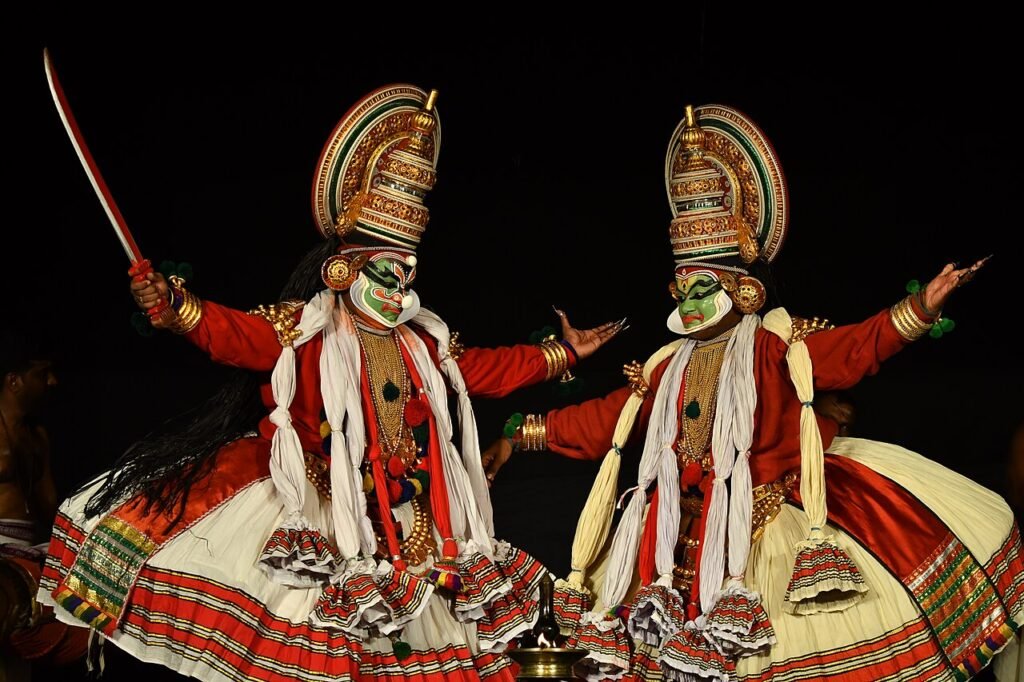
For US, UK, and European travellers arriving in the depths of their own winter, Kerala in December or January feels like paradise. This is peak season for a reason: every hotel, houseboat, and resort is at its best. Beach shacks are open. Kathakali performances are running nightly. Houseboat operators on Alleppey are fully booked, so plan and reserve early.
Best experiences in this season
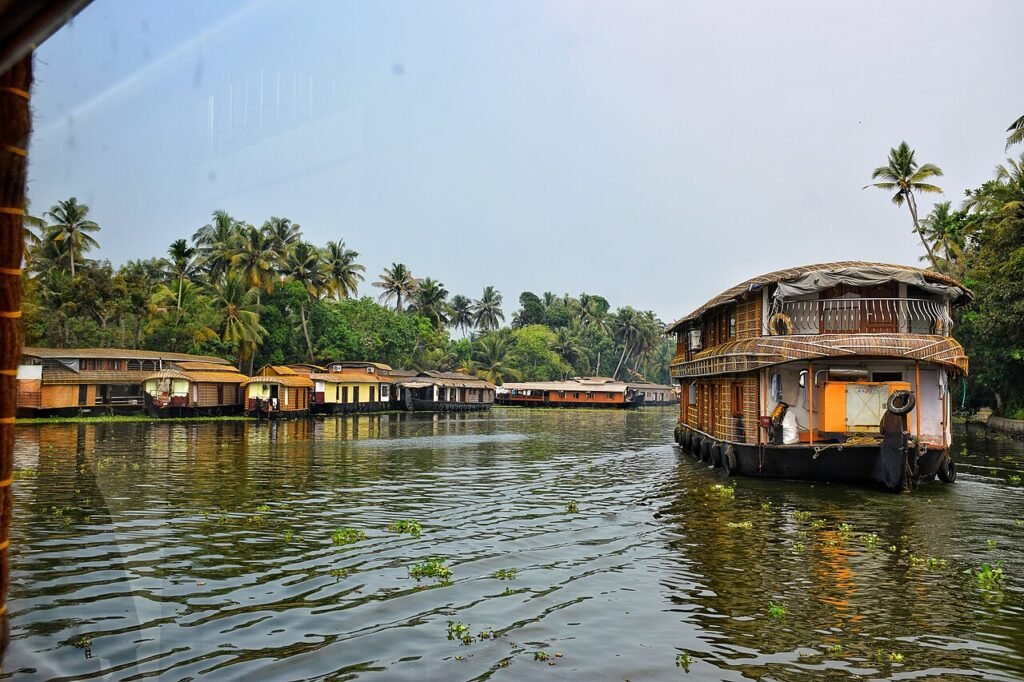
Alleppey (Alappuzha) backwaters — The famous kettuvallam houseboats ply the network of canals and lakes in full swing. An overnight stay on a houseboat, drifting past paddy fields and village life, is one of the most memorable experiences in all of India. October and November bring a particularly beautiful backdrop as the monsoon-fed greenery is still lush.
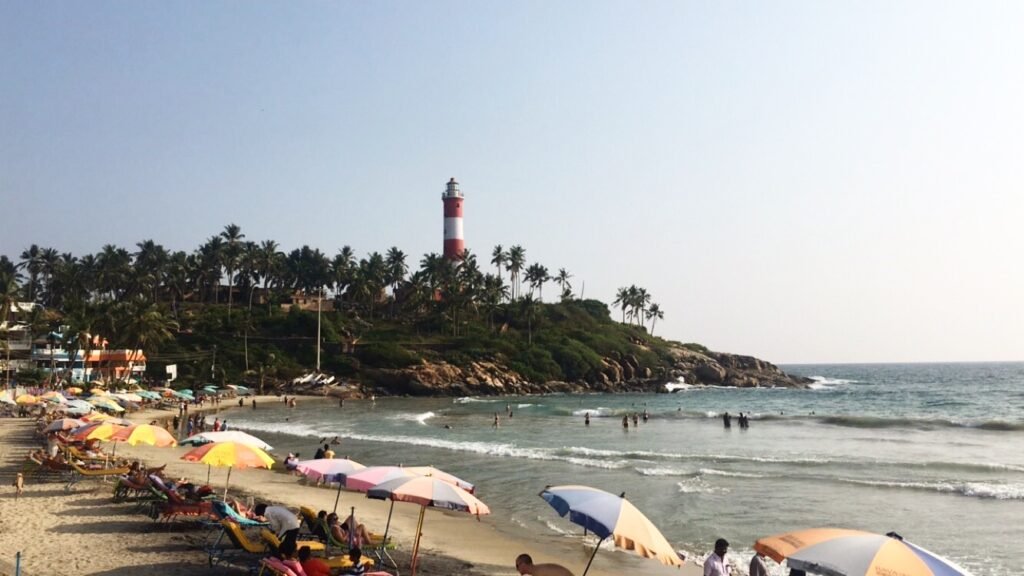
Kovalam and Varkala beaches — Both beaches are in full operation from October through March. Varkala, with its dramatic red cliffs overlooking the sea, is especially beautiful in the morning light. Kovalam’s Lighthouse Beach is great for swimming from November onward when lifeguards are on duty.
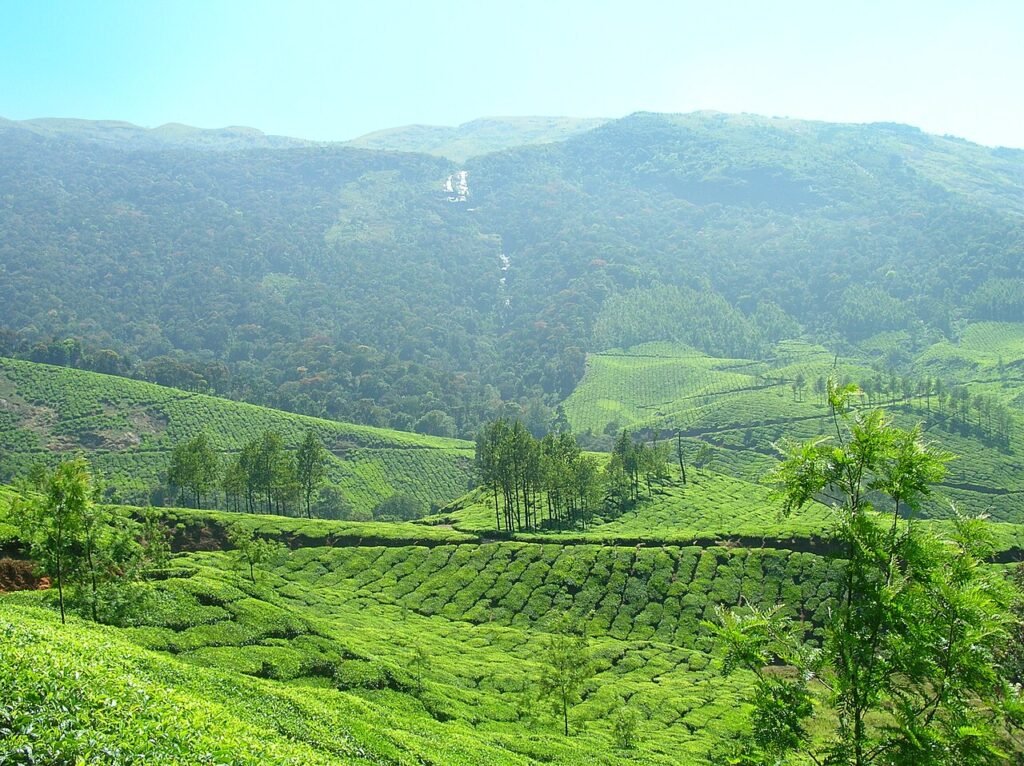
Munnar tea plantations — The rolling hills of Munnar are clearest and most photogenic from November to March. The mist over tea estates in the early morning is a sight you’ll never forget. The Eravikulam National Park (home to the endangered Nilgiri Tahr) is also open during these months.
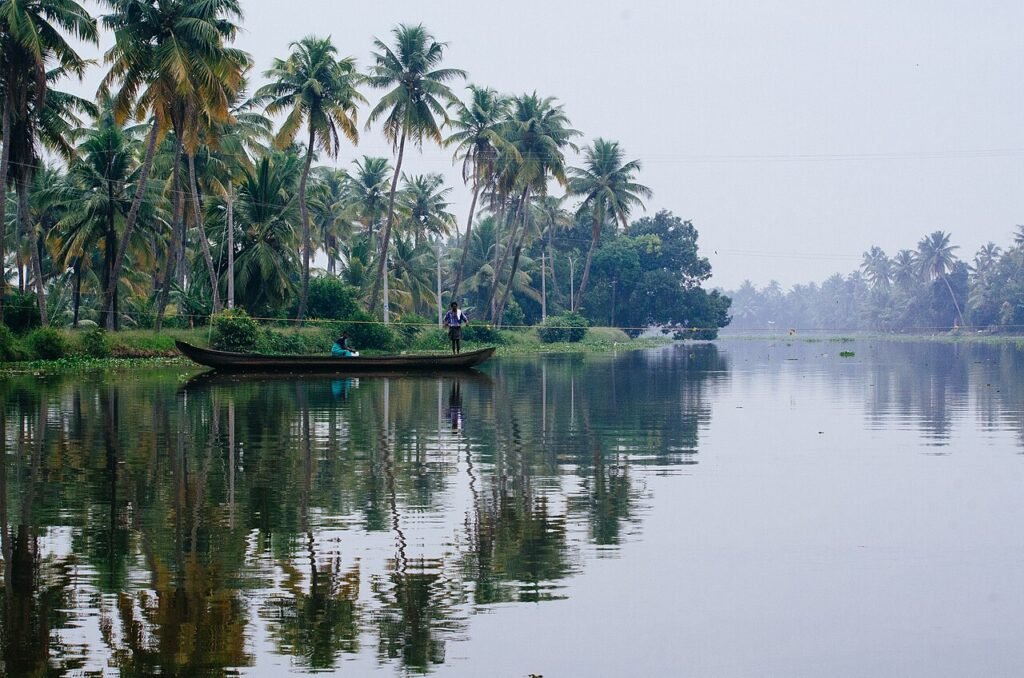
Kumarakom Bird Sanctuary — A paradise for birdwatchers. Migratory birds from Siberia and Central Asia arrive between November and February, making this one of the finest birdwatching windows in South India.
Thekkady and Periyar Wildlife Reserve — Elephants, tigers, leopards, and over 260 bird species live inside Periyar. The dry season makes wildlife more visible as animals gather around water sources.
Key festivals in this season
- Thrissur Pooram (April/May – exact date varies) — One of the grandest temple festivals in India, featuring caparisoned elephants, percussion ensembles, and fireworks. Worth planning around.
- Christmas and New Year in Kerala is magical — Fort Kochi lights up beautifully and is one of the best places in India to ring in the New Year.
Our honest advice for this season
Book your houseboat at least 6–8 weeks in advance if you’re travelling between December 20 and January 10. This is the single most competitive booking window of the year in Kerala. Hotels in Fort Kochi and Munnar fill up equally fast.
Season 2: March to May — The Shoulder Season
The weather starts to warm up significantly from March, and by April and May, temperatures can reach 35°C to 38°C (95°F to 100°F) in the lowlands. Humidity climbs too.
Who should visit in this season
Travellers on a tighter budget who can handle the heat will find this period rewarding. Prices drop noticeably from March onward, crowds thin out, and you’ll often have beaches and houseboat routes almost to yourself.
Hill stations like Munnar, Wayanad, and Thekkady remain perfectly pleasant, temperatures at altitude stay in the 20–25°C range even when the coast is sweltering. If your Kerala trip is centred on these cooler regions, March to May is still a perfectly good time.
The hidden gem of this season: Thrissur Pooram
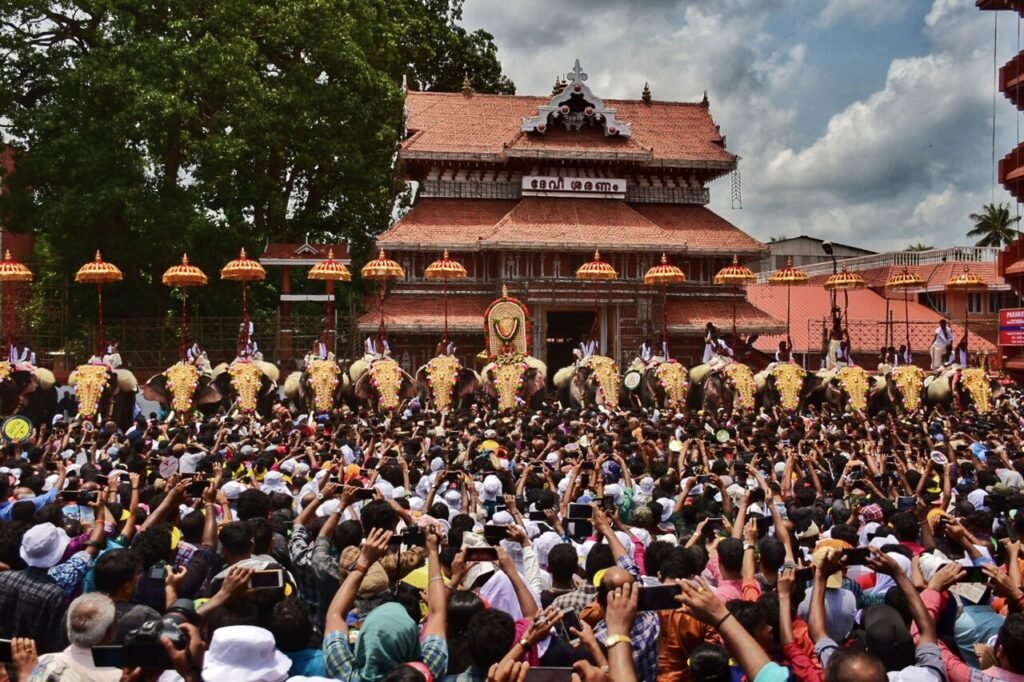
If the festival falls in this window (it usually falls in April or May), this alone makes the trip worthwhile. Thousands of pilgrims and tourists witness the spectacular procession of decorated elephants in front of the Vadakkunnathan temple. It is unlike anything else in India.
Our honest advice for this season
Avoid the coast from late April onward unless you genuinely enjoy extreme heat and humidity. Focus your Kerala trip on the hill districts and plan shorter stays on the backwaters (morning cruises rather than overnight stays).
Season 3: June to September — The Monsoon Season
Here is where most travel guides get it wrong. They list the Kerala monsoon as something to avoid. We disagree and so do serious Ayurveda practitioners the world over.
What the monsoon is actually like
The Southwest Monsoon arrives in Kerala around June 1st each year, earlier than anywhere else in India. Rainfall is heavy, particularly in June and July. The landscape transforms dramatically: waterfalls appear on hillsides that were dry just weeks before, rivers run full, and the tea estates and spice gardens of the highlands turn an almost unreal shade of green.
Beaches are rough and unsuitable for swimming during the monsoon. Houseboat services on the backwaters do operate but the experience is different dramatic grey skies and rain on the water rather than golden sunsets.
Why monsoon is the best time for Ayurveda
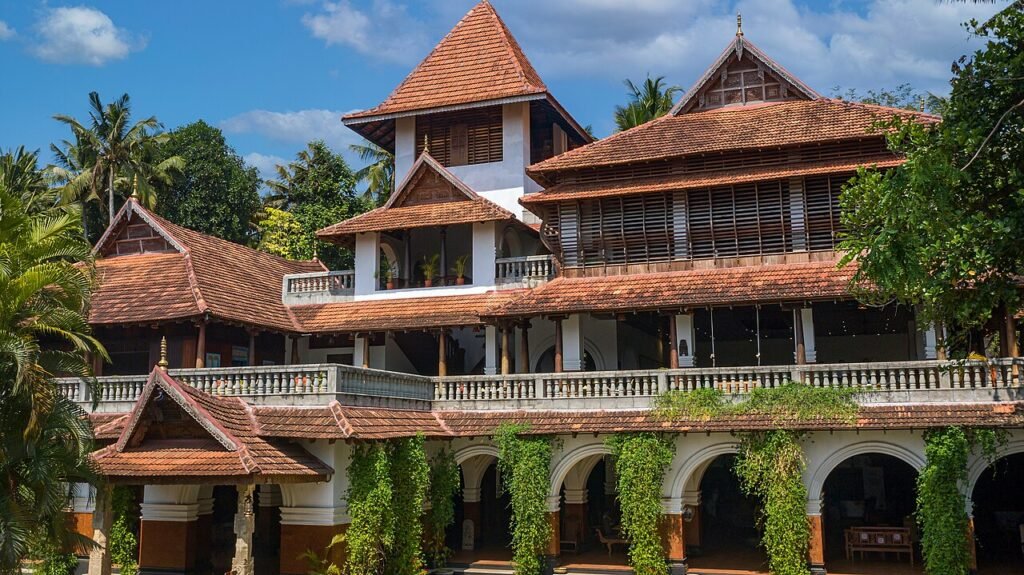
This is the most important thing to understand if wellness is your reason for coming to Kerala.
Traditional Ayurvedic medicine holds that the monsoon season called Karkidakam in the Malayalam calendar, is the optimal time for deep therapeutic treatment. The reasoning is both practical and ancient: the cool, moist air opens the body’s pores, making it more receptive to herbal oils and treatments. Humidity keeps the skin supple. The body is naturally in a state of lower metabolic activity, making cleansing therapies like Panchakarma more effective.
Every serious Ayurveda resort in Kerala from budget retreats to ultra-luxury properties like Somatheeram and Kalari Kovilakom operates at full clinical capacity during the monsoon and often at lower rates than the peak season. If you are coming to Kerala specifically for a 7-, 14-, or 21-day Ayurveda programme, June to September is your season.
What you can still enjoy in the monsoon
- Wayanad and Coorg (just across the Karnataka border) are genuinely spectacular in the rain – misty forests, thundering waterfalls, and almost no tourists.
- Fort Kochi’s museums, galleries, and the famous Chinese fishing nets are accessible rain or shine.
- Spice plantation tours in Thekkady are actually more aromatic and lush during monsoon.
- Kathakali, Mohiniyattam, and Kalaripayattu performances run indoors year-round.
Our honest advice for this season
The monsoon is not for everyone. If you are a first-time visitor to Kerala who wants beaches and backwaters in sunshine, wait for October. But if you have visited before, or if Ayurveda is your primary purpose, the monsoon offers a Kerala that is quieter, cheaper, more medically beneficial, and in its own dramatic way more beautiful.
Kerala by Experience: Our Recommendations
For backwater lovers
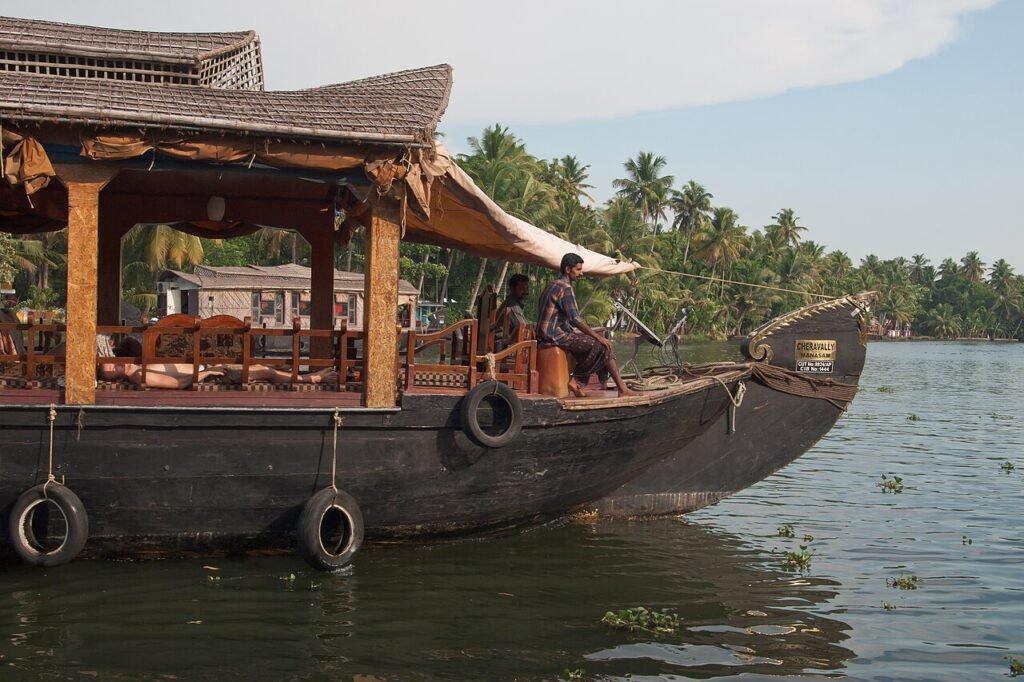
Best time: October to February. Alleppey (Alappuzha) is the hub. Book a premium kettuvallam for an overnight stay, the experience of waking up on a houseboat as mist rises off the canals at 6am is worth every rupee.
For beach lovers
Best time: November to March. Varkala for the cliff experience and yoga scene. Kovalam for convenience and a broader resort strip. Marari Beach for a quiet, unhurried alternative that most tourists don’t know about.
For Ayurveda and wellness
Best time: June to September (monsoon). Book a minimum of 7 nights at a proper Ayurveda resort not a day spa. The difference between a genuine Panchakarma programme and a massage holiday is significant. Ghum India Ghum can help you identify certified centres that meet international standards.
For wildlife and nature
Best time: October to April. Periyar Tiger Reserve in Thekkady, Silent Valley National Park, and the Nilgiri Biosphere Reserve are all best visited in the dry months when vegetation is lower and wildlife is more visible.
For honeymoon couples
Best time: October to February. Combine a houseboat stay on the backwaters, a few nights in a heritage property in Munnar, and a beach resort in Varkala. This classic Kerala honeymoon route is one of the most romantic itineraries in all of Asia.
For budget travellers
Best time: June to early October. Hotel rates can drop by 30–50% during monsoon, and the landscape is breathtakingly green. Pair a budget stay in Wayanad or Munnar with an Ayurveda day programme, and you’ll spend a fraction of peak season prices.
Practical Information for Foreign Tourists | Best Time to Visit Kerala
Getting to Kerala
Kerala has three international airports: Kochi (Cochin International Airport), Thiruvananthapuram (Trivandrum), and Calicut (Kozhikode). Kochi is the most well-connected for international arrivals and is the best entry point for the backwaters and central Kerala. Trivandrum is best if your focus is the beaches of Kovalam or Varkala.
Direct and one-stop flights are available from the UK, UAE, Singapore, and several Gulf countries. Travellers from the US typically connect through Dubai, Doha, or Singapore.
Visa requirements
India offers an e-Visa for tourists from the US, UK, Canada, Australia, most of Europe, and many other countries. The e-Visa is processed online, typically approved within 3–5 business days, and allows stays of up to 90 days. Apply through the official Indian government portal at least 4–7 days before travel.
What to pack
- October to February: light cottons, a light jacket for hill stations (Munnar evenings can dip to 10–12°C)
- June to September: quick-dry fabrics, a good waterproof layer, and waterproof sandals
- For Ayurveda retreats: loose, comfortable clothing; most centres provide treatment garments
Getting around Kerala
Kerala has an excellent road network. For foreign tourists, a private car with a driver is the most comfortable and efficient way to travel between destinations. Ghum India Ghum arranges private vehicle hire for all routes across Kerala, with experienced local drivers who know the roads, including the winding ghat roads up to Munnar and Wayanad.
Frequently Asked Questions | Best Time to Visit Kerala
A: Yes. Kerala consistently ranks as one of the safest states in India for solo female travellers. The state has high literacy rates, a relatively progressive social culture, and a long history of welcoming international tourists. Standard precautions apply, as they would anywhere.
A: Consult your doctor or a travel medicine clinic. Commonly recommended vaccines for India include Hepatitis A, Typhoid, and ensuring your routine vaccinations are current. The monsoon season brings a higher risk of mosquito-borne illness, so malaria prophylaxis and a good repellent are advisable from June to September.
A: A meaningful Kerala trip is at minimum 7 nights. A well-rounded itinerary covering backwaters, one hill station, and a beach resort comfortably fits into 10 nights. For a full Ayurveda programme plus sightseeing, plan for 14 nights.
A: Absolutely. Kerala pairs beautifully with Tamil Nadu (Madurai, Mahabalipuram), Goa, Hampi in Karnataka, or the Golden Triangle (Delhi, Agra, Jaipur) for a longer India circuit. Ghum India Ghum specialises in combining multi-destination India tours into one seamless itinerary.
Ready to Plan Your Kerala Trip?
Whether you’re dreaming of waking up on a houseboat as mist rises over the backwaters, unwinding through a 14-day Ayurveda programme, or watching the sun set over Varkala’s red cliffs, Kerala will give you a trip you’ll spend years trying to describe to people back home.
Ghum India Ghum has been organizing Kerala tours for international travelers for over a decade. We handle every detail, domestic flights/trains, accommodation, houseboats, Ayurveda bookings, private transfers, and local guides, so your only job is to arrive and experience it.
👉 Explore our Kerala Tour Packages
📞 Call or WhatsApp: +91-8860139194
📧 Email: ghumindiaghum@gmail.com
Ghum India Ghum is a government-registered India tour operator and DMC, recognized by the Ministry of Tourism, India. TripAdvisor Travellers’ Choice winner 2023, 2024 & 2025.
