
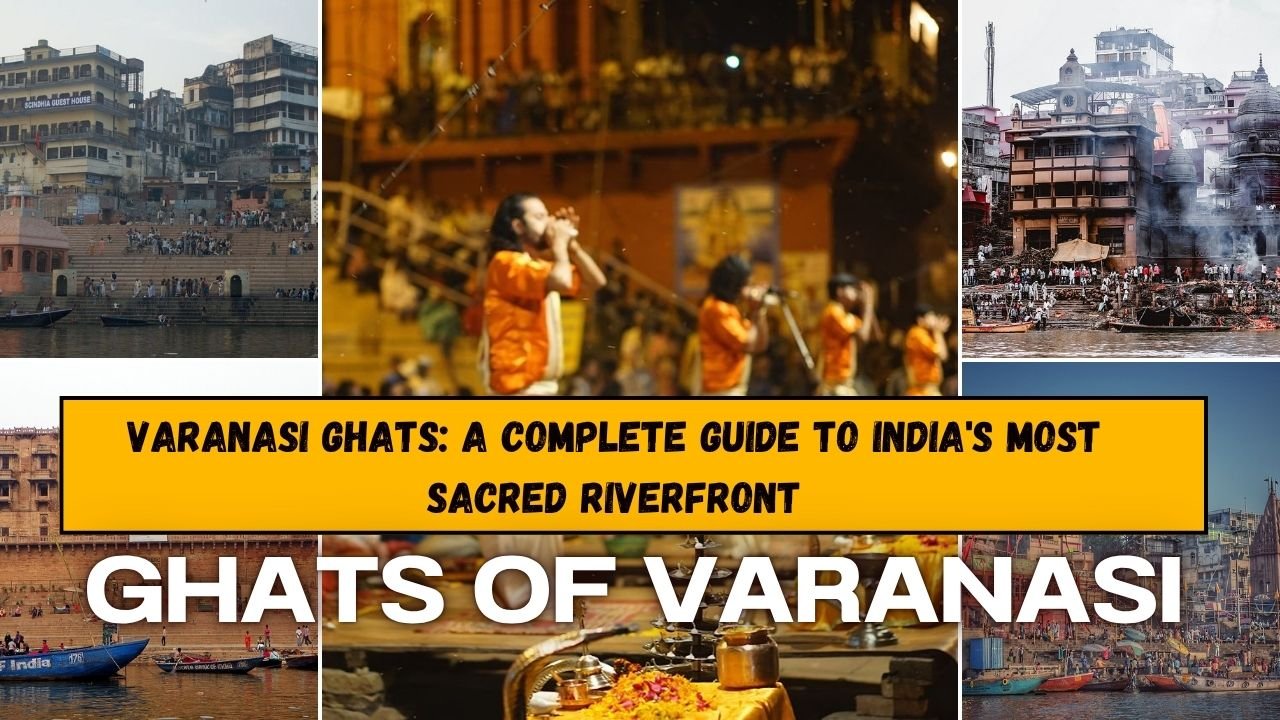

Quick Answer: Varanasi has 88 ghats stretching along the western bank of the River Ganga. The top 10 ghats to visit are Dashashwamedh, Manikarnika, Assi, Scindia, Harishchandra, Kedar, Tulsi, Panchganga, Man Mandir, and Raj Ghat. Each offers a unique window into India’s oldest living city, from the electric Ganga Aarti to the serene sunrise boat rides.
Introduction: Why the Ghats of Varanasi Are Unlike Anywhere Else on Earth
There are places in the world that stop you mid-breath. Varanasi is one of them.
Standing on the steps of a ghat a riverside staircase descending into the sacred River Ganga, with the sound of temple bells, the scent of incense, and the shimmer of oil lamps on water, you understand in an instant why this city has drawn pilgrims, poets, philosophers, and travellers for over 3,000 years.
Varanasi (also known as Kashi or Banaras) is considered the spiritual capital of India. It is one of the oldest continuously inhabited cities in the world, older than Rome, older than Athens. For Hindus, dying here is believed to grant moksha (liberation from the cycle of rebirth). For everyone else, Indian and international traveller alike, it is simply one of the most profound experiences a journey through India can offer.
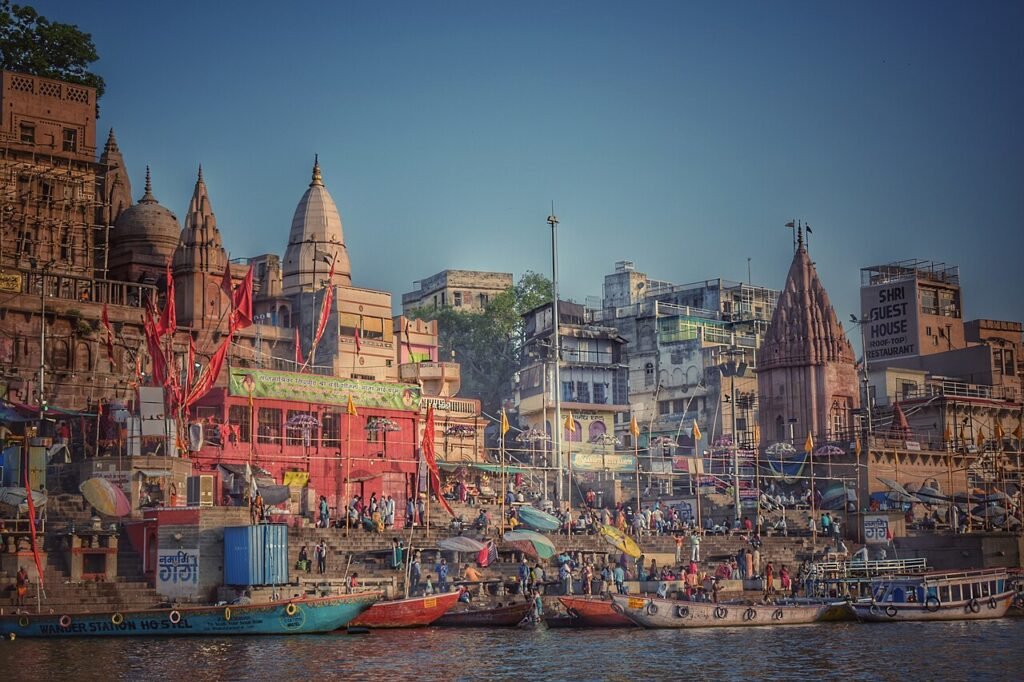
At the heart of Varanasi’s identity are its 88 ghats, each with its own history, mythology, and atmosphere. This Varanasi ghats guide covers the 10 you absolutely must visit, how to explore them, and how to build the perfect Varanasi itinerary around them, whether you have 2 days or a full week.
Planning a trip to Varanasi? Ghum India Ghum, one of India’s leading tour operators and a trusted DMC for India, has been crafting personalised Varanasi tours for travellers from the US, Europe, and across India for years. Everything in this guide is drawn from on-the-ground experience.
What Are the Ghats of Varanasi? (A Quick Primer)
The word ghat refers to a series of steps leading down to a body of water. In Varanasi, the ghats line the crescent-shaped western bank of the River Ganga for approximately 6.5 kilometres. They serve multiple purposes simultaneously: bathing sites for pilgrims, venues for religious rituals, cremation grounds, laundry areas, and social gathering spaces.
Varanasi counts 88 ghats in total, though traditional texts often cite the number as 84. Maratha and Rajput rulers built or renovated most of them during the 18th century. Some are privately owned by maharajas; others are managed by the Varanasi Municipal Corporation or religious trusts.
Walking the ghats from south to north from Assi Ghat to Raj Ghat, takes roughly 2 to 3 hours at a relaxed pace. Most visitors choose to do this by boat at sunrise, one of the most iconic experiences in all of India.
Top 10 Ghats in Varanasi: Ranked & Explained
1. Dashashwamedh Ghat — The Heart of Varanasi
Best for: Ganga Aarti, first-time visitors, photography Best time to visit: Sunrise (6–7 AM) and evening Aarti (6:30–7:30 PM)
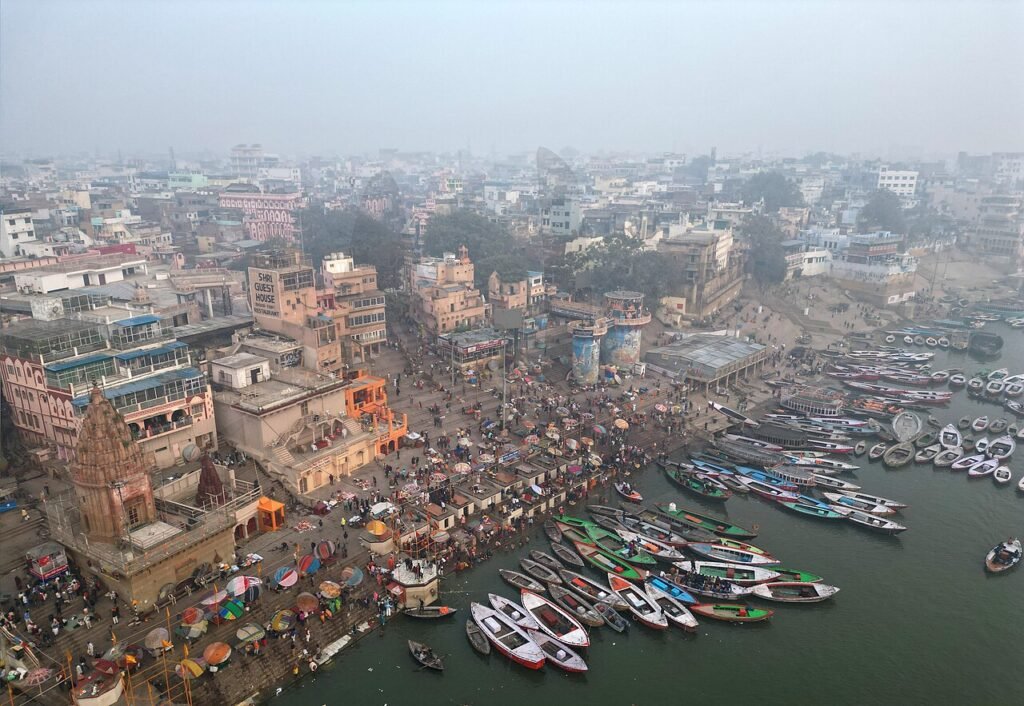
If you visit only one ghat in Varanasi, make it Dashashwamedh. This is the main ghat of the city and arguably the most famous ghat on the Ganga. Its name translates to “the ghat where Brahma sacrificed ten horses,” and it has been a site of worship for millennia.
Every evening without fail, Dashashwamedh hosts the Ganga Aarti a ceremonial fire offering to the river performed by a group of young priests dressed in saffron robes. They move in synchrony, swinging large brass lamps, ringing bells, and chanting mantras as incense fills the air and flower offerings drift downstream. It is theatrical, deeply moving, and spiritually charged.
The aarti draws hundreds of spectators every night, both locals and international tourists. Arrive at least 30 to 45 minutes early to secure a spot on the steps or book a boat on the river for an elevated view.
Photography tip: Shoot from a boat for a wide-angle view of the entire ghat lit up at dusk. A 50mm or 85mm lens captures the priests in detail.
Nearby ghats: Rajendra Prasad Ghat, Prayag Ghat, Sheetla Ghat
Ghum India Ghum Expert Tip: Our guides always include both a sunrise boat ride passing Dashashwamedh and the evening Aarti in our Varanasi itineraries. These are non-negotiable experiences.
2. Manikarnika Ghat — The Sacred Cremation Ghat
Best for: Understanding Hindu beliefs about death and moksha Best time to visit: Any time of day (cremations occur 24 hours a day)
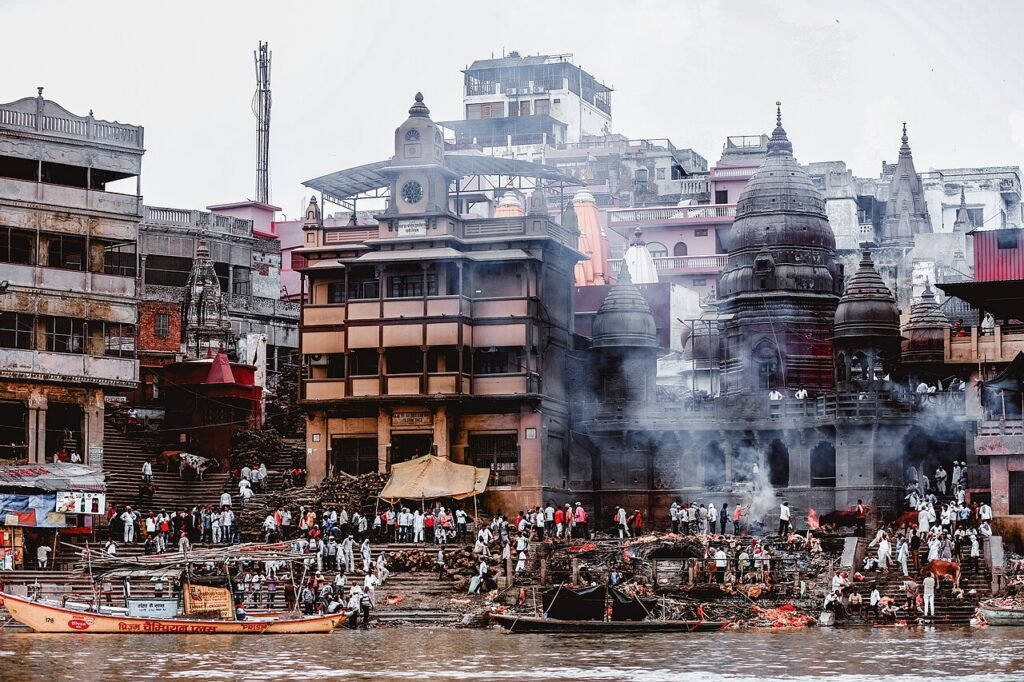
Manikarnika is Varanasi’s primary shamshan ghat a cremation ground. Fires have been burning here continuously for centuries, perhaps millennia. According to Hindu mythology, this is the spot where Sati’s earring (manikarnika) fell as Lord Shiva carried her body across the universe in grief.
Dying in Varanasi, and having one’s body cremated at Manikarnika, is considered the greatest blessing for a Hindu, an assured passage to moksha. Around 80 to 100 cremations take place here every day.
For most Western visitors, Manikarnika is confronting at first. The smoke, the pyres, the matter-of-fact nature of death being conducted in public, it challenges every cultural norm about how death should be handled. And yet, most people leave feeling strangely peaceful. This ghat has a way of recalibrating your perspective on life.
Important etiquette: Do not take photographs at Manikarnika. This is non-negotiable and deeply disrespectful to grieving families. Do not accept unsolicited “guide” services from strangers near this ghat a common tourist scam. Your Ghum India Ghum guide will walk you through the history and customs respectfully.
Ghum India Ghum Expert Tip: We always brief guests before approaching Manikarnika, on the history, the mythology, and the etiquette. This context transforms the visit from unsettling to genuinely meaningful.
3. Assi Ghat — The Traveller’s Ghat
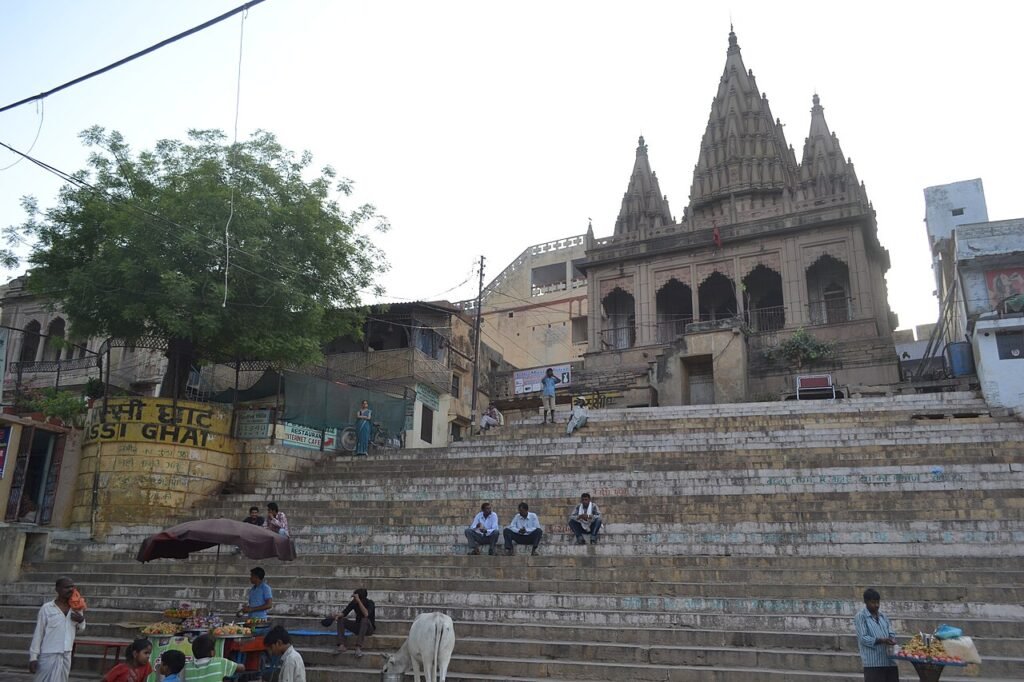
Best for: Sunrise boat rides, yoga, laid-back cafes, longer stays Best time to visit: Early morning (5:30–8 AM)
Located at the southern end of the ghat stretch, where the Assi stream meets the Ganga, Assi Ghat is the most relaxed and cosmopolitan of Varanasi’s ghats. It has long been the hub for foreign tourists, university students, artists, and sadhus (wandering ascetics) alike.
The morning scene at Assi is one of the most photographable in India: older people performing sun salutations, priests conducting puja ceremonies, flower vendors arranging marigold garlands, and boats silently departing into the golden mist of the river. The famous sunrise boat ride from Varanasi typically departs from or near Assi Ghat.
Several cafes and guesthouses overlooking the river cluster around Assi, making it the ideal neighbourhood base for travellers who want to be close to the action without the density of the older city lanes.
Don’t miss: The morning aarti at Assi Ghat, which, while smaller than Dashashwamedh’s evening ceremony, is more intimate and atmospheric.
Ghum India Ghum Expert Tip: We recommend guests stay near Assi Ghat on their first Varanasi trip. It balances accessibility with authenticity and the sunrise from here is extraordinary.
4. Scindia Ghat — For Photographers and History Lovers
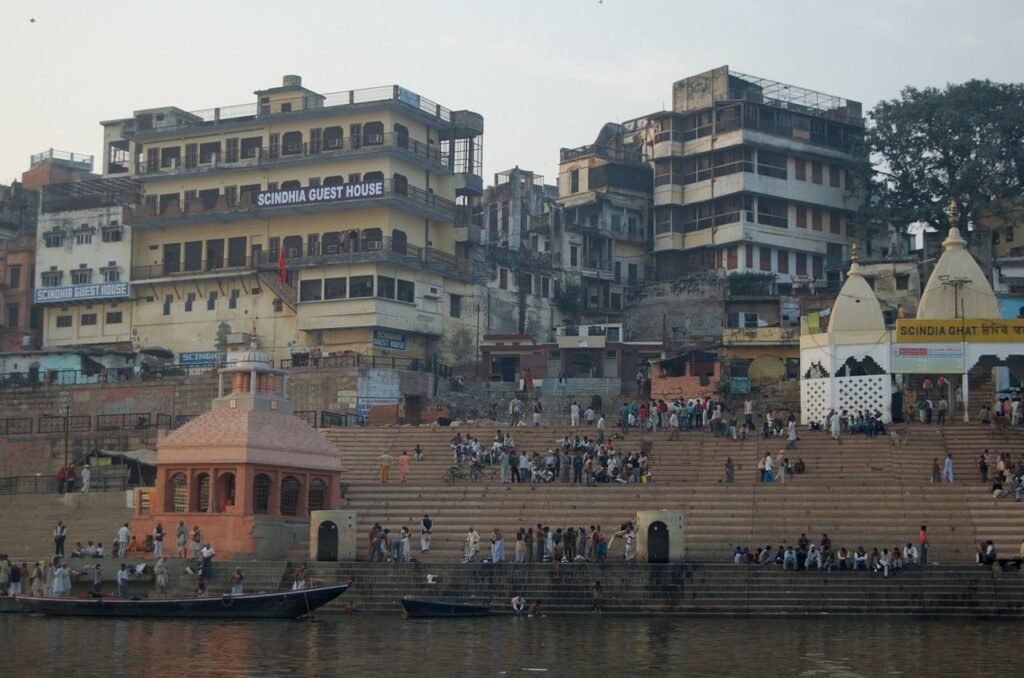
Best for: Architecture photography, quiet exploration Best time to visit: Morning light (7–9 AM)
Scindia Ghat is famous for a striking visual: a large Shiva temple that partially sank into the Ganga under the weight of its own construction in the 19th century, and now stands at an angle, half-submerged. It is one of the most photographed scenes in Varanasi.
Built by the Scindia royal family of Gwalior, this ghat is far quieter than Dashashwamedh and offers a glimpse of old Varanasi without the crowds. The surrounding lanes are full of crumbling havelis (traditional mansions), small shrines, and neighbourhood life.
Photography tip: The golden hour light at Scindia Ghat reflects beautifully off the tilted temple and the river. Wide-angle shots from a low vantage point work particularly well here.
5. Harishchandra Ghat — The Ancient Cremation Ground
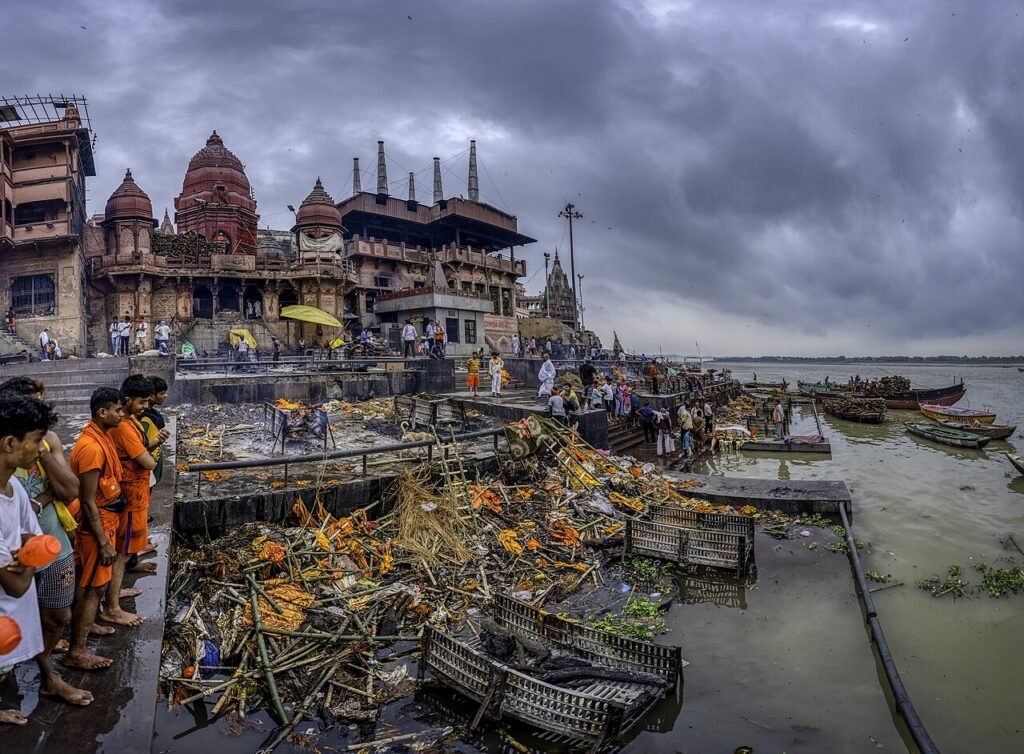
Best for: History, mythology, quiet reflection Best time to visit: Early morning or late afternoon
Varanasi’s second burning ghat, Harishchandra, is named after the legendary King Harishchandra from the Ramayana, a monarch renowned for his absolute truthfulness and integrity, even in the face of ruin. According to legend, he worked here as a servant at the cremation ground after losing his kingdom.
While smaller and quieter than Manikarnika, Harishchandra Ghat carries an equally powerful spiritual charge. It is also notable for having one of the world’s first electric crematoriums, built in the 1980s, though traditional wood-pyre cremations remain far more common here.
Ghum India Ghum Expert Tip: We often include Harishchandra in afternoon itineraries when Manikarnika is very crowded, allowing guests a more personal encounter with Varanasi’s relationship with mortality.
6. Kedar Ghat — Shiva’s Southern Outpost
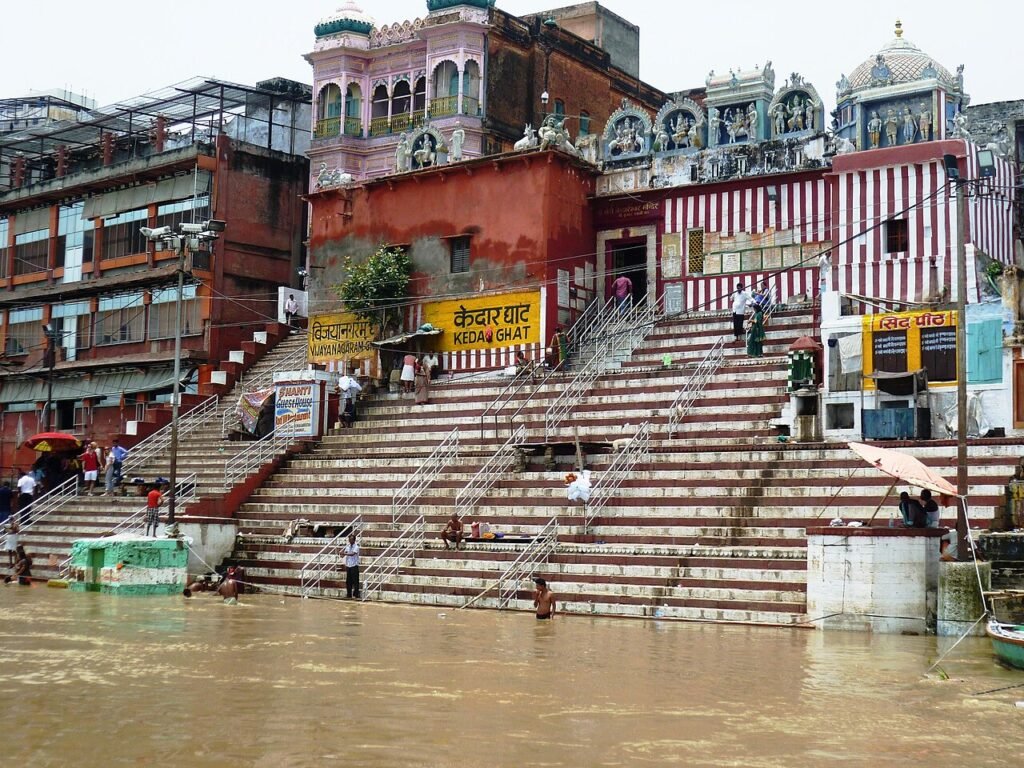
Best for: Pilgrimage, South Indian visitors, vivid colours Best time to visit: Early morning puja time (6–8 AM)
Kedar Ghat is one of the most brightly coloured ghats on the Varanasi riverfront, painted in striking red and white stripes. It is closely associated with Lord Shiva and is particularly revered by pilgrims from South India, who consider it their sacred territory within Varanasi.
The Kedareshwara Temple at the top of this ghat is one of the 12 important Shiva shrines in Varanasi and draws a constant stream of worshippers. The ghat steps are usually populated by priests conducting one-to-one puja ceremonies for devotees.
The contrast of the vivid painted staircase against the muddy gold of the Ganga makes this one of the most visually distinctive ghats on the stretch.
7. Tulsi Ghat — Where Literature Meets the River
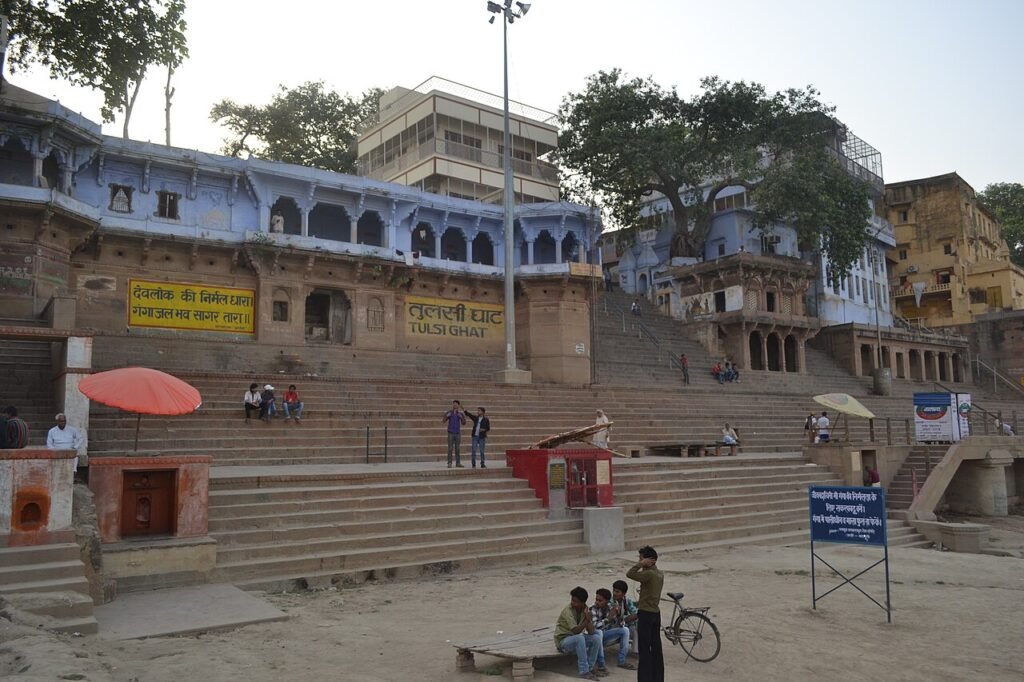
Best for: Cultural history, literature enthusiasts, quiet walks Best time to visit: Morning or late afternoon
Tulsi Ghat is named after Tulsidas, the 16th-century poet-saint who composed the Ramcharitmanas, the Hindi retelling of the Ramayana, while living in Varanasi. It is a deeply literary ghat, associated with the devotional poetry tradition that shaped popular Hinduism across North India.
The ghat is quieter and less commercialised than its famous neighbours, making it a pleasant escape. The narrow lanes behind it lead into one of the more authentic residential pockets of old Varanasi, where silk weavers, temple musicians, and Brahmin families have lived for generations.
Don’t miss: The annual Nagnathaiya festival held here during October-November, where scenes from the Ramayana are enacted on the river.
8. Panchganga Ghat — Where Five Rivers Converge
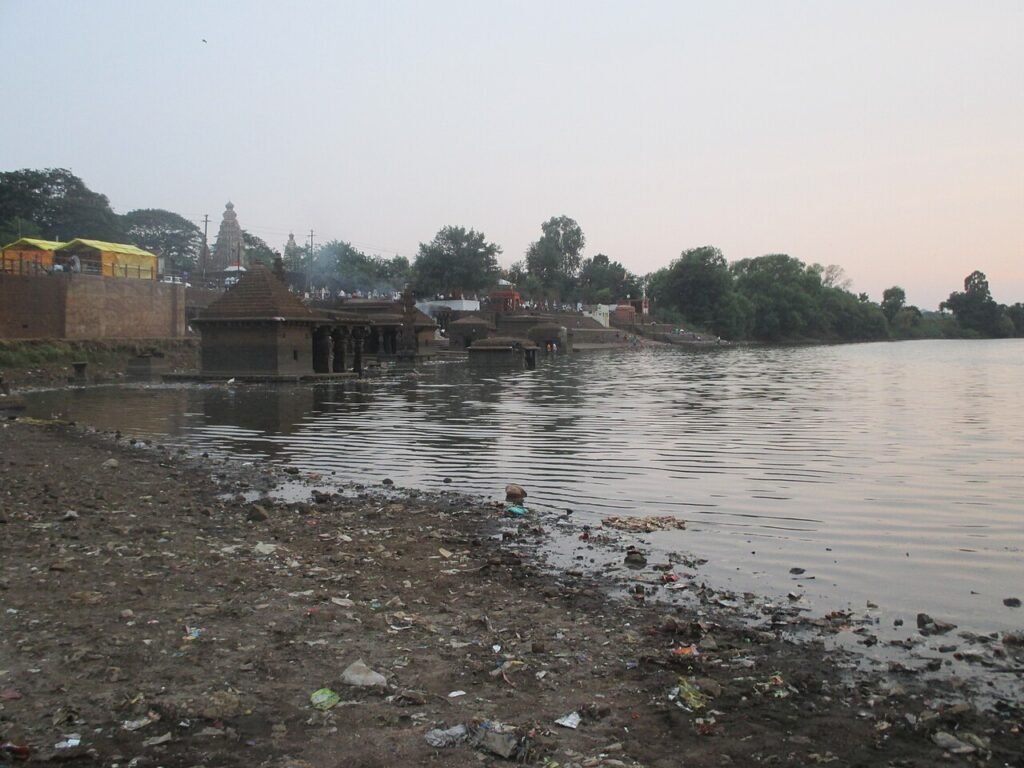
Best for: Spiritual significance, lesser-known exploration Best time to visit: Early morning
According to Hindu scripture, five rivers, the Ganga, Yamuna, Saraswati, Kirana, and Dhutpapa, meet at Panchganga Ghat. Whether mythological or geographical, this convergence gives the ghat enormous ritual significance. Bathing here is believed to have the merit of bathing in all five sacred rivers simultaneously.
Panchganga Ghat is dominated by the imposing Alamgir Mosque (also called Aurangzeb’s Mosque), built by the Mughal Emperor Aurangzeb on the ruins of a Hindu temple. The juxtaposition of this grand mosque above the sacred ghat makes for one of Varanasi’s most photographically powerful vistas.
Ghum India Ghum Expert Tip: This ghat rarely appears in mainstream tourist itineraries, but our guests consistently find it one of the most evocative stops on the riverfront.
9. Man Mandir Ghat — Astronomy on the River
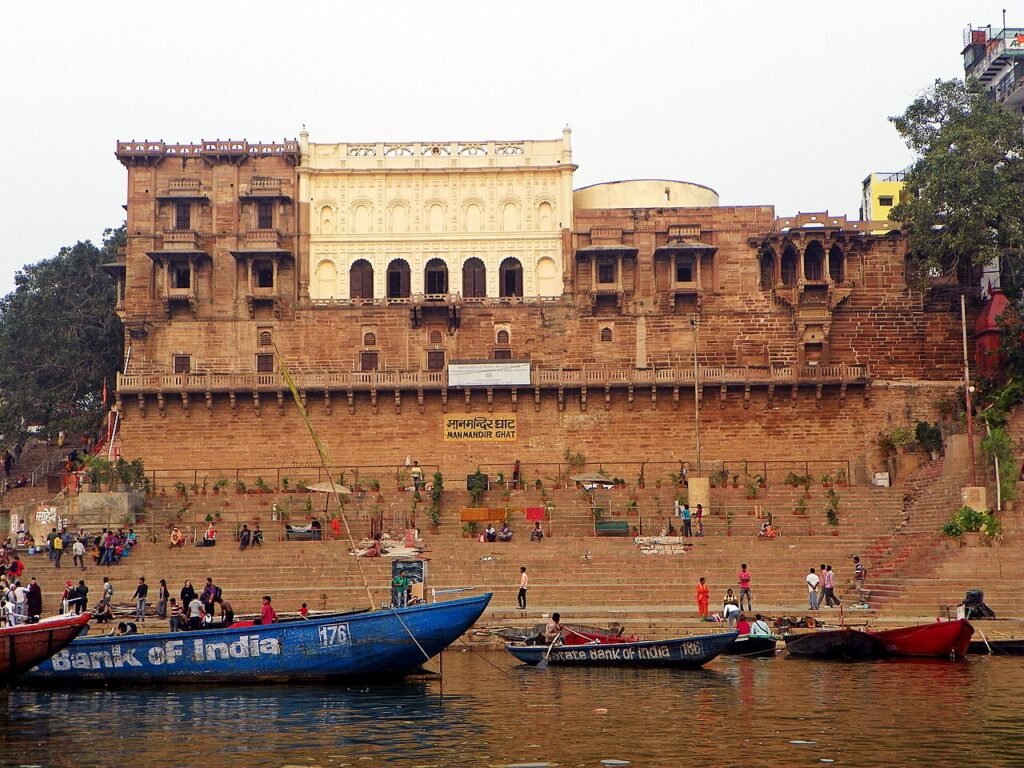
Best for: Architecture, history, science enthusiasts Best time to visit: Morning
One unexpected feature sets Man Mandir Ghat apart from all others: Maharaja Jai Singh II of Jaipur built the Jantar Mantar here in the early 18th century, making it home to Varanasi’s own astronomical observatory. Jai Singh also built the famous Jantar Mantar observatories in Jaipur and Delhi.
The instruments here were used to measure the movement of celestial bodies with remarkable precision, centuries before modern astronomical tools. It is a fascinating reminder that India’s spiritual heritage and its scientific tradition were never mutually exclusive.
The ghat itself was built by Man Singh of Amber in 1600, making it one of the oldest structured ghats on the riverfront.
10. Raj Ghat — The Gateway to Varanasi
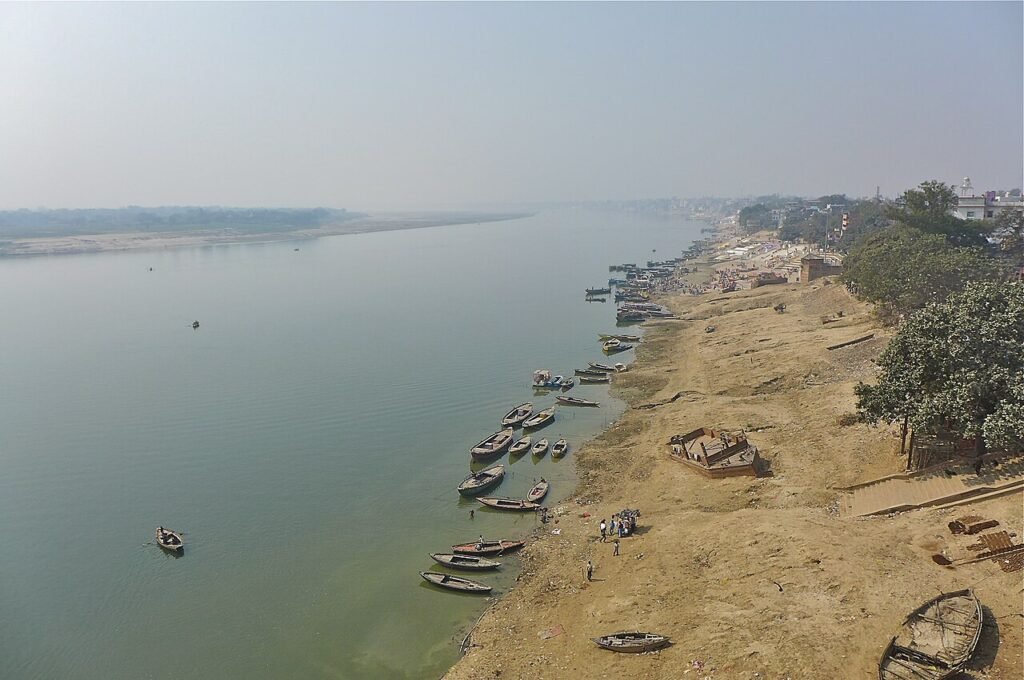
Best for: Arrival views, historical context, orientation Best time to visit: Sunrise, or as an entry point
Raj Ghat sits at the northern end of the ghat stretch, near the road and rail bridge that connects Varanasi to the rest of India. Historically, it was the principal landing point for travellers arriving in the city by boat, the gateway to Kashi.
While less dramatic than the central ghats, Raj Ghat is rich in historical layers. Archaeological excavations here have uncovered artefacts dating back to the 8th century BCE, confirming Varanasi’s claim to be one of the world’s oldest living cities.
It is a good starting point if you want to walk the ghats from north to south, with the journey culminating at the more vibrant ghats near Dashashwamedh and Assi.
Varanasi Ghats Map: How to Navigate the Riverfront
The 10 ghats above are spread across the full 6.5 km stretch of the Varanasi riverfront. Here is the order from south to north:
Assi Ghat → Tulsi Ghat → Harishchandra Ghat → Kedar Ghat → Man Mandir Ghat → Dashashwamedh Ghat → Scindia Ghat → Panchganga Ghat → Manikarnika Ghat → Raj Ghat
The best way to experience the ghats is by a combination of:
- Sunrise boat ride (90 minutes, starting from Assi or Dashashwamedh, drifting the full stretch)
- Morning walk (after the boat ride, explore 3–4 ghats on foot)
- Evening Ganga Aarti at Dashashwamedh
How to Experience the Ghats: Practical Guide
Sunrise Boat Ride on the Ganga
The sunrise boat ride is the single most important experience in Varanasi. As the city wakes up along the ghats — pilgrims bathing, priests chanting, dogs stretching, smoke rising from Manikarnika — the view from the water is unlike anything else on earth.
- Duration: 60–90 minutes
- Departure point: Assi Ghat or Dashashwamedh Ghat
- Cost: ₹300–₹600 per person for a shared boat ($4–8 USD), ₹1,200–₹2,000 for a private boat ($15–25 USD)
- Best time: 5:30–6:00 AM (30 minutes before sunrise)
Ghum India Ghum arranges private sunrise boat rides with experienced local boatmen and a knowledgeable guide as part of all Varanasi packages.
Ganga Aarti at Dashashwamedh Ghat
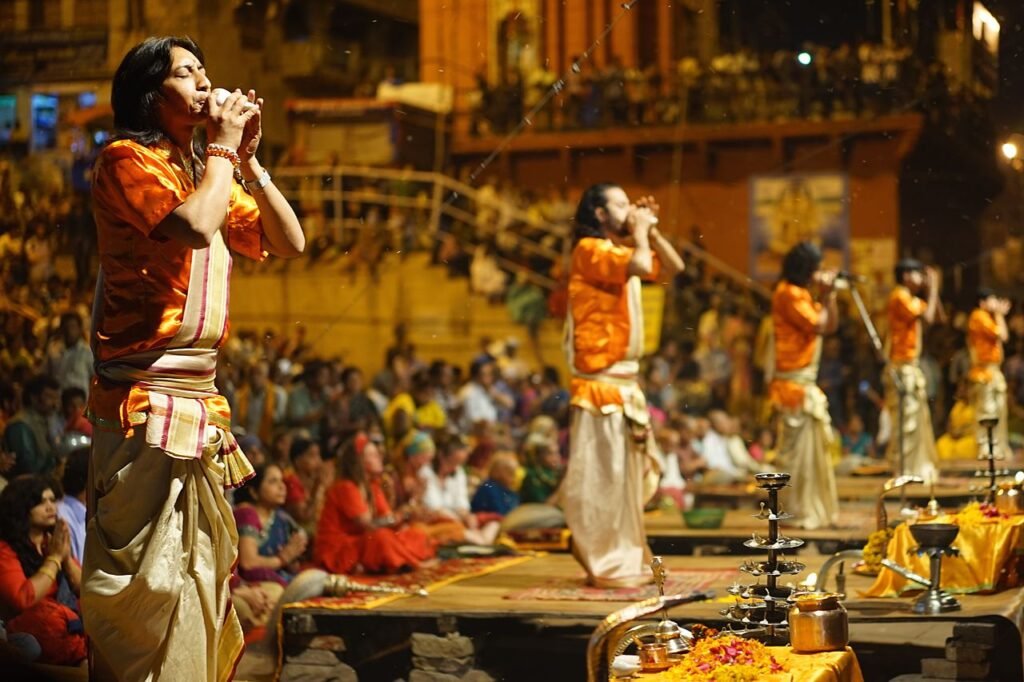
- Time: Every evening, approximately 6:30–7:30 PM (varies by season)
- Viewing options: Steps of the ghat (free, but arrive 45 minutes early) or by boat on the river (arranged in advance)
- Duration: Approximately 45–60 minutes
- What to wear: Modest clothing recommended; remove shoes when stepping onto sanctified areas
Walking the Ghats
The full ghat walk (north to south or reverse) takes 2–3 hours. Wear comfortable walking shoes, the steps are uneven and sometimes slippery. Expect to be approached by guides, boat operators, and vendors. A pre-arranged guide from Ghum India Ghum eliminates this friction entirely and adds significant context to what you’re seeing.
Varanasi Itinerary: 2-Day & 3-Day Plans
2-Day Varanasi Itinerary
Day 1
- 5:30 AM — Sunrise boat ride from Assi Ghat (Assi → Raj Ghat)
- 7:30 AM — Breakfast at a riverfront café near Assi Ghat
- 9:00 AM — Walking tour: Dashashwamedh Ghat, Scindia Ghat, Manikarnika Ghat
- 12:00 PM — Lunch; explore the lanes of old Varanasi (Vishwanath Gali)
- 3:00 PM — Kashi Vishwanath Temple visit
- 6:30 PM — Evening Ganga Aarti at Dashashwamedh Ghat
Day 2
- 6:00 AM — Morning puja walk: Kedar Ghat, Tulsi Ghat, Harishchandra Ghat
- 9:00 AM — Breakfast; Banaras silk shopping in Varanasi’s weaving districts
- 11:00 AM — Day trip to Sarnath (25 km from Varanasi — where the Buddha gave his first sermon)
- 6:00 PM — Boat ride at golden hour; departure evening or next morning
3-Day Varanasi Itinerary
Follow the 2-day plan above, and add:
Day 3
- 6:00 AM — Second sunrise boat ride (experiencing the ghats in different morning light)
- 9:00 AM — Man Mandir Ghat and Jantar Mantar observatory
- 11:00 AM — Panchganga Ghat and Raj Ghat
- 2:00 PM — Classical music concert (Varanasi is a hub of Hindustani classical music)
- 5:30 PM — Final walk through the ghats at golden hour
- 7:00 PM — Farewell dinner at a heritage haveli restaurant
Ghum India Ghum designs fully customised Varanasi itineraries for individuals, families, and groups, with private guides, hand-picked accommodation, and seamless logistics. Get in touch with us to plan your trip.
Best Time to Visit Varanasi Ghats
| Season | Months | Experience |
|---|---|---|
| Best | October – March | Cool and dry; best for ghats walking and boat rides; Diwali (Oct/Nov) and Dev Deepawali (Nov) are spectacular |
| Good | July – September | Monsoon season; ghats can flood but the atmosphere is moody and crowds are thinner |
| Avoid | April – June | Extreme heat (40–45°C / 104–113°F); early morning visits only |
Varanasi celebrates Dev Deepawali on the full moon night of the Kartik month (November), lighting over a million earthen lamps across 84 ghats simultaneously in its most spectacular festival. Booking well in advance is essential for this period. Ghum India Ghum can arrange special Dev Deepawali tour packages for this unmissable event.
Is Varanasi Safe for Foreign Tourists?
Yes, Varanasi is safe for foreign tourists, including solo travelers and women, when approached with standard urban travel sense.
A few practical points for international visitors:
- The alleys of old Varanasi (known as gallis) are narrow and easy to get turned around in. A guide for the first day is strongly recommended.
- Scams to be aware of: “Free” silk factory tours, unsolicited boat operators, and “holy men” who offer blessings and then demand large payments. Booking through a reputable operator like Ghum India Ghum pre-empts most of these.
- Medical precautions: Drink only bottled water; avoid raw street food on your first day.
- Photography: Always ask permission before photographing people at the ghats, especially at Manikarnika. Most people are happy to be photographed; a simple gesture of asking goes a long way.
Practical Information for Visiting the Varanasi Ghats
Getting to Varanasi
- By Air: Lal Bahadur Shastri International Airport (VNS), approximately 26 km from the city. Direct flights from Delhi, Mumbai, Kolkata, and Bangalore. Some international connections via Delhi.
- By Train: Varanasi Junction (BSB) is well-connected to Delhi (8–10 hours), Mumbai (18–24 hours), Kolkata (12 hours), and Jaipur.
- By Road: 3 hours from Prayagraj (Allahabad); 7 hours from Lucknow.
Getting Around the Ghats
- Boat: The most atmospheric and practical way to see multiple ghats
- On foot: The ghat walk is entirely pedestrian and safe
- Auto-rickshaw / e-rickshaw: For getting from your hotel to the ghats; the old city lanes do not permit cars
Accommodation
Varanasi offers everything from international hotel chains to heritage havelis and guesthouse right on the ghats. Ghum India Ghum recommends and books accommodation to suit every budget and preference, with a preference for properties that place you within walking distance of the riverfront.
India Visa Information for US and European Travellers
Citizens of the United States, United Kingdom, and most European countries can apply for the India e-Visa online at least 4 days before travel. The e-Visa is available as a 30-day single-entry, 1-year multiple-entry, or 5-year multiple-entry option.
Ghum India Ghum’s travel team assists all international guests with visa guidance as part of our pre-trip support.
Combining Varanasi with Other India Destinations
Varanasi is rarely visited in isolation. Here are the most popular combinations that Ghum India Ghum crafts into seamless tours:
Varanasi + Golden Triangle (Delhi – Agra – Jaipur) The classic India circuit, extended with a 2-3 night Varanasi leg at the end. 10–14 days total.
Varanasi + Sarnath + Bodh Gaya (Buddhist Circuit) Ideal for travellers interested in Buddhist history. 5–7 days.
Varanasi + Prayagraj (Allahabad) Home of the Kumbh Mela (the world’s largest human gathering). A powerful spiritual combination. 4–5 days.
Varanasi + Orchha + Khajuraho A heritage and architecture trail through Central India. 7–10 days.
Varanasi + Nepal (Kathmandu / Lumbini) A cross-border spiritual journey. Easy overland or short-haul flight connection. 10–14 days.
Cultural Etiquette at the Varanasi Ghats
Varanasi is an active place of worship, not a museum. A few guidelines to ensure your visit is respectful:
- Remove shoes before entering any temple or stepping onto sanctified ghat areas
- Dress modestly — cover shoulders and knees; women may wish to carry a scarf or dupatta
- Do not photograph at Manikarnika or Harishchandra ghats — cremations are taking place and families are grieving
- Avoid alcohol and non-vegetarian food in the old city lanes near the temples
- Keep your hands away from ritual offerings unless someone specifically invites you to participate.
- Bargain politely for boat rides and goods — but know the fair price (ask your guide)
Why Book Your Varanasi Trip with Ghum India Ghum?
Ghum India Ghum is one of India’s best tour operators and a trusted Destination Management Company (DMC) for India, with deep expertise in crafting authentic, personalised journeys for travellers from the United States, Europe, the UK, and across India.
Here is what sets us apart for Varanasi tours:
- Our local, expert guides bring deep training in history, religion, and cultural sensitivity to every Varanasi tour.
- Private sunrise boat rides — we work with trusted local boatmen who know the river intimately
- Carefully curated accommodation — from heritage guesthouses on the ghats to premium hotels
- Seamless logistics — airport transfers, train tickets, inter-city connections, all handled
- Personalised itineraries — whether you have 2 days or 10, whether you are a first-timer or a returning traveller seeking depth
- Responsible tourism — we work with local communities, employ local guides, and prioritise sustainable practices
Whether you are a solo traveller from New York, a family from London, or a group from Mumbai planning a spiritual journey, Ghum India Ghum will make your Varanasi experience unforgettable.
Get a Free Custom Varanasi Itinerary from Ghum India Ghum
Frequently Asked Questions About the Varanasi Ghats
A: Dashashwamedh Ghat is the most famous ghat in Varanasi. It is the main ghat of the city and the venue for the nightly Ganga Aarti ceremony, a spectacular fire ritual performed by priests on the riverbank that draws hundreds of visitors every evening.
A: There are 88 ghats in Varanasi, stretching approximately 6.5 kilometers along the western bank of the River Ganga. Some traditional texts cite 84 ghats, as the number holds religious significance in Hinduism.
A: The best time to visit the Varanasi ghats is between October and March, when the weather is cool and pleasant. Dev Deepawali in November steals the show, on the full moon night, oil lamps illuminate all 84 ghats simultaneously.
A: Lal Bahadur Shastri International Airport is approximately 26 km from the ghats. A pre-booked taxi from your hotel or tour operator takes 45 minutes to 1 hour. Ghum India Ghum arranges all airport transfers as part of our Varanasi packages.
A: Solo female travelers can explore Varanasi safely by taking standard precautions, staying in established tourist areas, using pre-booked transport, and travelling with a guide for ghat walks. The city welcomes significant international tourist traffic and has extensive experience hosting foreign visitors.
Final Thoughts: The Ghats of Varanasi Will Change You
Varanasi is not a comfortable city. It crowds you, overwhelms you with noise, and forces direct confrontation with questions that most modern life is designed to help you avoid: what is sacred? what is life? what is death?
The ghats are where these questions play out, live, every single day, in the face of a bather at sunrise, in the smoke rising from Manikarnika, in the light of a thousand lamps floating downstream at Aarti.
Varanasi moves you whether you are religious or not. You only need to be present.
Ghum India Ghum will make sure you experience every layer of it, not as a tourist, but as a traveler who genuinely understands what they are seeing.
Ready to plan your Varanasi journey? Contact Ghum India Ghum today
Ghum India Ghum is a premier tour operator and DMC for India, specialising in personalised travel experiences for visitors from the US, Europe, the UK, and India. We are your trusted partner for Varanasi tours, Golden Triangle packages, spiritual circuits, luxury India travel, and everything in between.
