
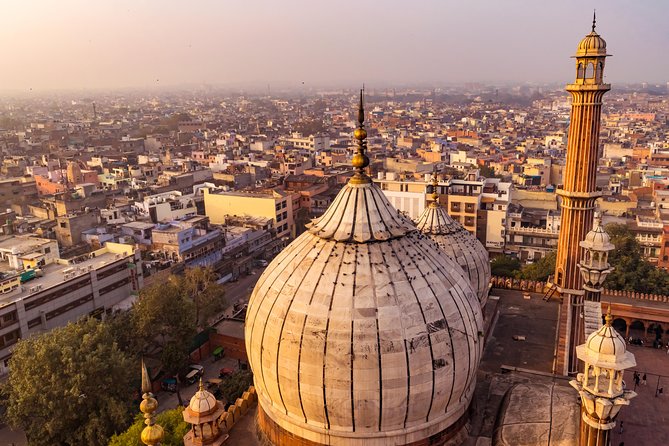

Beginning on March 25, Delhi Tourism launched heritage walks to highlight the allure of the city’s major centres and to give in-depth knowledge about all the monuments and their associated histories. Six circuits have been chosen for the aforementioned history walks, according to the reports.
Geetika Sharma, the general manager of Delhi Tourism, said that they have chosen six different walks in order to focus on offering a totally immersive experience. Geetika noted that in addition to the walks of the Qutub Minar, Mehrauli Archeological Park, Hauz Khas, and museums and memorials, there are also two walks in Old Delhi and one in Shahjahanabad.
On March 25, Atishi, the Delhi government’s tourism minister, officially started the heritage walks. It will also continue on Saturdays and Sundays from 6:30 AM to 9:30 AM, the general manager noted.
According to reports, these guided walks will last about three hours and be led by government-licensed guides with extensive expertise of these circuits. These tour guides have been chosen via a careful selection process and are accredited by the Ministry of Tourism, according to Geetika.
Sharma went on to say that Hauz Khas would be just one location where the walk would cover everything, including Delhi’s water history and how people in the Middle Ages obtained water from Baolis, lakes, and other sources of water. And in this way, these heritage walks will help to enable both the beauty and the in-depth understanding about all these landmarks and little known facts.
Delhi Tourism Introduces Six Heritage Walk Circuits
According to reports, Delhi Tourism has selected six different circuits for the heritage walks. The routes cover some of the capital’s most important historical and cultural areas.
The programme includes walks around:
- Qutub Minar
- Mehrauli Archaeological Park
- Hauz Khas
- Museums and memorials
- Old Delhi
- Shahjahanabad
Each circuit offers a different perspective on Delhi’s long and fascinating history.
From medieval architecture and forgotten monuments to the evolution of Old Delhi, participants can explore the capital beyond its most familiar tourist attractions.
An Immersive Way to Experience Delhi’s History
Geetika Sharma, General Manager of Delhi Tourism, explained that the six walks were selected with the objective of providing visitors with a more immersive heritage experience.
Delhi’s history cannot always be understood by looking at a monument alone. The neighbourhood surrounding a monument, the people who lived there, the water systems they depended upon, the architecture and the events associated with the location all contribute to its story.
The heritage walks are therefore intended to connect these different elements and give participants a broader understanding of Delhi’s cultural landscape.
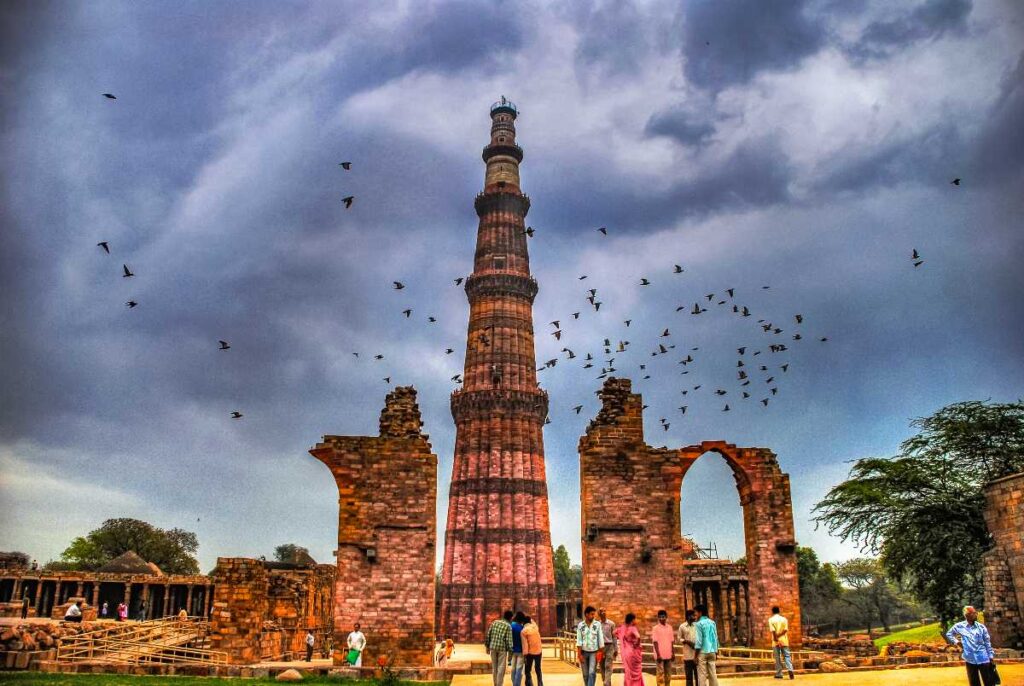
Explore the Heritage of Qutub Minar
The Qutub Minar area is one of Delhi’s most important historical destinations. The towering minaret and surrounding archaeological complex represent several layers of Delhi’s medieval history.
A guided heritage walk allows visitors to look beyond the famous tower and understand the architectural details, monuments and historical developments associated with the complex.
The surrounding Mehrauli area is also filled with lesser-known monuments, making it an excellent destination for travellers interested in exploring Delhi’s historical heritage.
Mehrauli Archaeological Park: Discovering Hidden History
Mehrauli Archaeological Park is home to numerous historical structures spread across a large green landscape.
The area contains monuments from different periods and offers an opportunity to discover a side of Delhi that many visitors miss.
Walking through the park with a knowledgeable guide can help visitors understand the significance of structures that might otherwise appear to be simply ruins or forgotten buildings.
This circuit is particularly appealing to history enthusiasts, photographers and travellers looking for less-explored places in Delhi.
Hauz Khas and Delhi’s Medieval Water History
The Hauz Khas heritage walk offers an especially interesting perspective on the relationship between Delhi and water.
According to Geetika Sharma, the walk will explore Delhi’s water history and explain how people during the medieval period obtained and managed water through baolis, lakes and other traditional sources.
The historic Hauz Khas complex itself reflects the importance of water in medieval Delhi. The area developed around a large water reservoir and became an important centre of learning and architecture.
Through the heritage walk, visitors can learn how water influenced settlement patterns and everyday life in historic Delhi.
Museums and Memorials
Delhi is also home to numerous museums and memorials that preserve the stories of India’s political, cultural and social history.
The heritage walk programme includes a circuit focused on museums and memorials, allowing visitors to explore important institutions while understanding their wider historical context.
For visitors interested in India’s modern history, this circuit can provide an informative addition to the traditional monument-based sightseeing experience.
Discover Old Delhi on Foot
Old Delhi is one of the most fascinating parts of the capital.
Its narrow streets, historic buildings, traditional markets, religious landmarks and famous food destinations create a unique atmosphere that is difficult to experience fully from a vehicle.
The heritage programme includes two walks in Old Delhi, giving visitors the opportunity to explore the area’s history on foot.
Walking through Old Delhi can reveal stories hidden behind its busy streets and famous landmarks. A trained guide can explain how the neighbourhood developed and how its communities, markets and architecture have evolved over generations.
Shahjahanabad Heritage Walk
Another important circuit focuses on Shahjahanabad, the historic city established by Mughal emperor Shah Jahan.
Today’s Old Delhi grew around this historic urban centre. The area preserves important reminders of its Mughal past while continuing to function as one of Delhi’s busiest and most vibrant neighbourhoods.
A guided walk through Shahjahanabad offers visitors an opportunity to understand the relationship between the historic city and modern Old Delhi.
When Will the Heritage Walks Take Place?
The heritage walks began on March 25 and are scheduled to continue on Saturdays and Sundays.
According to the information reported by Delhi Tourism, the walks will take place from:
6:30 AM to 9:30 AM
Each guided walk is expected to last approximately three hours.
The early-morning timing also provides a comfortable opportunity to explore Delhi’s outdoor heritage sites before the day becomes hotter and busier.
Government-Licensed Guides to Lead the Walks
One of the key features of the initiative is the involvement of trained and authorised guides.
According to Geetika Sharma, the walks will be conducted by government-licensed guides with extensive knowledge of the respective circuits.
The guides were selected through a careful selection process and are accredited by the Ministry of Tourism.
Their role goes beyond simply identifying monuments. They can provide historical context, explain architectural features and share lesser-known stories connected with the places along each route.
Why Heritage Walks Are Important for Delhi Tourism
Heritage walks offer a different way of experiencing a destination.
Traditional sightseeing often involves travelling from one monument to another, spending a short amount of time at each location. A walking tour encourages visitors to slow down and observe the details around them.
For Delhi, this approach is particularly valuable because history is spread throughout the city.
A street, marketplace, old building, water reservoir or neighbourhood can be just as important to understanding Delhi as a famous monument.
The heritage walks can therefore help:
- Promote Delhi’s lesser-known historical sites
- Encourage cultural and heritage tourism
- Give visitors deeper historical knowledge
- Support trained local guides
- Create more immersive sightseeing experiences
- Highlight Delhi’s architectural diversity
- Preserve and promote local stories and traditions
- Encourage visitors to explore historic neighbourhoods on foot
A New Experience for Visitors to Delhi
Delhi has long been known for iconic attractions such as India Gate, Red Fort, Qutub Minar, Humayun’s Tomb and the Lotus Temple. However, the city’s heritage extends far beyond these famous landmarks.
The new heritage walk initiative provides travellers with an opportunity to explore the capital through stories, architecture, neighbourhoods and local traditions.
For international visitors, these guided walks can also provide valuable cultural context that makes a Delhi holiday more meaningful.
For domestic travellers and Delhi residents, they offer a chance to rediscover familiar places from a completely different perspective.
Best Places to Combine With a Delhi Heritage Experience
Travellers planning a Delhi trip can combine a heritage walk with other important attractions, depending on the circuit they choose.
Some popular additions include:
- Red Fort
- Jama Masjid
- Humayun’s Tomb
- Qutub Minar
- Mehrauli Archaeological Park
- India Gate
- Lodhi Garden
- Purana Qila
- National Museum
- Connaught Place
- Chandni Chowk
- Gurudwara Bangla Sahib
Combining guided walks with independent sightseeing can create a well-rounded Delhi itinerary covering both historic and modern aspects of the city.
Experience Delhi Beyond the Monuments
The introduction of six heritage walk circuits is an encouraging step towards making Delhi’s history more accessible and engaging.
Delhi is not simply a city of monuments. It is a living historical landscape where ancient ruins, medieval architecture, Mughal-era neighbourhoods, colonial buildings and modern urban life exist side by side.
These heritage walks can help visitors understand that larger story.
Whether you are a history enthusiast, photographer, culture lover, first-time visitor or a traveller who wants to discover the lesser-known side of India’s capital, a guided heritage walk can offer a memorable way to experience Delhi.
Final Thoughts
Delhi’s heritage is best experienced not only by seeing its monuments but also by understanding the stories behind them.
With heritage walks covering Qutub Minar, Mehrauli Archaeological Park, Hauz Khas, museums and memorials, Old Delhi and Shahjahanabad, Delhi Tourism’s initiative provides visitors with an opportunity to explore the capital at a slower and more meaningful pace.
For travellers planning an India tour, adding a Delhi heritage walk to the itinerary can be an excellent way to begin their journey through India’s history, culture and living traditions.
