
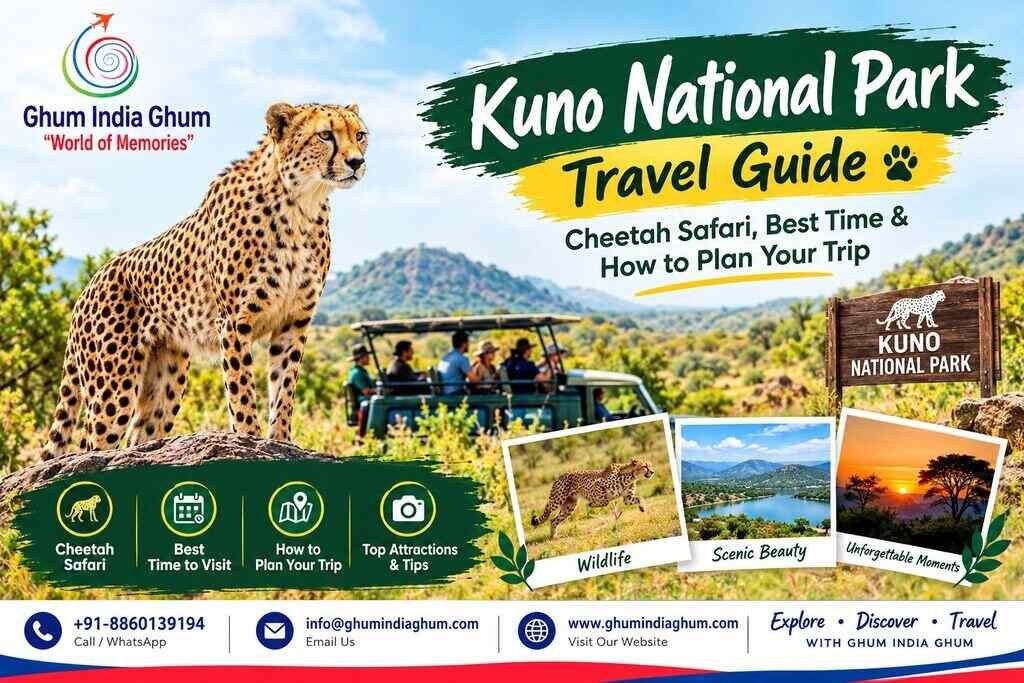

India declared the cheetah extinct in 1952. Seven decades later, cheetahs are running again across the grasslands of central India. Kuno National Park, in Madhya Pradesh’s Sheopur district, is where the comeback began. Eight cheetahs from Namibia arrived here on 17 September 2022, and the park has been India’s cheetah heartland ever since.
The story keeps moving. On 7 October 2026, Chief Minister Mohan Yadav released two cheetahs, named Vyom and Neera, into the Veerangana Durgavati Tiger Reserve in Sagar district. Both animals came from Kuno. The reserve became Madhya Pradesh’s third cheetah habitat, after Kuno and Gandhi Sagar Wildlife Sanctuary.
This Kuno National Park travel guide covers what you need to plan a visit. You’ll find the best time to go, how to get there, how safaris work, and what to realistically expect. It also explains how Kuno connects with Gandhi Sagar and Veerangana Durgavati, so you can see the full picture of the state’s cheetah story. A short FAQ is included for quick planning.
Quick answer: Kuno National Park sits in Madhya Pradesh’s Sheopur district, roughly 160–210 km from Gwalior depending on the gate. It’s open to tourists from October to June and closed during the monsoon. Safaris are by jeep only, with a compulsory guide. Most travelers need 2–3 days, and the best season is October to March. Sightings are never guaranteed, so go for the landscape and the wildlife as a whole.
Kuno National Park at a Glance
| Location | Sheopur district (also extends into Shivpuri), Madhya Pradesh |
|---|---|
| Size | About 749 sq km, within the 1,235 sq km Kuno Wildlife Division |
| Known for | Project Cheetah, India’s reintroduced African cheetahs |
| Cheetahs | Around 50 at Kuno, based on recent reports. Counts change with births and transfers |
| Safari gates | Tiktoli, Ahera, Peepalbawadi |
| Safari type | Jeep only, with a compulsory guide |
| Open to tourists | October to June (closed in monsoon) |
| Best time to visit | October to March |
| Nearest airport | Gwalior |
| Ideal duration | 2–3 days |
Why Visit Kuno National Park
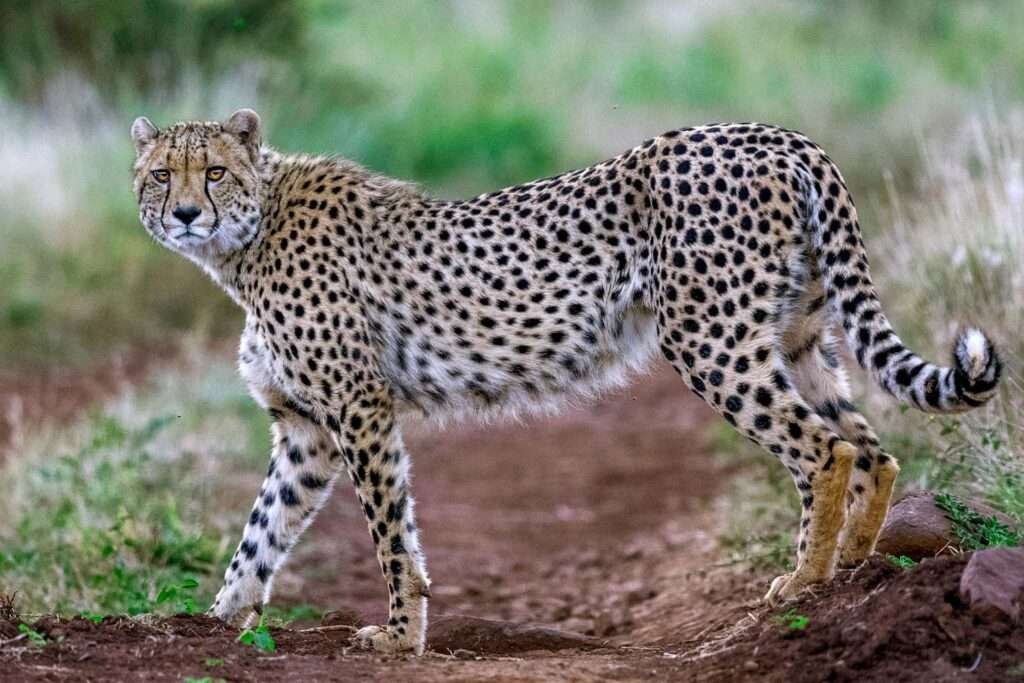
Any good Kuno National Park travel guide starts with the same point: Kuno offers something no other park in India can. It’s the main site of Project Cheetah, the world’s first intercontinental cheetah translocation. Cheetahs arrived from Namibia in September 2022, from South Africa in February 2023, and from Botswana in February 2026.
The landscape is part of the appeal. Kuno blends dry deciduous forest, open grassland, rocky hills, and the Kuno River. It feels very different from the tiger parks of central India, with wide open meadows instead of dense jungle.
Interest is also growing fast. When the 2026–27 season opened on 1 October, first-day safari bookings were reported as full. Plan ahead.
A Quick Look at Project Cheetah
Project Cheetah began on 17 September 2022. Since then, cubs have been born on Indian soil, and recent reports put India’s cheetah population at around 60. Five cubs were born at Kuno on 5 October 2026.
The project hasn’t been easy. Cheetahs have died, and in April 2026, a litter of cubs did not survive a leopard attack. Experts continue to debate how much space the animals need. That’s worth knowing before you visit. Kuno is a living conservation experiment, not a zoo.
Best Time to Visit Kuno National Park
October to March: The best season. The park reopens in October after the monsoon, and winter days are comfortable for safaris. Morning drives can be cold, so bring layers.
April to June: Hot, with strong afternoon heat. Wildlife is still active around water, but conditions are tough for visitors.
July to September: Closed to tourists for the monsoon. In 2026, Madhya Pradesh’s national parks reopened on 1 October for the new season.
How Many Days Do You Need?
Two nights and three days is the sweet spot. That gives you time for at least three safaris, which improves your chances of good wildlife viewing. If you can add a fourth day, you can combine Kuno with Gwalior or another park.
Many travelers try to squeeze Kuno into a single night. That leaves little buffer given the long drive from Gwalior.
How to Get to Kuno National Park
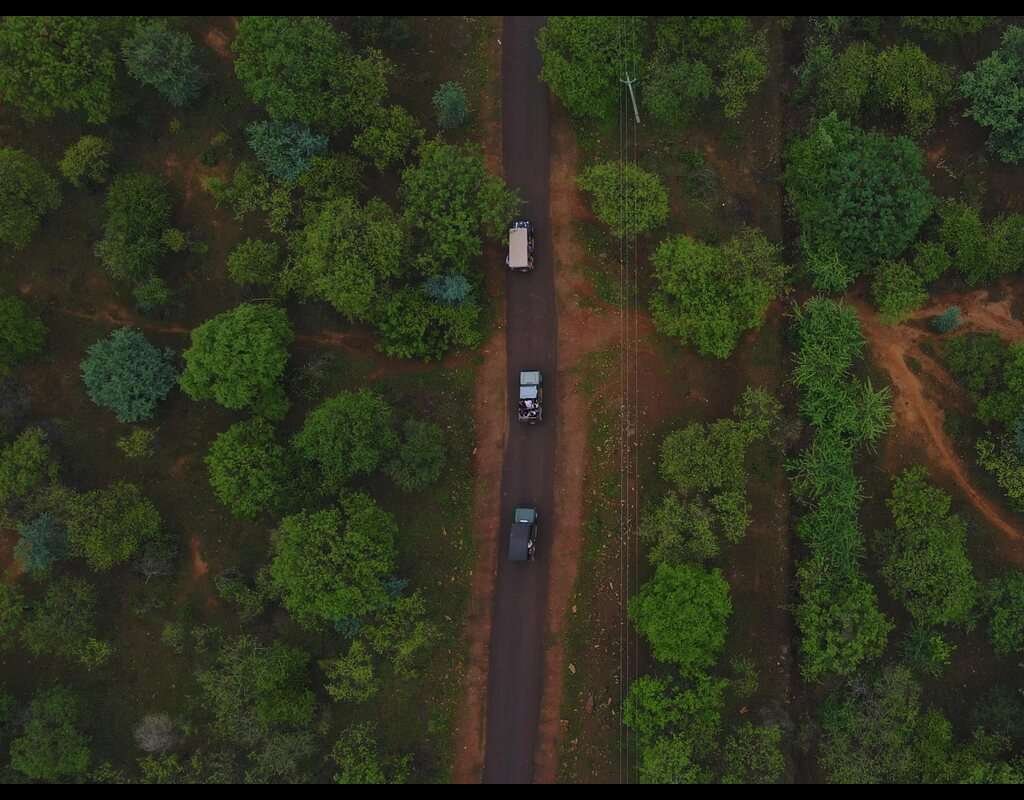
Kuno is remote, and the journey is part of the experience.
- By air: Gwalior Airport is the nearest. Distances vary by source and gate, but expect roughly 160–210 km, or 3.5–4.5 hours by road.
- By train: Shivpuri station is the closest, about 60 km from Sesaipura village near the Tiktoli gate. Gwalior Junction is the larger rail hub with more connections.
- By road: Sesaipura and Vijaypur are the usual gateway villages. A private car and driver is the most practical way to travel.
Distances differ depending on which gate you use, so confirm your gate before booking transport.
Kuno Safari: Gates, Timings, and Booking
Kuno has three tourist gates: Tiktoli, Ahera, and Peepalbawadi. A dedicated cheetah safari has operated since October 2025, reportedly through the Ahera and Peepalbawadi gates. Gate arrangements can change, so check when you book.
Timings: For October and November 2026, the Madhya Pradesh Forest Department announced morning entry from 6:00 am to 11:30 am and afternoon entry from 3:00 pm to 6:00 pm. Timings shift with the seasons. Afternoon drives have reportedly been closed on Wednesdays, so confirm this too.
Rules:
- Safaris are by jeep.
- A park guide must accompany every vehicle.
- You’ll need valid photo ID to book.
- Permits are tied to a specific date, time, and person.
Booking: Book through the official Madhya Pradesh Forest Department portal or a trusted operator. This Kuno National Park travel guide recommends booking early, especially for weekends and winter holidays.
Cost: The total includes the entry permit, vehicle, and guide. Prices vary by nationality, gate, and season, and foreign visitors pay more than Indian nationals. Published figures differ widely between websites, so we don’t quote a single number here. Ask for the current price when you book.
What Wildlife Can You See?
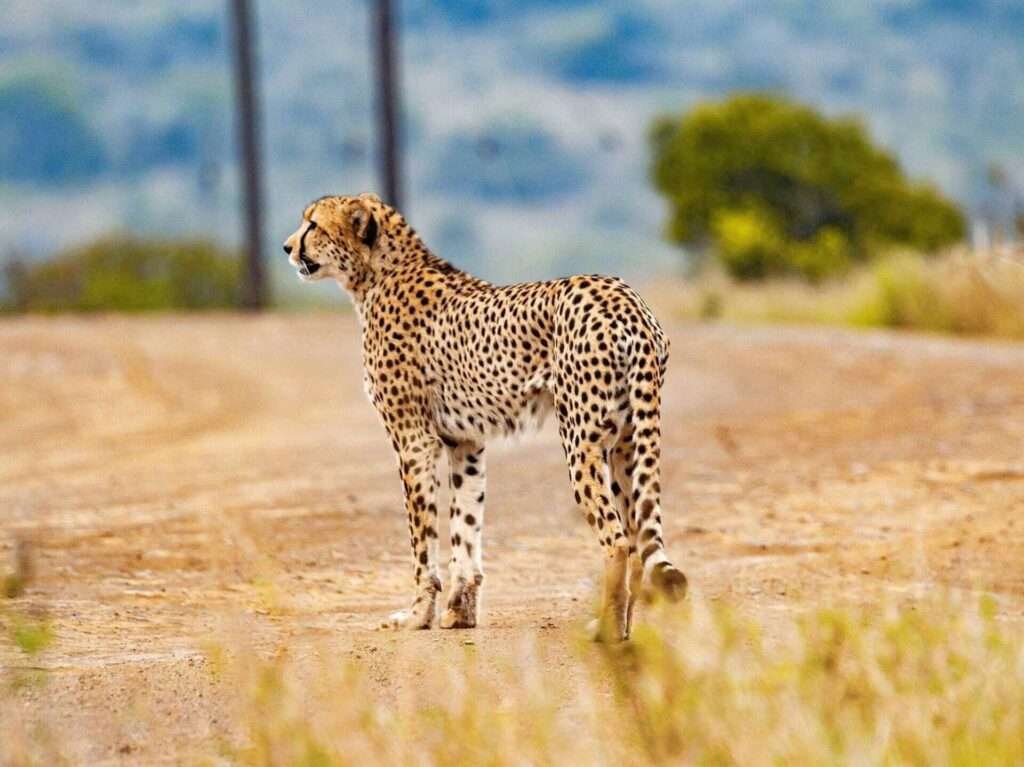
Cheetahs are the headline, but they’re not the only reason to visit.
- Cheetahs: Sightings are possible but never guaranteed. Many animals roam free across a large landscape.
- Leopards: Leopards live here too, and they share the landscape with the cheetahs.
- Other mammals: Sloth bears, Indian wolves, striped hyenas, jackals, and Indian foxes live here, along with nilgai, chital, and sambar.
- Birds: The grasslands, forest, and river support a wide range of birdlife.
Go with realistic expectations. Even without a cheetah, a dawn drive through Kuno’s meadows is memorable.
Where to Stay Near Kuno
Facilities near the park are simple compared with major tiger reserves.
- Forest rest houses: The Forest Department runs rest houses inside the park. Reservations go through the park office.
- Resorts and lodges: Several options sit near Sesaipura, Vijaypur, and Sheopur, including Madhya Pradesh Tourism properties.
- Cities: Gwalior and Shivpuri have far more choice, but add significant driving time.
Book ahead in peak season. Food options are limited, so expect simple meals, mostly at your lodge.
Madhya Pradesh’s Three Cheetah Habitats
Kuno is the main site, but cheetahs now live in three places across Madhya Pradesh. Here’s how they compare.
| Place | Kuno National Park | Gandhi Sagar Wildlife Sanctuary | Veerangana Durgavati Tiger Reserve |
|---|---|---|---|
| District | Sheopur | Mandsaur and Neemuch | Sagar, Damoh, Narsinghpur |
| Size | 749 sq km | 368 sq km | 2,339 sq km |
| Cheetah status | Main site since 2022 | Second site; first cheetahs released April 2025 | Third site; first cheetahs released 7 October 2026 |
| For visitors | Dedicated cheetah safari | Check current access rules | Newly reopened; cheetahs acclimatizing |
Kuno National Park
This is where to go if you want the best chance of seeing cheetahs. It has the largest population, the established safari system, and the longest track record.
Gandhi Sagar Wildlife Sanctuary
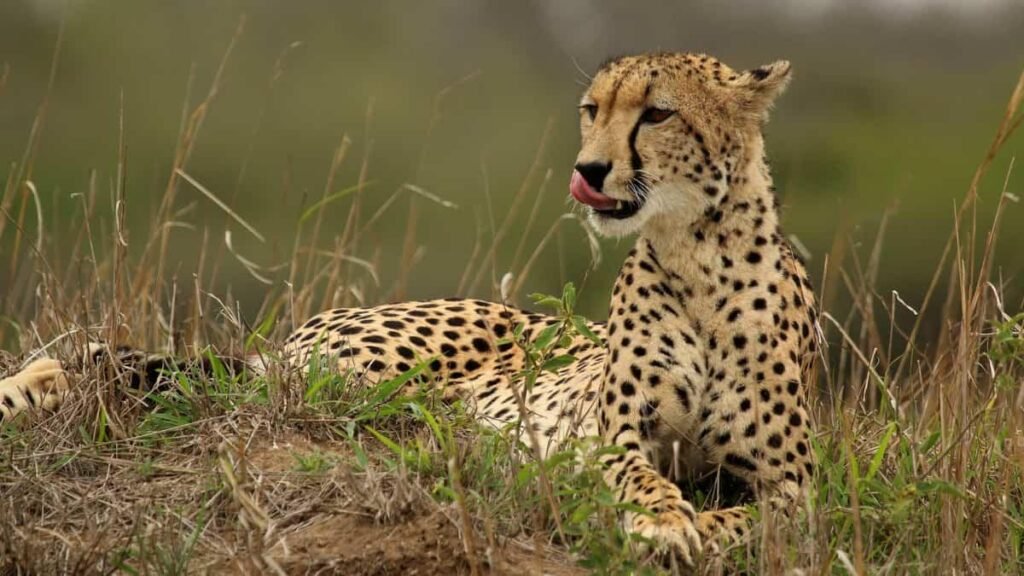
Gandhi Sagar sits on the Chambal River in Mandsaur and Neemuch districts, near the Rajasthan border. The river divides the sanctuary in two. Its open country, hillocks, and ravines suit cheetahs, and it became India’s second cheetah site when the first animals were released in April 2025.
The sanctuary is a destination in its own right. Boat trips on the Chambal and nearby heritage spots like Hinglajgarh Fort make it appealing beyond cheetahs. It’s about 100–130 km from Mandsaur, Neemuch, and Kota. Kota is the nearest airport and railway hub, at roughly 100–110 km.
Access to cheetah areas is governed by the conservation program, so check current forest department rules before you plan around it.
Veerangana Durgavati Tiger Reserve
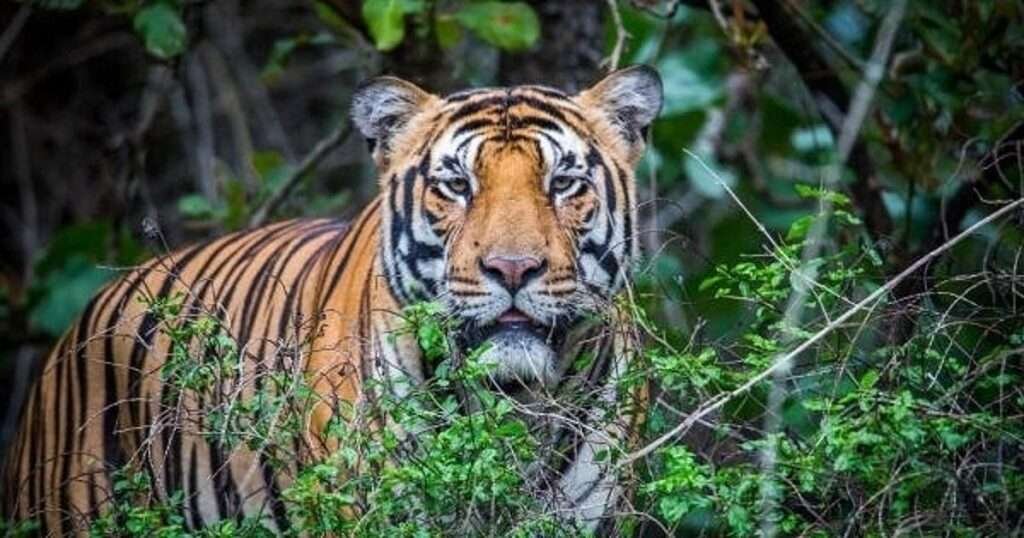
This is the newest habitat. Veerangana Durgavati, also known as Nauradehi, is Madhya Pradesh’s largest tiger reserve. It gained tiger reserve status on 20 September 2023. It’s home to tigers, leopards, chital, sambar, nilgai, and bears.
Vyom and Neera’s release on 7 October 2026 was reported as the first time cheetahs have been released into a tiger reserve in India. Some experts have questioned how cheetahs and tigers will coexist, so the experiment is closely watched. The reserve reopened with the rest of the state’s parks on 1 October 2026, but the cheetahs are still settling in. Don’t plan a trip around seeing them there. Check current arrangements before you go.
Combine Kuno With Other Destinations
Kuno works well as one stop in a bigger Madhya Pradesh or North India trip.
- Ranthambore National Park: About 150 km from Kuno. Pair a cheetah safari with a tiger safari.
- Gwalior: Its famous fort is a good stop on the way to or from Kuno. Gwalior also sits a short drive or train ride from Agra, so it fits neatly into a Golden Triangle route.
- Madhav National Park, Shivpuri: An easy add-on near the rail route.
- Madhya Pradesh heritage: Pair wildlife with culture by adding Khajuraho, Sanchi, and Bhimbetka. See our guide to the UNESCO sites in Madhya Pradesh.
Extend Your Wildlife Trip to Nepal and Sri Lanka
If wildlife is why you’re traveling, consider extending beyond India. Nepal’s Chitwan National Park offers rhinos and tigers. Sri Lanka’s Yala National Park is known for leopards. Both pair naturally with an India wildlife itinerary.
Ghum India Ghum works as a DMC for Nepal and Sri Lanka as well as India, so one team can handle ground arrangements across all three. If you’re also planning Kathmandu, see our Kathmandu travel guide.
Kuno for Indian Travelers
Indian nationals pay lower safari rates than foreign visitors, and Kuno suits a long weekend. Take a train to Gwalior or Shivpuri, then continue by road. Safari permits need valid photo ID, so carry yours. Because slots sell out, book your safari before you book your tickets.
Sample 3-Day Kuno Itinerary (From This Kuno National Park Travel Guide)
Day 1 – Gwalior to Kuno: Arrive in Gwalior. If time allows, visit Gwalior Fort. Then drive to your lodge near Kuno, allowing 3.5–4.5 hours. Settle in and rest.
Day 2 – Safari day: Take the morning safari at dawn, return for a late breakfast and rest, then join the afternoon safari.
Day 3 – Final safari and departure: Take one more morning safari. Then drive back to Gwalior or Shivpuri for onward travel.
For a wider trip, add Ranthambore for tigers or extend into Madhya Pradesh’s heritage circuit.
Is Kuno Safe and Responsible to Visit?
Kuno is a protected wildlife area, so follow your guide at all times. Stay in the vehicle, keep your voice low, and never try to approach animals. Choose operators who respect park rules. Responsible tourism supports conservation, and Madhya Pradesh shares part of its wildlife sanctuary income with surrounding villages.
Frequently Asked Questions
A. Yes, but never with certainty. Cheetahs roam a large area, so sightings depend on luck and timing.
A. October to March, when the park is open and the weather is comfortable.
A. No. It closes to tourists during the monsoon, roughly July to September.
A. Fly to Gwalior, then drive 3.5–4.5 hours. Shivpuri is the closest railway station.
A. Recent reports put India’s total at around 60, mostly at Kuno, with a few at Gandhi Sagar and two newly released at Veerangana Durgavati.
A. Yes. A park guide is compulsory in every safari vehicle.
Planning Your Trip
This Kuno National Park travel guide should help you plan with realistic expectations. Cheetah sightings can’t be promised, but the landscape, the wildlife, and the chance to be part of one of the world’s most ambitious conservation projects make the trip worthwhile.
If you’d rather have the logistics handled, Ghum India Ghum builds custom India wildlife and heritage itineraries for travelers from the US, Europe, and India. We have more than 15 years of experience and are recognized by the Ministry of Tourism, Government of India. We also have offices in Milan and the USA, so you get direct, time-zone-friendly support before you go.
Want to combine Kuno with Delhi, Agra, Jaipur, and Nepal? Explore our Golden Triangle Tour with Nepal to see how a multi-country route comes together. Get in touch and we’ll help you build the right wildlife route for your time and interests.
