

Pokhara is where the Himalayas stop being a backdrop and start being the whole point. Phewa Lake sits still in the morning, with the Annapurna range reflected on its surface. Paragliders drift overhead by midday. By evening, Lakeside’s cafés fill with trekkers swapping stories about the trail ahead or the one they just finished. It’s Nepal’s adventure capital, and for many travelers, the real highlight of a Nepal trip.
This Pokhara travel guide covers everything you need to plan your visit: how to get here, what it costs, the best things to do, trekking options, and how many days to set aside. Whether you’re traveling from the US, Europe, or India, the information below is practical and current. A full FAQ section is included for quick planning.
Quick answer: Pokhara sits about 200 kilometers west of Kathmandu. It’s reached by a 25–30 minute flight, a 6–9 hour drive, or a tourist bus along the Prithvi Highway. Most travelers spend 2–3 days in Pokhara for sightseeing, or longer if using it as a base for Annapurna trekking. Best visited October–November or March–April for clear mountain views.
Pokhara at a Glance
| Country | Nepal |
|---|---|
| Distance from Kathmandu | 200 km by road, 143 km by air |
| Flight time from Kathmandu | 25–30 minutes |
| Drive time from Kathmandu | 6–9 hours |
| Ideal duration | 2–3 days for sightseeing; longer for trekking |
| Best time to visit | October–November & March–April |
| Known for | Phewa Lake, paragliding, Annapurna views, trekking gateway |
| Best for | Adventure travelers, trekkers, nature and mountain views |
Prices and travel times are subject to change. Always confirm current details with your airline or tour operator before you go.
Why Visit Pokhara
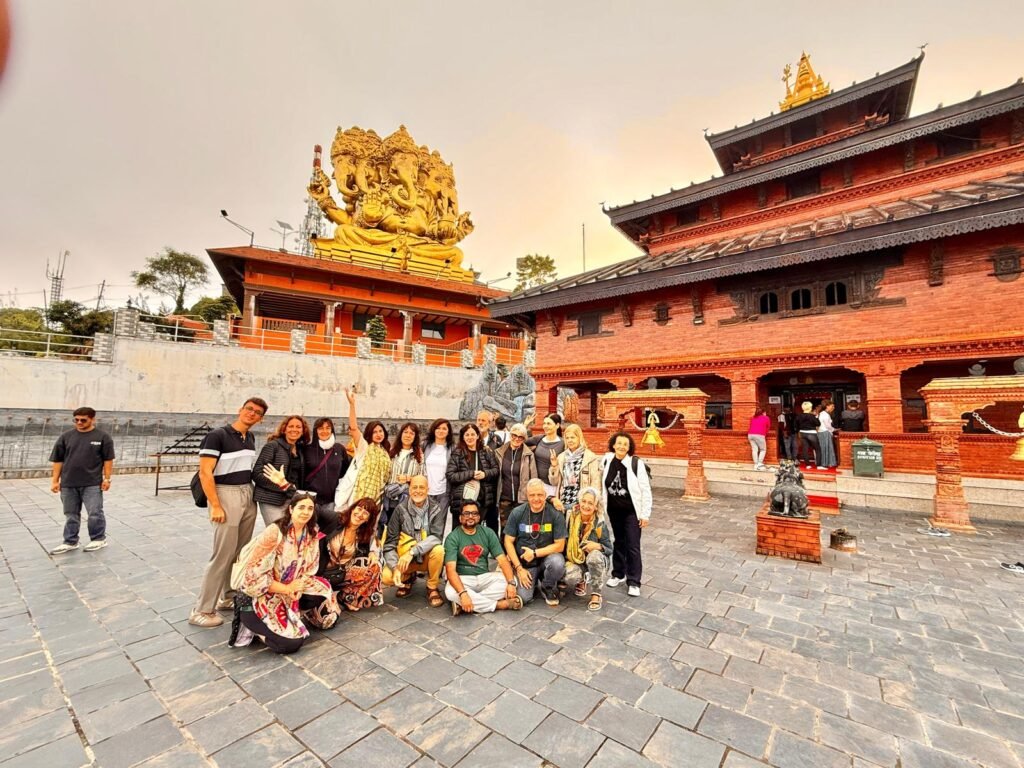
Kathmandu, Bhaktapur, and Patan are about temples and history. Pokhara is about the mountains themselves. This Pokhara travel guide exists because the city serves two very different kinds of travelers equally well. Some come purely to relax lakeside with a mountain view and a coffee. Others use Pokhara as the launch point for multi-day treks into the Annapurna range.
Pokhara also feels genuinely laid-back in a way the Kathmandu Valley cities don’t. Traffic is lighter. The pace is slower. Many travelers who found Kathmandu overwhelming end up calling Pokhara their favorite stop in Nepal.
Best Time to Visit Pokhara
October to November: The clearest mountain views of the year, with the Annapurna range visible most mornings. Peak trekking season, so book accommodation and permits ahead.
March to April: Warm days and blooming rhododendrons on nearby trails. Mountain visibility is good, though slightly hazier than autumn.
December to February: Cold at higher elevations if trekking, but clear skies and thinner crowds in Pokhara itself.
June to September (monsoon): Heavy rain and frequent cloud cover hide the mountains for days at a time. Flights to and from Kathmandu get delayed more often in this window. Not recommended for trekking or mountain views.
How Many Days Do You Need in Pokhara?
Two to three days covers Phewa Lake, Sarangkot sunrise, the World Peace Pagoda, and a walk through Lakeside at an easy pace, as this Pokhara travel guide’s sample itinerary below shows. If you’re adding a short trek like Poon Hill, budget 4–5 extra days. A full Annapurna Base Camp trek typically adds 7–10 days to your Pokhara stay.
Many travelers treat Pokhara as a two-stop destination within one trip. They spend a couple of relaxed days on arrival, then return to rest and recover after trekking.
How to Get to Pokhara from Kathmandu
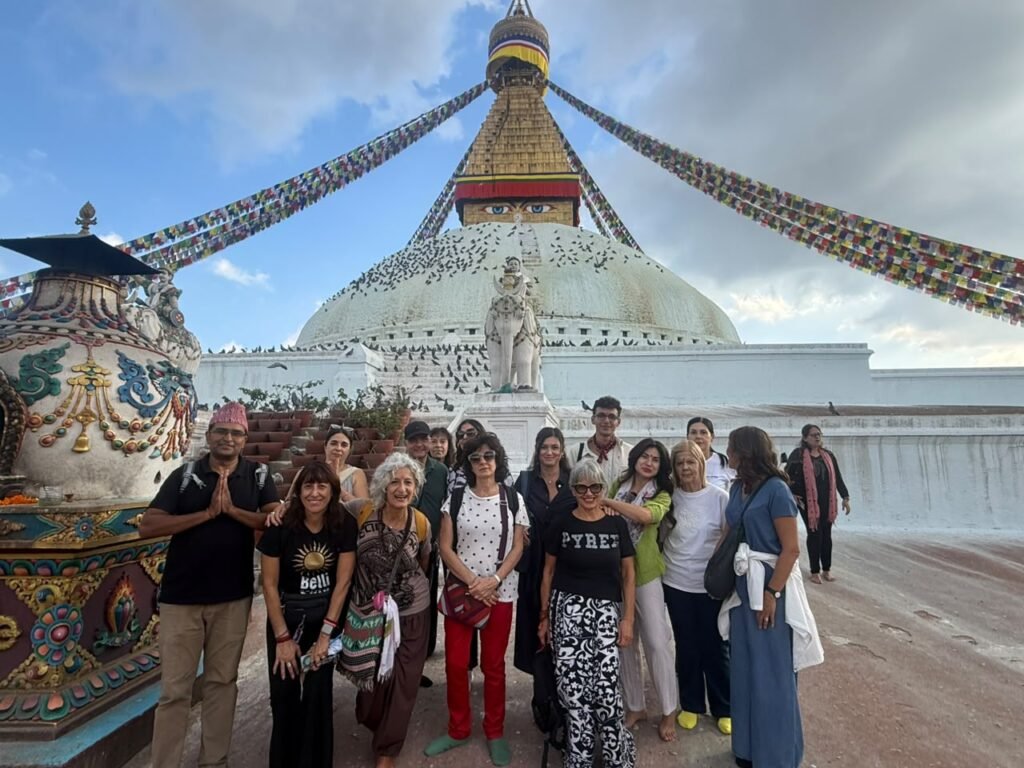
Getting between the two cities is one of the most common questions in any Pokhara travel guide. Pokhara isn’t a simple day-trip distance like Bhaktapur or Patan.
- Domestic flight: The fastest option, at 25–30 minutes in the air between Tribhuvan International Airport and Pokhara International Airport. Flights run multiple times daily in peak season, though weather delays are common, especially in monsoon.
- Tourist bus: The classic budget option, taking roughly 6–7 hours along the scenic Prithvi Highway. Buses depart from central Kathmandu and offer a good look at Nepal’s river valleys and hill terrain along the way.
- Private car or jeep: Similar travel time to the bus, around 6–9 hours. More flexibility to stop along the route, depending on traffic and road conditions.
- Road conditions: The highway connecting the two cities is being upgraded in sections, so travel time can vary. Check current conditions before booking, particularly during monsoon season.
There’s no need to arrange separate transport once you land. Pokhara International Airport sits close to the Lakeside area, with taxis readily available outside arrivals.
Pokhara Travel Costs
It doesn’t have a single city-wide entry fee like Kathmandu Valley’s Durbar Squares. Costs here are mostly activity-based.
Rough daily budget for Pokhara:
| Expense | Budget | Mid-range |
|---|---|---|
| Domestic flight (one-way) | NPR 5,000–8,000 | NPR 5,000–8,000 |
| Tourist bus (one-way) | NPR 800–1,500 | Private car: NPR 8,000+ |
| Lakeside guesthouse/night | NPR 1,000–2,500 | NPR 4,000–8,000 |
| Boat rental on Phewa Lake | NPR 600–900/hour | Same |
| Paragliding | $70–90 USD | Tandem with photos/video: $100+ |
| Meals per day | NPR 800–1,500 | NPR 2,000–3,500 |
Prices fluctuate, particularly flights in peak season. Treat this as a planning range rather than a fixed quote.
Top Things to Do in Pokhara
1. Phewa Lake
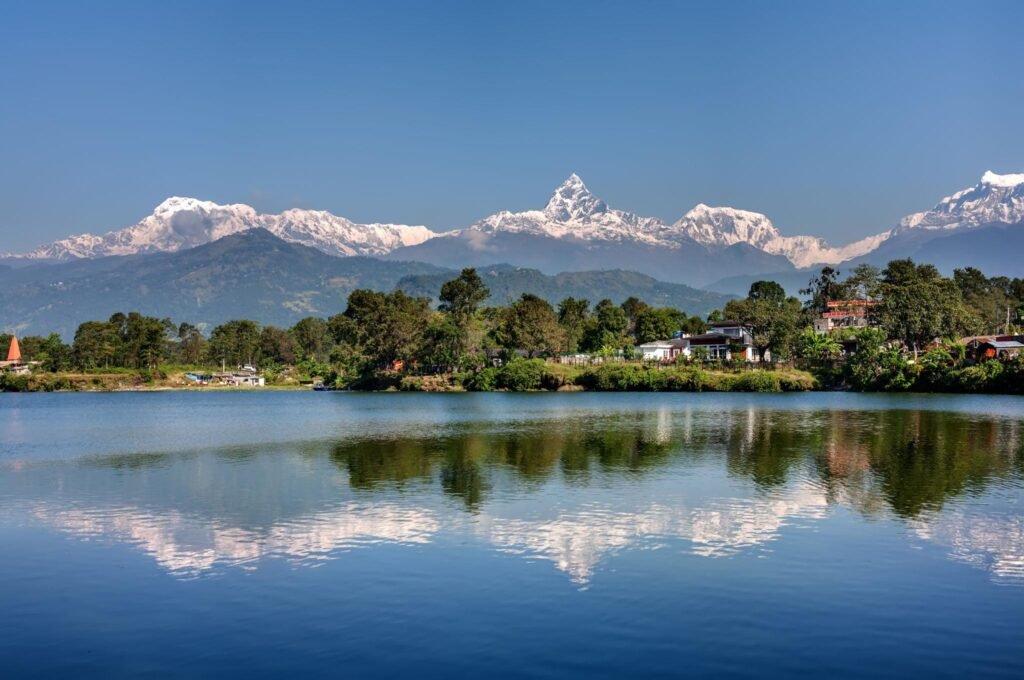
The heart of Pokhara. Rent a brightly painted wooden boat and row out toward the small Tal Barahi Temple on its own island. Or simply sit lakeside with a coffee and watch the Annapurna range reflected on the water at sunrise.
2. Sarangkot Sunrise
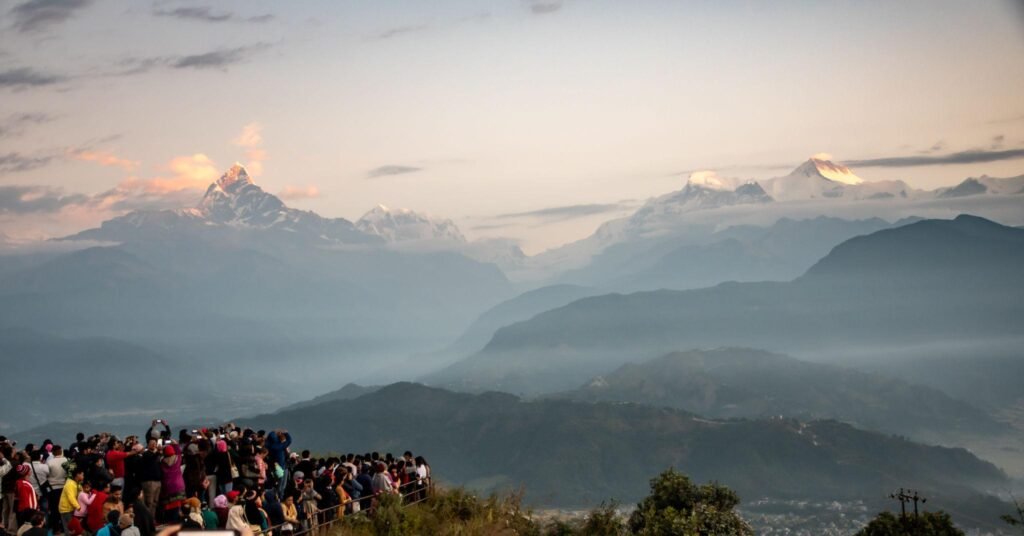
A short drive or hike above the city, Sarangkot is Pokhara’s most popular sunrise viewpoint. Arrive before dawn for an unobstructed view of Machapuchare and the wider Annapurna range catching first light. It’s crowded in peak season, but worth the early wake-up.
3. Paragliding
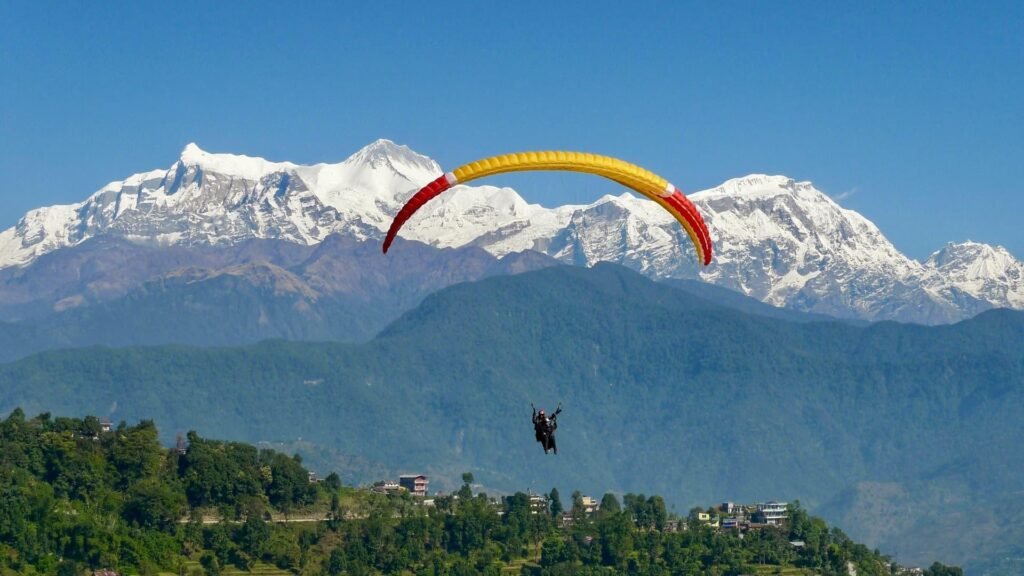
Pokhara is one of the world’s top paragliding destinations, thanks to reliable thermals and mountain backdrops. Tandem flights launch from Sarangkot and land near Phewa Lake, with no experience required.
4. World Peace Pagoda
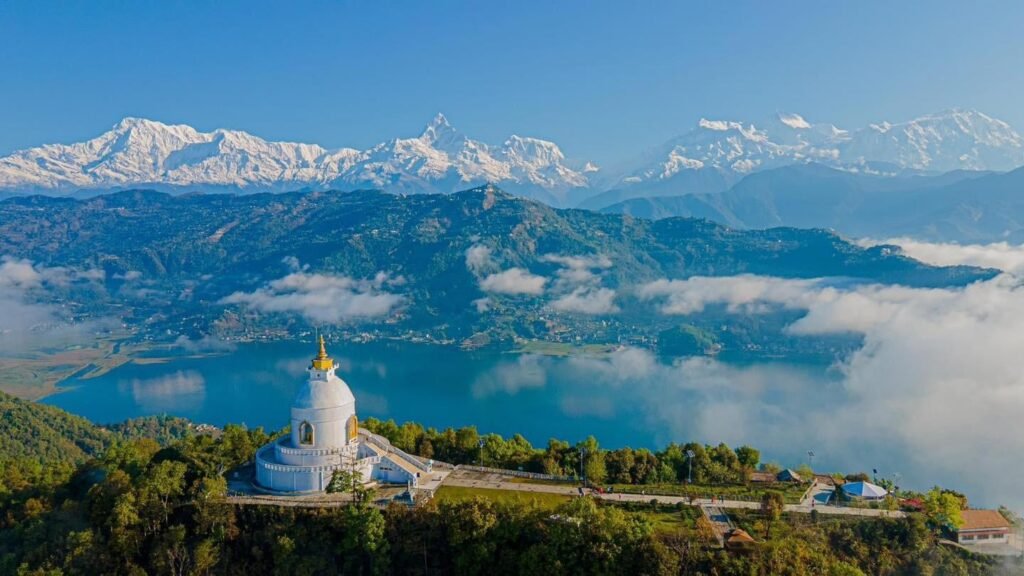
A large white stupa on a hilltop across the lake. It’s reachable by boat and a short uphill walk, or by road. The panoramic views over Phewa Lake and the city make the climb worthwhile.
5. Davis Falls and Gupteshwor Cave
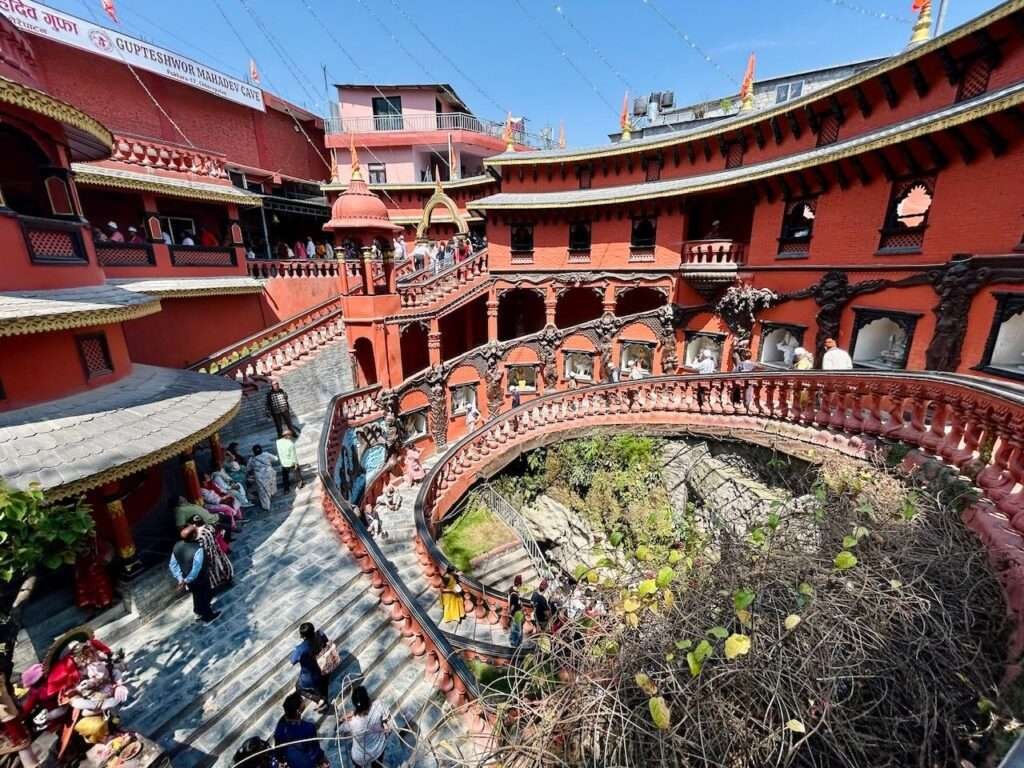
A dramatic waterfall that disappears underground, paired with a cave system you can walk through just across the road. Both sit close together and make an easy half-morning stop.
6. International Mountain Museum
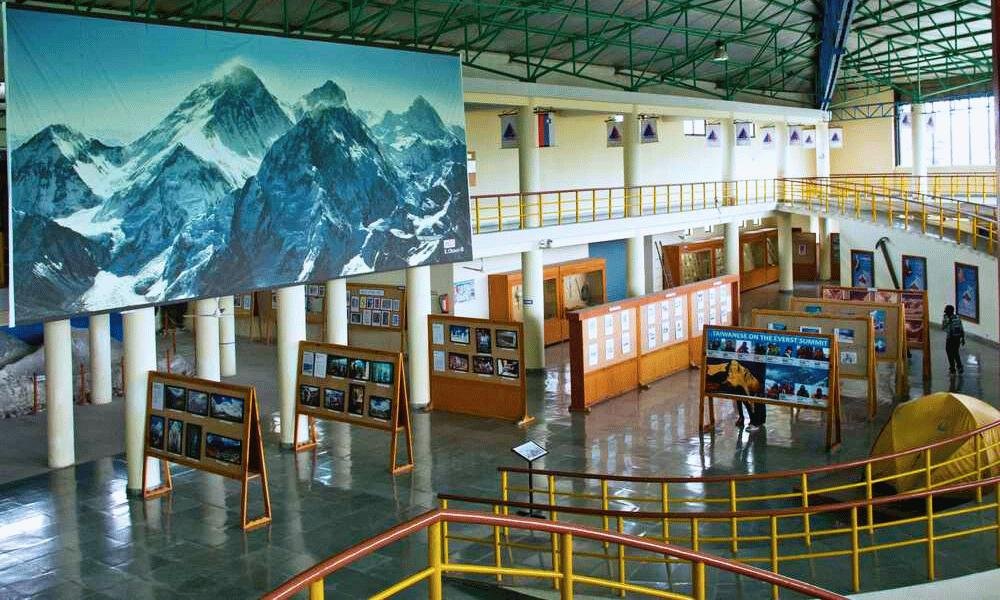
A well-curated museum covering Nepal’s mountaineering history, climbing culture, and the geography of the Himalayas. A good rainy-day option or a useful primer before heading out on a trek.
7. Old Pokhara Bazaar
Pokhara’s original town center, away from the tourist-focused Lakeside strip. Quieter streets, traditional Newari-influenced architecture, and a more local feel than the lakeside cafés.
Trekking from Pokhara
Pokhara is the starting point for most of Nepal’s best-known treks. This is the biggest reason many travelers choose to come here specifically.
- Poon Hill Trek – A 4–5 day trek with one of the best effort-to-reward ratios in Nepal. It ends at a sunrise viewpoint over the Annapurna and Dhaulagiri ranges, and suits moderately fit beginners.
- Annapurna Base Camp (ABC) – A 7–10 day trek through forests, villages, and high alpine terrain, ending at the base of Annapurna itself. More demanding than Poon Hill, but still achievable without technical climbing experience.
- Annapurna Circuit – A longer, classic route of 12–18 days circling the Annapurna massif, including a high-altitude pass crossing.
All of these treks require a TIMS card. Depending on the route, you’ll also need an Annapurna Conservation Area Permit. Both can be arranged in advance or through a tour operator.
Where to Stay in Pokhara
Lakeside (Phewa Tal): Where almost every visitor stays. Walkable, full of guesthouses and cafés, and right on the water. This is the easiest and most convenient base for most itineraries.
Damside: A quieter southern extension of Lakeside. It’s slightly removed from the busiest strip, but still a short walk to the lake.
Old Pokhara Bazaar: For travelers who want a more local, less tourist-focused base, though farther from Phewa Lake itself.
What to Eat in Pokhara
- Lakeside café culture – Pokhara has Nepal’s best café scene. Rooftop spots overlooking Phewa Lake serve everything from Nepali thali to Western breakfasts for trekkers.
- Dal Bhat – The staple trekking meal, and worth trying even if you’re not heading onto the trail.
- Momos – Available everywhere, with Tibetan-influenced versions reflecting Pokhara’s significant Tibetan refugee community.
- Fresh trout – Pokhara is one of the few places in Nepal where farmed fish, particularly trout, appears regularly on menus. Thank the lake and surrounding fisheries for that.
Sample Pokhara Itinerary
2-day sightseeing trip: Day one covers Phewa Lake boating and the World Peace Pagoda. Day two starts with sunrise at Sarangkot, followed by Davis Falls, Gupteshwor Cave, and an afternoon paragliding flight.
3-day trip: Add the International Mountain Museum and a slower walk through Old Pokhara Bazaar, with more time lakeside.
With a short trek: Spend one day in Pokhara preparing permits and gear, then head out for the 4–5 day Poon Hill trek. Return to Pokhara for a rest day before continuing your trip.
Pokhara for Indian Travelers
Indian citizens don’t need a visa to enter Nepal. A valid passport or voter ID is sufficient at the border or airport. Most Indian travelers fly into Kathmandu first, then connect to Pokhara by domestic flight or tourist bus. Seasonal regional flight options into Pokhara have also expanded in recent years. Combined with Nepal’s visa-free entry and relatively short flight times from Indian cities, Pokhara is an increasingly popular extension for Indian travelers who want an adventure-focused add-on to a Nepal trip.
Is Pokhara Safe?
Pokhara is generally very safe, with a relaxed, tourist-friendly atmosphere. If you’re trekking, altitude sickness is the real risk to plan for, not crime or safety in town. Acclimatize properly on any trek above 3,000 meters, go slowly, and don’t push through symptoms. Paragliding operators in Pokhara are generally well-regulated. Book through a licensed operator rather than the cheapest option you find on arrival.
Frequently Asked Questions | Pokhara Travel Guide
A: By domestic flight (25–30 minutes), tourist bus (6–7 hours), or private car (6–9 hours) along the Prithvi Highway.
A: Two to three days for sightseeing. Add 4–10 days if you’re combining it with a trek like Poon Hill or Annapurna Base Camp.
A: Yes. Phewa Lake, paragliding, and the mountain views alone make it worth a stop, even without any trekking.
A: October–November offers the clearest views, with March–April a solid second option.
A: No. Indian citizens can enter Nepal without a visa, using a valid passport or voter ID.
A: Generally yes, when booked through a licensed, reputable operator. Confirm credentials before booking rather than choosing based on price alone.
Planning Your Trip
This Pokhara travel guide should give you what you need, whether you’re planning a relaxed lakeside stay or using the city as your trekking base camp. Pokhara has a way of changing people’s plans. Travelers who arrive expecting two days often find themselves extending, pulled in by the lake, the mountains, or a trek they hadn’t originally planned on.
If you’d rather have the logistics handled, Ghum India Ghum builds custom Nepal and India itineraries for travelers from the US, Europe, and India. We provide on-the-ground support throughout your trip, and we also have offices in Milan and the USA, so you get direct, time-zone-friendly support before you go.
Planning to combine Pokhara with Kathmandu Valley, or add India to your trip? See our Kathmandu, Bhaktapur, and Patan travel guides, or check out our Golden Triangle Tour with Nepal. Get in touch and we’ll help you build the right route for your time and interests.
