
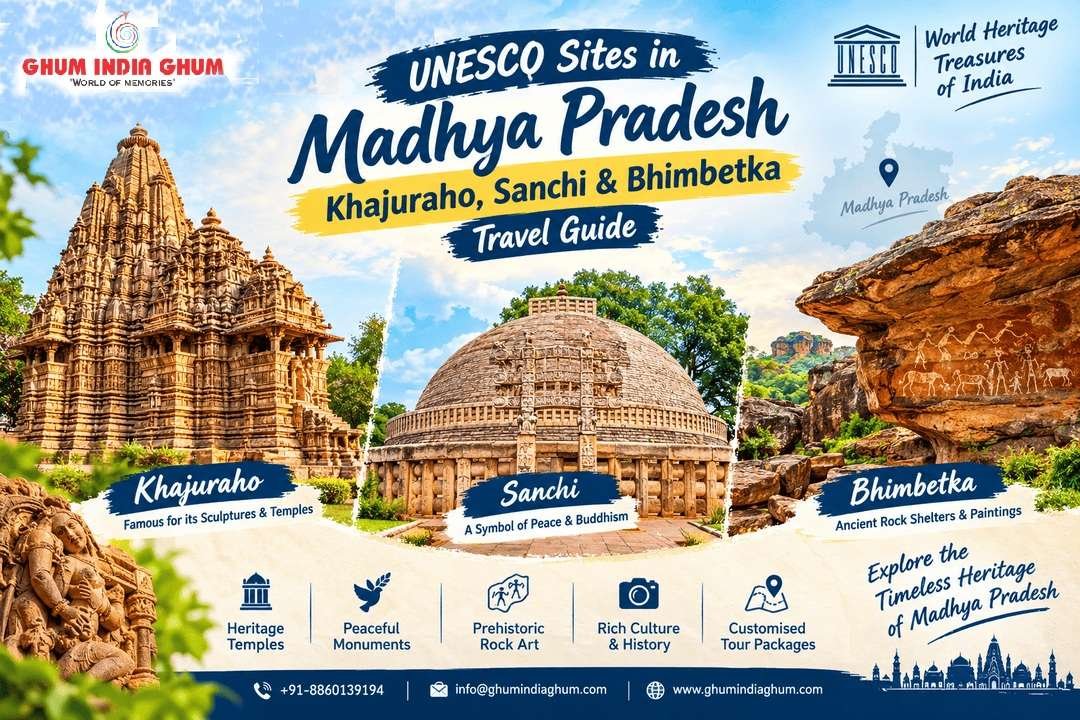

Madhya Pradesh sits in the geographic center of India, and it holds some of the country’s oldest stories. Prehistoric artists painted on its cave walls. Emperor Ashoka raised a stupa on a hilltop at Sanchi. Medieval Chandela kings carved Khajuraho’s temples into living stone. Few states pack so much history into one itinerary, and far fewer tourists see it.
This guide to the UNESCO sites in Madhya Pradesh covers all three World Heritage Sites: Khajuraho, Sanchi, and Bhimbetka. You’ll find entry fees, how to get between them, the best time to go, a sample itinerary, and how to link Sanchi into a wider Buddhist circuit through India, Nepal, and Sri Lanka. A short FAQ is included for quick planning.
Quick answer: There are three UNESCO World Heritage Sites in Madhya Pradesh: the Khajuraho Group of Monuments (1986), the Buddhist Monuments at Sanchi (1989), and the Rock Shelters of Bhimbetka (2003). Sanchi and Bhimbetka sit about an hour from Bhopal. Khajuraho is much farther north-east. Most travelers need 4–5 days to see all three comfortably. The best season is November to February.
UNESCO Sites in Madhya Pradesh at a Glance
| Site | UNESCO year | Known for | Nearest base |
|---|---|---|---|
| Khajuraho Group of Monuments | 1986 | Chandela-era temples, intricate sculpture | Khajuraho |
| Buddhist Monuments at Sanchi | 1989 | Ashokan stupas, carved gateways | Bhopal |
| Rock Shelters of Bhimbetka | 2003 | Prehistoric cave paintings | Bhopal |
Why Visit the UNESCO Sites in Madhya Pradesh
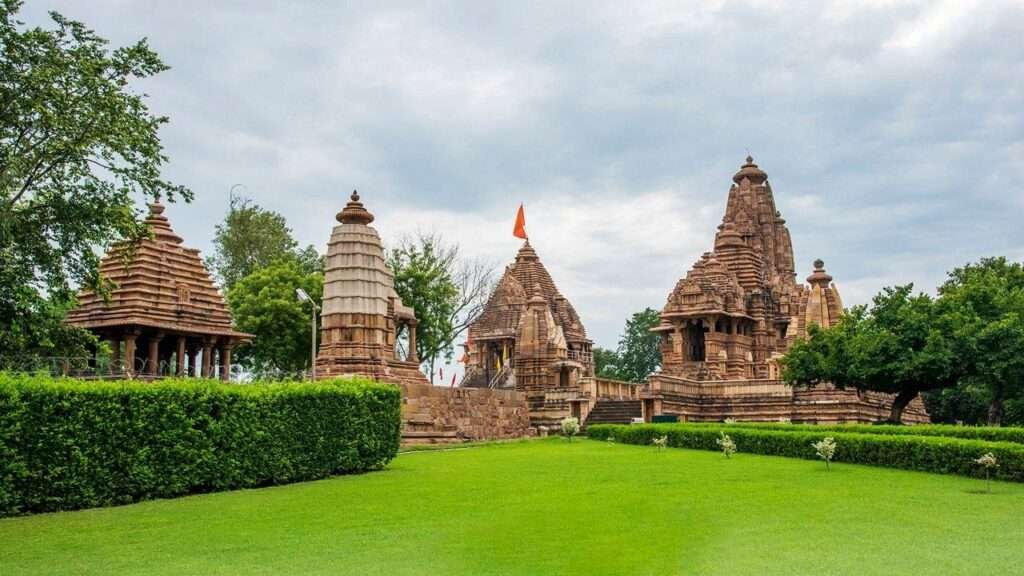
Each of the three sites represents a different layer of Indian history. Together they run from prehistory to the medieval age, with a major Buddhist chapter in between.
They’re also uncrowded by Indian standards. You can stand in front of a 2,000-year-old gateway at Sanchi without jostling for space. That’s rare at heritage sites of this caliber.
Madhya Pradesh also has more waiting in the wings. Orchha, Mandu, Gwalior Fort, and several other sites sit on India’s tentative list for World Heritage status. A tentative listing is only a first step, so they aren’t UNESCO sites yet. But they make easy, rewarding extensions to any heritage trip.
Best Time to Visit
November to February: The best season. Days are warm and comfortable, ideal for walking Khajuraho’s temple complex and climbing Sanchi’s hill.
October and March: Good shoulder months. Expect heat to build from March onward.
April to June: Very hot. Midday sightseeing is hard. Start early or skip these months.
July to September (monsoon): The countryside turns green and crowds thin out. Humidity is high, and rain can interrupt outdoor sightseeing.
1. Khajuraho Group of Monuments
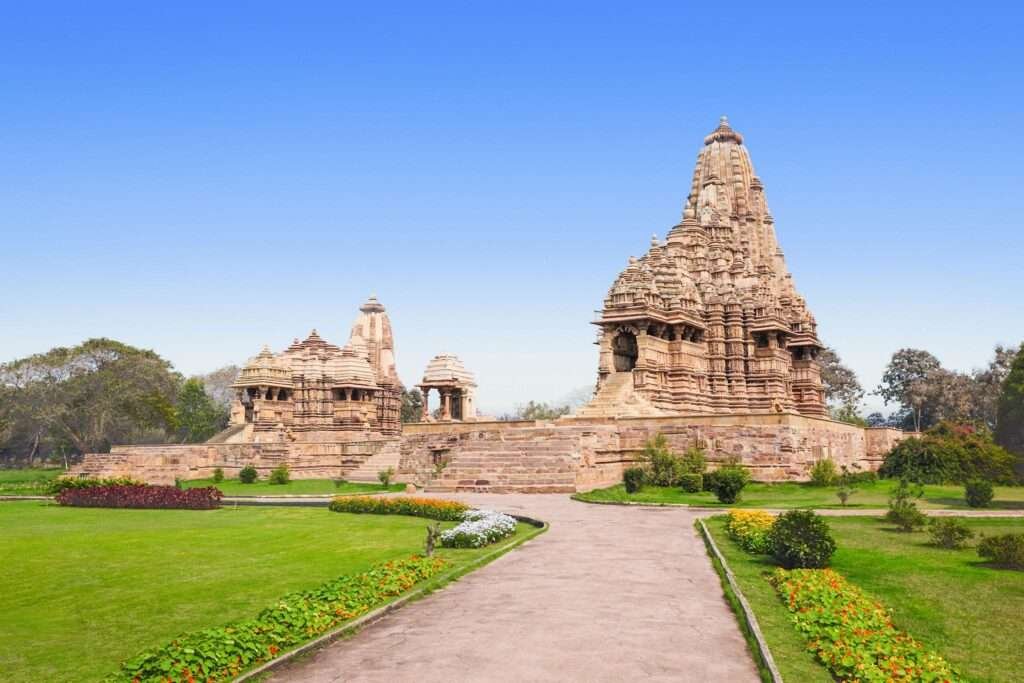
Khajuraho is the star of the three. The Chandela dynasty built most of its temples between roughly 950 and 1050 CE. Originally there were about 85. Around 25 survive today, spread across three groups.
The Western Group is the one most visitors come for. It holds the Kandariya Mahadeva Temple, the Lakshmana Temple, and other masterpieces. Every surface is carved with gods, dancers, musicians, animals, and scenes of daily life.
The famous erotic sculptures are only a small part of the carving. They sit alongside much larger themes of devotion, royal life, and the cycle of existence. Hire a local guide. Much of the symbolism is easy to miss without one.
The Eastern Group includes Jain temples, such as the Parsvanatha Temple. The Southern Group is smaller and quieter.
Practical notes:
- Plan at least half a day for the Western Group alone.
- Start early. Morning light is best for photography, and the stone is cooler.
- Check the schedule for the evening light-and-sound show at the Western Group if you want a second visit after dark.
2. Buddhist Monuments at Sanchi
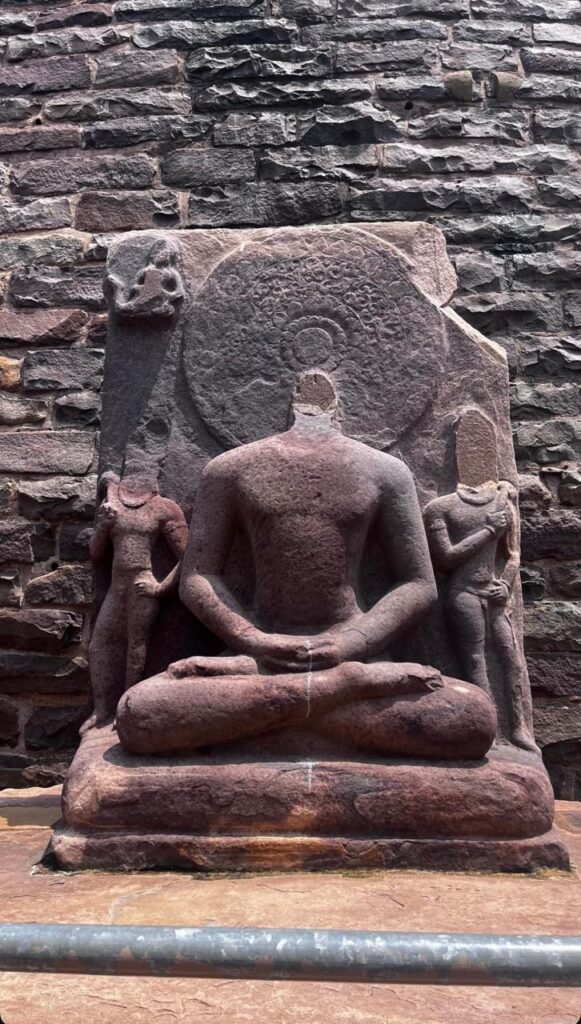
Sanchi is one of the oldest and best-preserved Buddhist complexes in India. Emperor Ashoka commissioned the original stupa in the 3rd century BCE. Later dynasties expanded the site over many centuries.
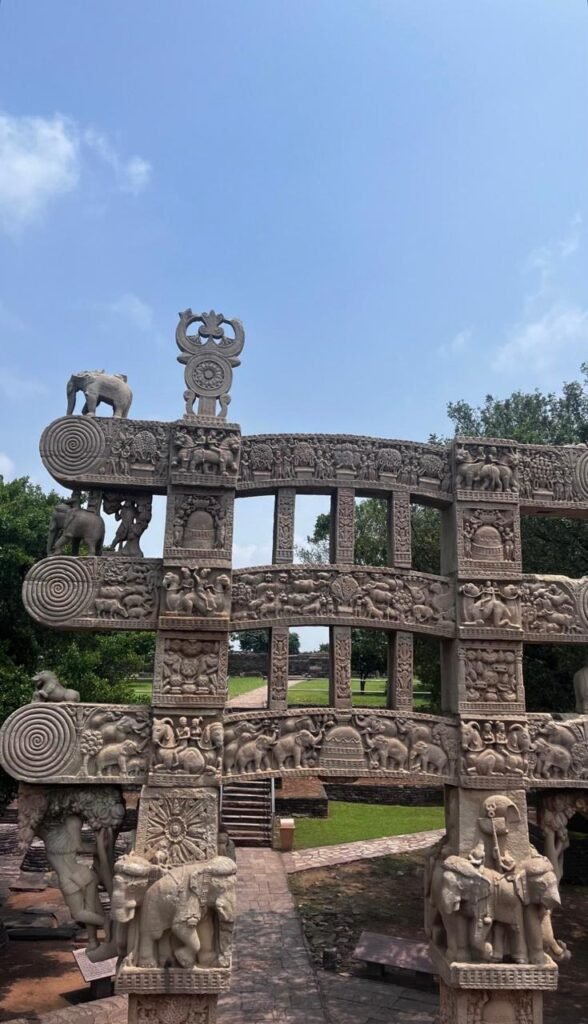
The Great Stupa (Stupa 1) is a solid hemispherical dome, ringed by a stone railing and entered through four carved gateways. Those gateways, called toranas, are the highlight. They’re covered in scenes from the Buddha’s previous lives and from his own life story.
Look closely at how the Buddha appears. Early Buddhist art avoided showing him in human form. Instead, carvers used symbols like a wheel, a footprint, an empty throne, or a bodhi tree.
Sanchi is quiet and unhurried. The hilltop setting, with the stupas catching the late afternoon light, is one of the most peaceful spots in central India.
Practical notes:
- Allow 2–3 hours for the main site.
- The nearby Udayagiri Caves, roughly 10 km away, make an easy add-on for heritage lovers.
- Sanchi is a small town, so most travelers stay in Bhopal.
3. Rock Shelters of Bhimbetka
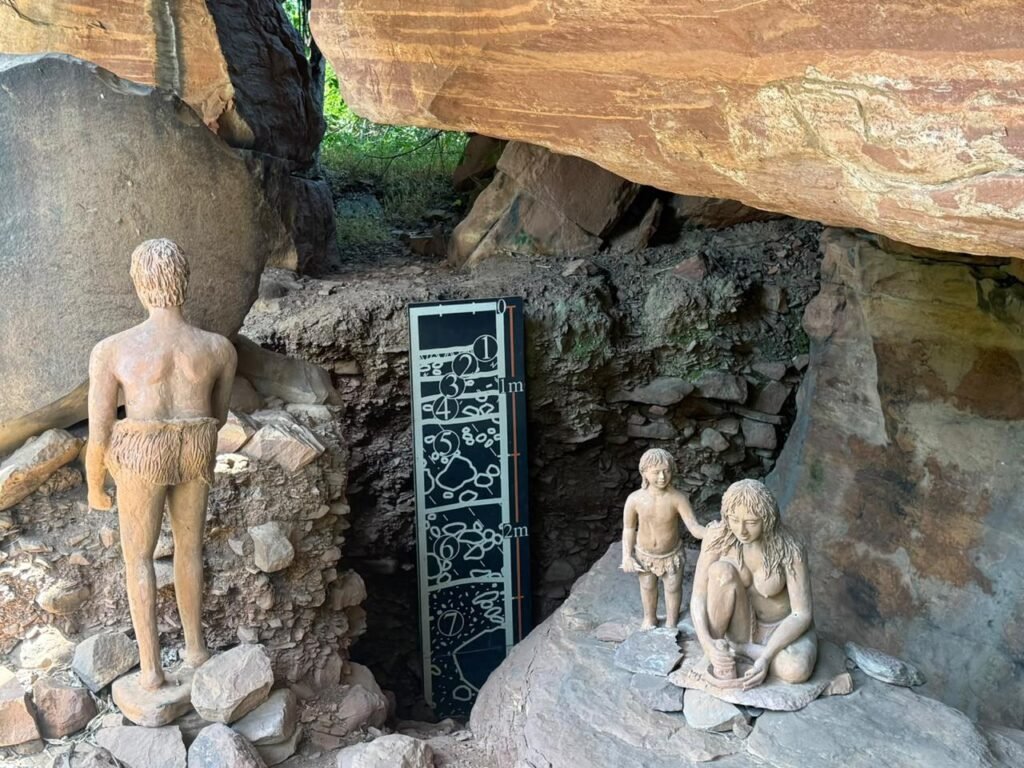
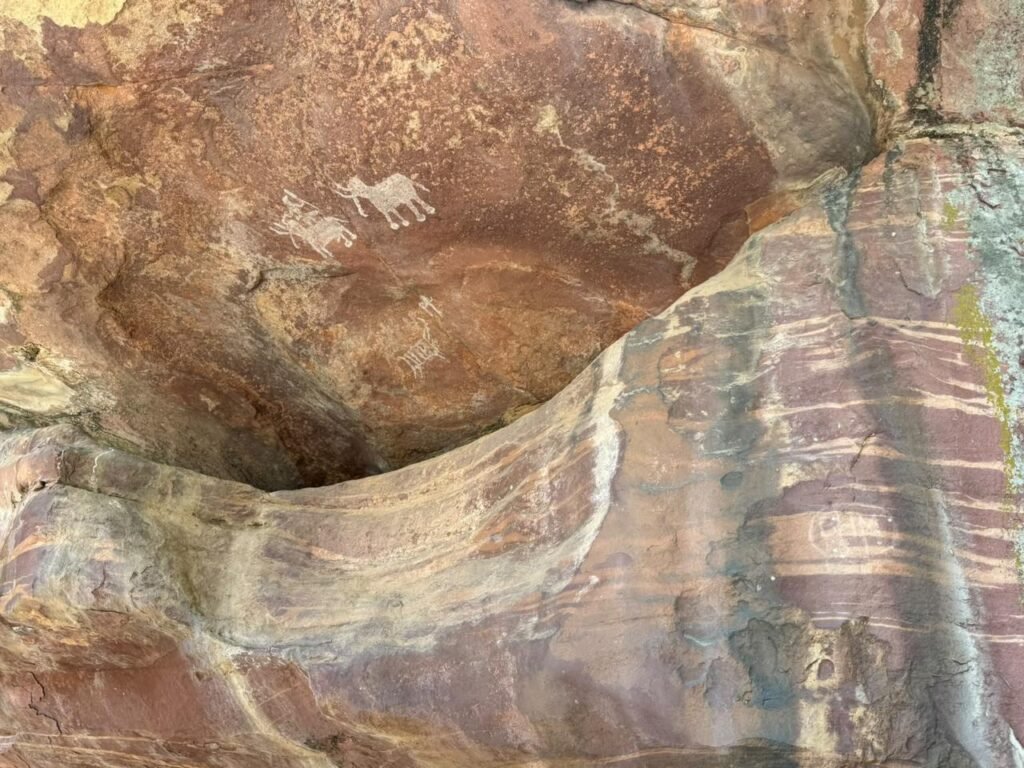
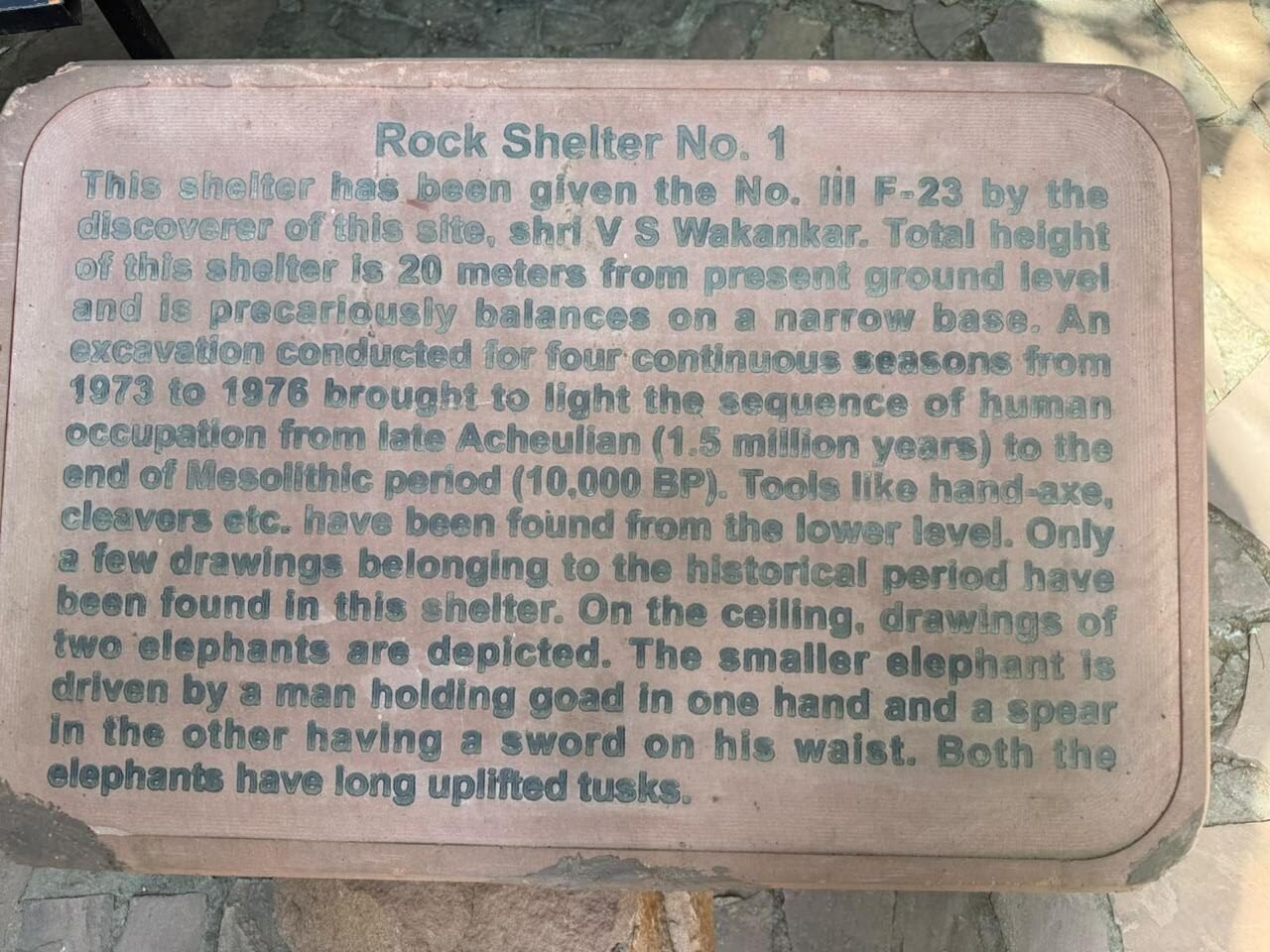
Bhimbetka is the oldest of the three sites by a huge margin. Its sandstone shelters sit in forested hills, and they hold rock paintings made by people who lived here long before any city or temple existed.
The paintings show hunting scenes, animals, dancers, and daily life. They span many periods, from prehistoric times to the medieval era. Sources differ on exactly how far back the oldest art goes, so treat any single date you read with care.
The shelters are a short drive from Bhopal, in a quiet forest setting. The walk between shelters is pleasant, and the site feels remote despite being close to the city.
Practical notes:
- Allow 2–3 hours.
- Wear comfortable shoes. Paths are uneven.
- Bring water, especially outside winter.
Entry Fees for the UNESCO Sites in Madhya Pradesh
The Archaeological Survey of India (ASI) runs ticketing at all three sites.
| Site | Indian nationals | SAARC & BIMSTEC nationals | Other foreign nationals |
|---|---|---|---|
| Khajuraho (Western Group) | ₹40 | ₹40 | ₹600 |
| Sanchi | ₹40 | ₹40 | ₹600 |
Children under 15 enter free. Nepal, Sri Lanka, and Bhutan are all in the SAARC and BIMSTEC groups, so visitors from those countries pay the lower rate.
Bhimbetka’s fee is small, but published figures vary between sources, so confirm it at the gate or with your tour operator.
Important: In September 2026, the ASI published draft rules proposing a revised fee framework for ticketed monuments. Khajuraho’s Western Group, Sanchi, and Bhimbetka all appear in its top category. The draft isn’t final, but fees could change. Always confirm current rates before you go.
How to Get Between the Sites
Bhopal as your base: Sanchi and Bhimbetka are each about 45 km from Bhopal, roughly an hour’s drive. You can see both on separate half-days or combine them in a long day. Bhopal has an airport (Raja Bhoj, BHO) and is a major rail hub with fast trains from Delhi.
Getting to Khajuraho: Khajuraho is far from Bhopal, roughly 350–400 km by road. Khajuraho has its own small airport, though flight availability changes, so check current schedules. Jhansi, a major rail hub about 175 km away, is another common gateway.
Private car and driver: For this circuit, a private vehicle is usually the most practical choice. Distances are long, and public transport between sites is limited.
Where to Stay
Bhopal: The best base for Sanchi and Bhimbetka. It offers the widest range of hotels, from budget to heritage-style stays, and good restaurants.
Khajuraho: Hotels cluster near the Western Group, so you can walk to the temples. Options range from simple guesthouses to resort-style properties.
Orchha (optional): If you extend your trip, Orchha’s riverside palaces and temples are a memorable stop between Khajuraho and Jhansi.
What to Eat
Madhya Pradesh is very vegetarian-friendly, which suits many Indian and international travelers alike.
- Poha and jalebi – A classic Madhya Pradesh breakfast, sweet and savory in one plate.
- Bhopali cuisine – Bhopal’s old Mughlai-influenced food includes rich kebabs and curries, a legacy of its Nawabi past.
- Dal bafla – Baked wheat balls with lentils and ghee, a regional staple.
Sample 4-Day Itinerary
Day 1 – Bhopal and Sanchi: Arrive in Bhopal. Drive to Sanchi for the stupas and gateways, with Udayagiri Caves if time allows. Return to Bhopal for the night.
Day 2 – Bhimbetka and travel: Visit Bhimbetka’s rock shelters in the morning. Then travel toward Khajuraho by flight or long drive.
Day 3 – Khajuraho: Spend the morning at the Western Group with a guide. Visit the Eastern Group in the afternoon. Optionally catch the evening light-and-sound show.
Day 4 – Orchha or departure: Extend to Orchha for palaces and riverside temples, or fly out from Khajuraho.
For a slower pace, add a fifth day. It makes the travel between sites far more comfortable.
Connect Sanchi to the Buddhist Circuit: India, Nepal, and Sri Lanka
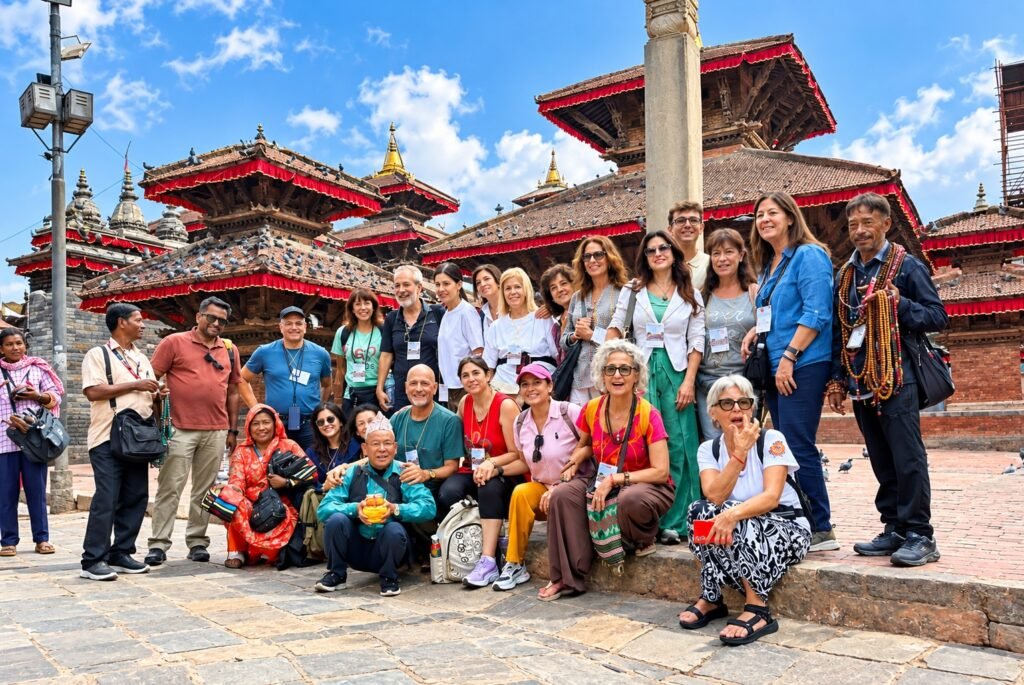
Sanchi is far more than a standalone stop. It’s an important link in the story of how Buddhism spread across Asia.
Ashoka’s reign helped carry Buddhism far beyond its homeland. According to Sri Lankan tradition, his son Mahinda and daughter Sanghamitta took the faith to Sri Lanka. Ashoka’s wife Devi is said to have come from nearby Vidisha. That’s why Sanchi, Udayagiri, and the surrounding area matter so much to Buddhist history.
That makes Sanchi a natural starting point for a longer Buddhist circuit:
- Within India: Bodh Gaya (where the Buddha attained enlightenment), Sarnath near Varanasi (where he gave his first sermon), and Sanchi in Madhya Pradesh.
- Nepal: Lumbini, the Buddha’s birthplace, plus Kathmandu Valley’s monasteries and stupas. See our Kathmandu travel guide for planning.
- Sri Lanka: Anuradhapura and Mihintale, where Buddhism took root on the island.
Ghum India Ghum can arrange this as one connected trip, with a single point of contact for ground arrangements in India, Nepal, and Sri Lanka. If you’re an agency looking for a DMC for Nepal and Sri Lanka alongside India, this circuit is one of the strongest routes we build.
Madhya Pradesh Travel Tips for Indian Travelers
Indian nationals pay just ₹40 at Khajuraho and Sanchi, which makes this one of the best-value heritage trips in the country. Trains connect Bhopal and Jhansi to most major cities, and a long weekend covers Sanchi and Bhimbetka easily. For Khajuraho, plan at least two extra days.
Is Madhya Pradesh Safe for Tourists?
Madhya Pradesh is generally safe for tourists, and its heritage sites are well-visited and well-managed. Standard precautions apply. Keep valuables secure, use licensed guides and drivers, and carry water and sun protection, particularly outside winter.
Frequently Asked Questions
A. Three: Khajuraho, Sanchi, and Bhimbetka. Many others are on the tentative list but aren’t yet inscribed.
A. Four to five days covers all three comfortably, including travel time.
A. November to February, when weather is mild and sightseeing is comfortable.
A. Khajuraho and Sanchi are ₹40 for Indians and ₹600 for other foreign nationals. Fees may change, so confirm before you go.
A. Yes. Sanchi fits naturally into a wider Buddhist circuit through India, Nepal, and Sri Lanka.
A. Yes, especially at Khajuraho and Sanchi, where the carving and symbolism reward explanation.
Plan Your Trip
This guide to the UNESCO sites in Madhya Pradesh gives you the essentials for planning a heritage trip through central India. These three sites reward travelers who slow down, whether you’re tracing Ashoka’s legacy at Sanchi or reading Khajuraho’s stories in stone.
If you’d rather have the logistics handled, Ghum India Ghum builds custom India itineraries for travelers from the US, Europe, and India. Our team has more than 15 years of experience and is recognized by the Ministry of Tourism, Government of India. We also have offices in Milan and the USA, so you get direct, time-zone-friendly support before you go.
Want to combine Madhya Pradesh with Delhi, Agra, and Nepal? Explore our Golden Triangle Tour with Nepal for an idea of how a multi-country route comes together. Get in touch and we’ll help you build the right route for your time and interests.
