
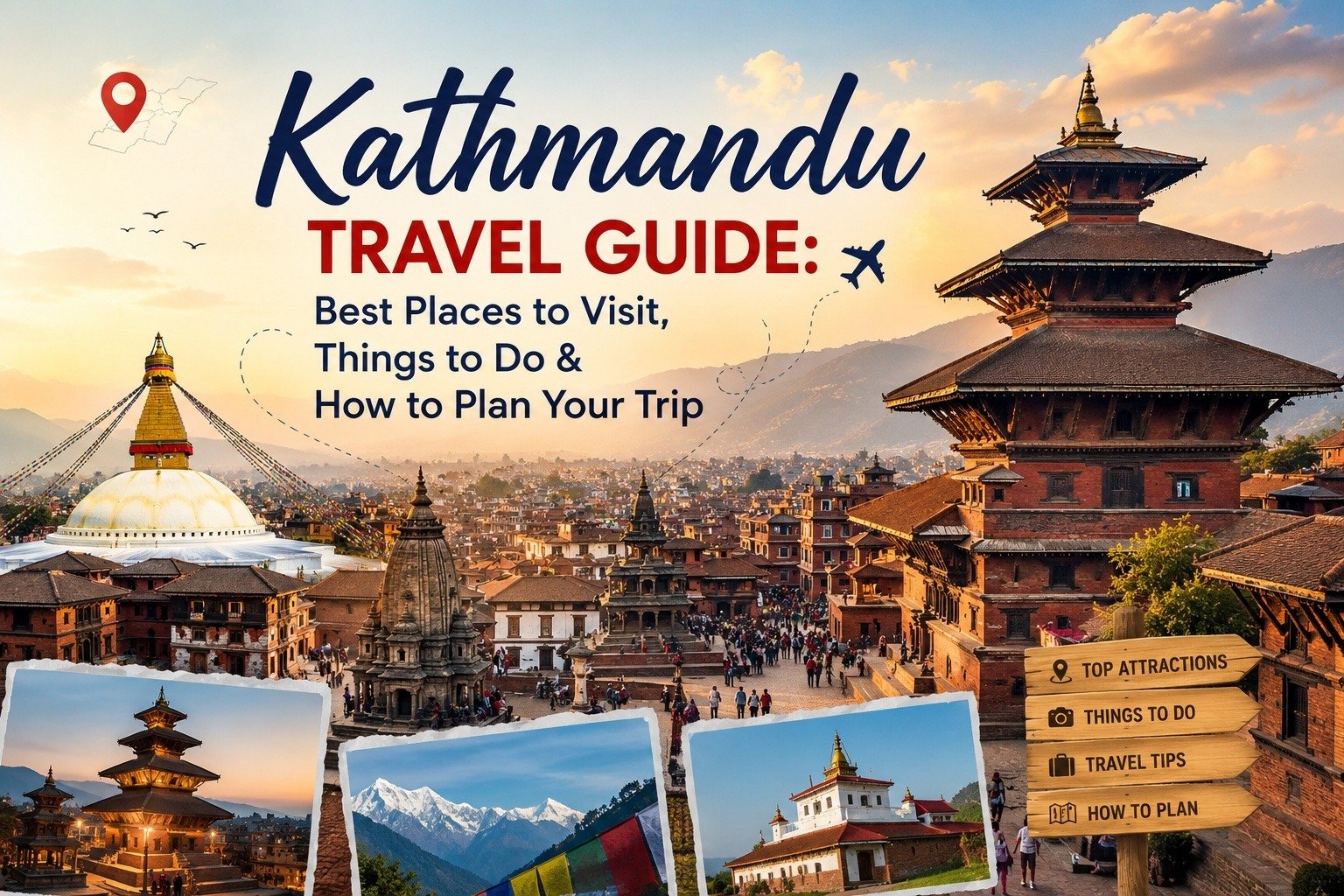

Kathmandu hits you the moment you step off the plane. There’s incense and diesel in the air. Temple bells mix with traffic horns. The Himalayas sit quietly on the horizon, waiting for you to notice them. It’s chaotic, sacred, and unforgettable, often in the same city block.
This Kathmandu travel guide covers everything you need to plan a trip to Nepal. Whether you’re coming from the US, Europe, or India, you’ll find the best time to visit, top attractions, a sample itinerary, visa requirements, safety tips, food to try, and easy day trips beyond the city. By the end of this Kathmandu travel guide, you’ll know how many days to spend here and how to spend them well.
Quick answer: Kathmandu is Nepal’s capital and cultural heart. The best time to visit is October–November or March–May. Most travelers need 3–4 days in the city before heading to the mountains or on to Pokhara or Chitwan. It’s reached by direct or one-stop flights from major hubs in the US, Europe, and India. Most Western and Indian passport holders can get a visa on arrival.
Why Visit Kathmandu
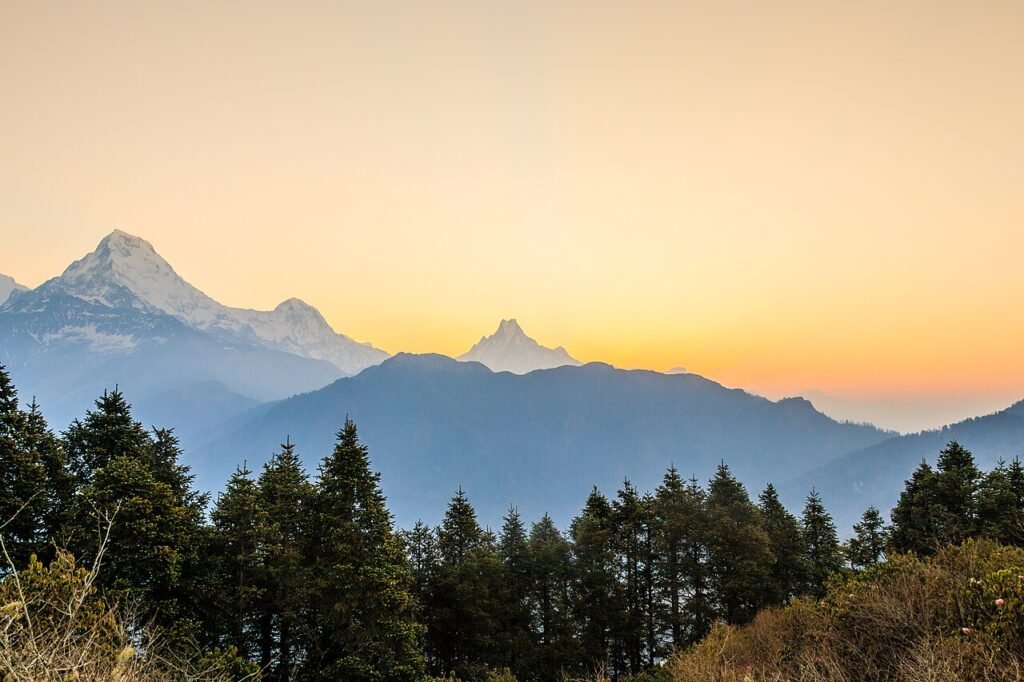
Any good Kathmandu travel guide starts with the same fact: Kathmandu Valley holds seven UNESCO World Heritage Sites. They’re packed into roughly 15 kilometers, a density unmatched almost anywhere else in the world. Kathmandu is also the gateway to the Himalayas. Even if your real goal is trekking to Everest Base Camp or the Annapurna Circuit, you’ll pass through here first. Most travelers end up loving the city enough to want extra time in it anyway.
Beyond the temples and mountain views, Kathmandu has a genuine backpacker-meets-pilgrim energy. You’ll find Tibetan monks, European trekkers restocking on gear, and Indian pilgrims visiting Pashupatinath. Locals go about daily life, and everyone shares the same narrow streets.
Best Time to Visit Kathmandu
One of the most common questions in any Kathmandu travel guide is when to go. Here’s the honest breakdown by season.
October to November (peak season): Clear skies, mild temperatures (10–25°C / 50–77°F), and the best mountain visibility of the year. This is also when Nepal’s biggest festivals, Dashain and Tihar, take place. Book flights and hotels early.
March to May (spring): Warm days and blooming rhododendrons. Trekking conditions are good, though visibility can be slightly hazier than autumn.
December to February (winter): Cold, especially at night, but far fewer crowds. Mornings are clear and crisp. Good for travelers who don’t mind bundling up.
June to September (monsoon): Heavy rain and landslide risk in mountain areas. Visibility drops, and flights get delayed more often. This is the cheapest time to visit but the least comfortable for sightseeing or trekking.
For most US and European travelers with limited vacation time, October–November offers the best balance. You get good weather, clear views, and festival timing all at once.
How Many Days Do You Need in Kathmandu?
Three to four days is enough to see the major sites at a comfortable pace. If you’re combining Kathmandu with Pokhara, Chitwan National Park, or a short trek, plan differently. Spend 2 days in Kathmandu at the start and 1–2 more at the end, before your flight home. This also builds in a buffer for weather delays, which are common in Nepal’s domestic flight network.
Top Things to Do in Kathmandu
1. Kathmandu Durbar Square
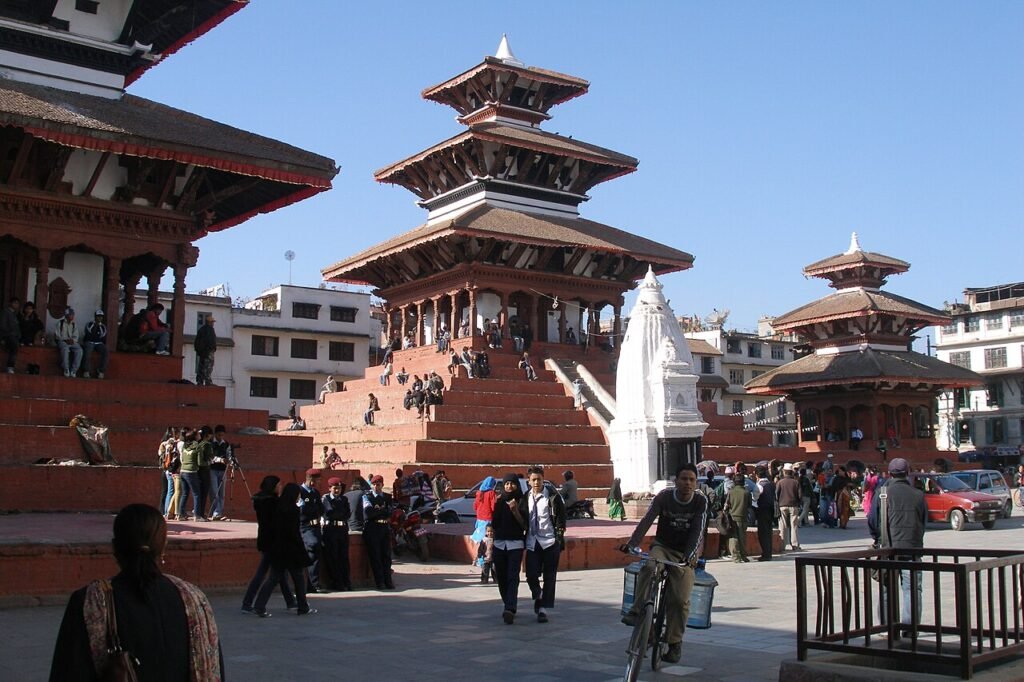
The historic royal palace complex of the old Kathmandu kingdom is packed with pagoda-style temples, courtyards, and centuries-old woodwork. It was badly damaged in the 2015 earthquake. Much of it has since been carefully restored. Go early morning to avoid both crowds and heat.
2. Swayambhunath (the Monkey Temple)
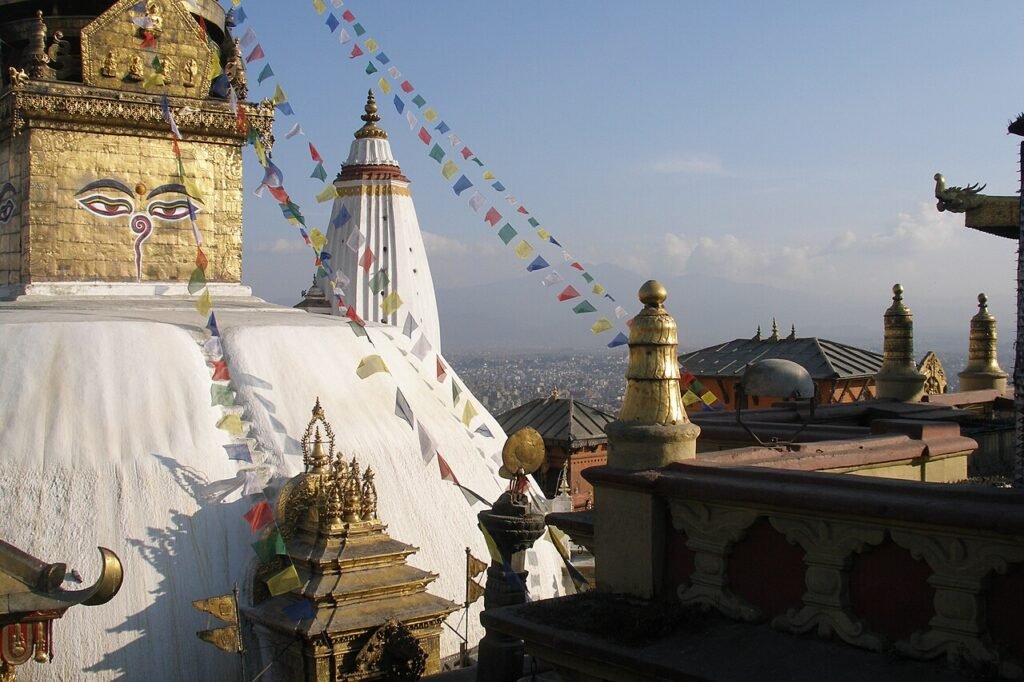
This Buddhist stupa sits on a hilltop overlooking the entire valley. It’s one of the oldest religious sites in Nepal. Climb the 365 stone steps for one of the best panoramic views of Kathmandu. Expect resident monkeys along the way.
3. Boudhanath Stupa
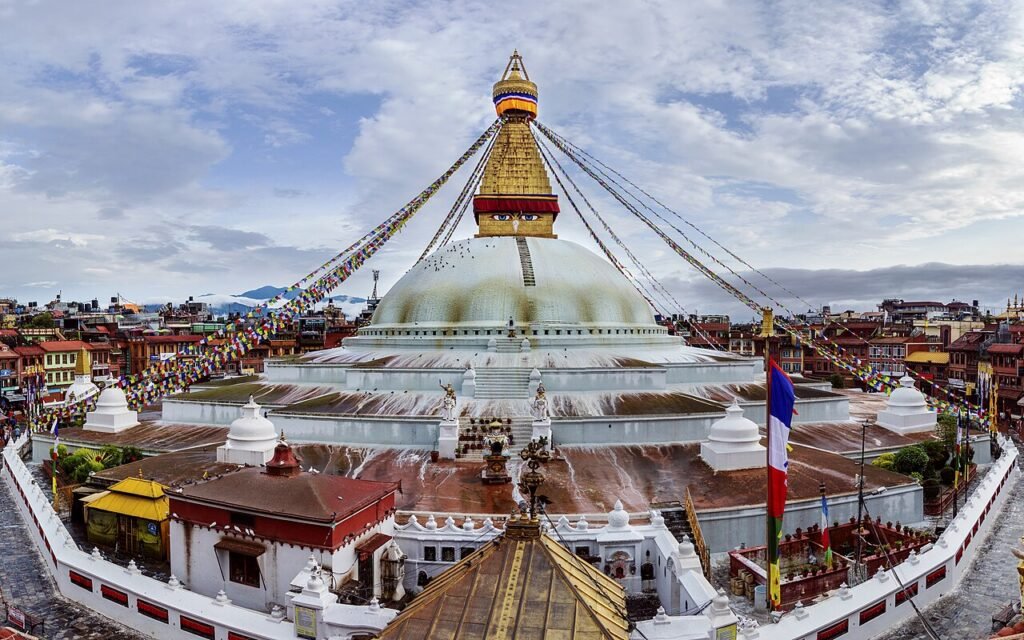
This is one of the largest stupas in the world and the spiritual center of Nepal’s Tibetan Buddhist community. Walk clockwise around it at sunset. Hundreds of maroon-robed monks and locals do the same, spinning prayer wheels as they go. The rooftop cafés circling the stupa are ideal for watching the ritual unfold over a cup of Nepali tea.
4. Pashupatinath Temple
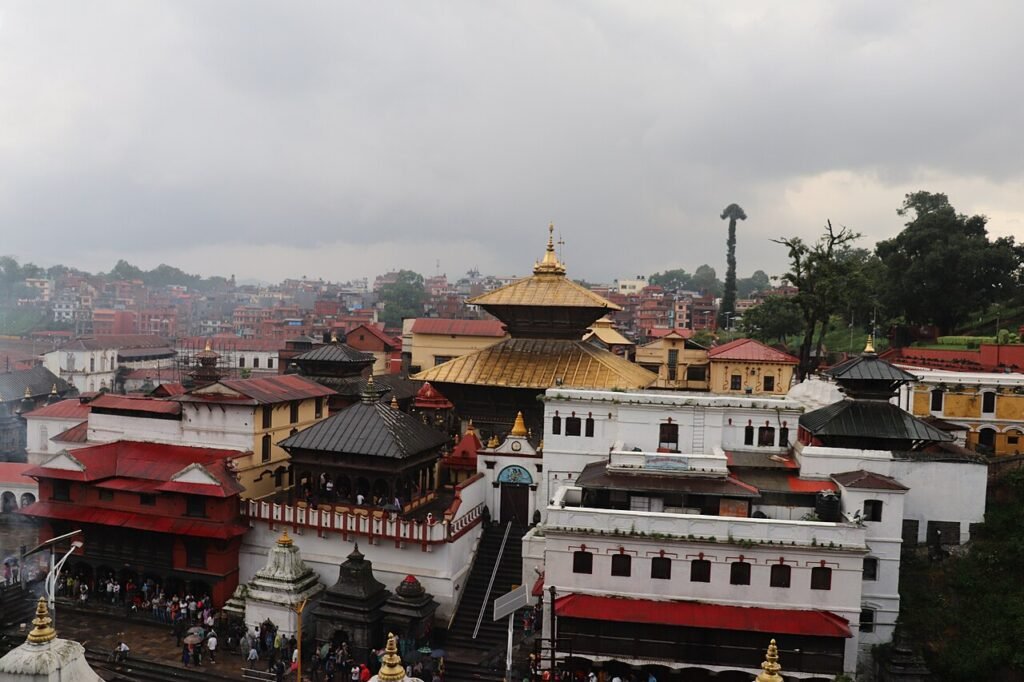
This major Hindu pilgrimage site sits on the banks of the Bagmati River. It’s one of the holiest Shiva temples in the world. Non-Hindus cannot enter the main temple. You can still view the complex, including open-air cremation ceremonies, from across the river. This is a profound and sometimes intense experience. Approach it with quiet respect rather than as a typical sightseeing stop.
5. Thamel
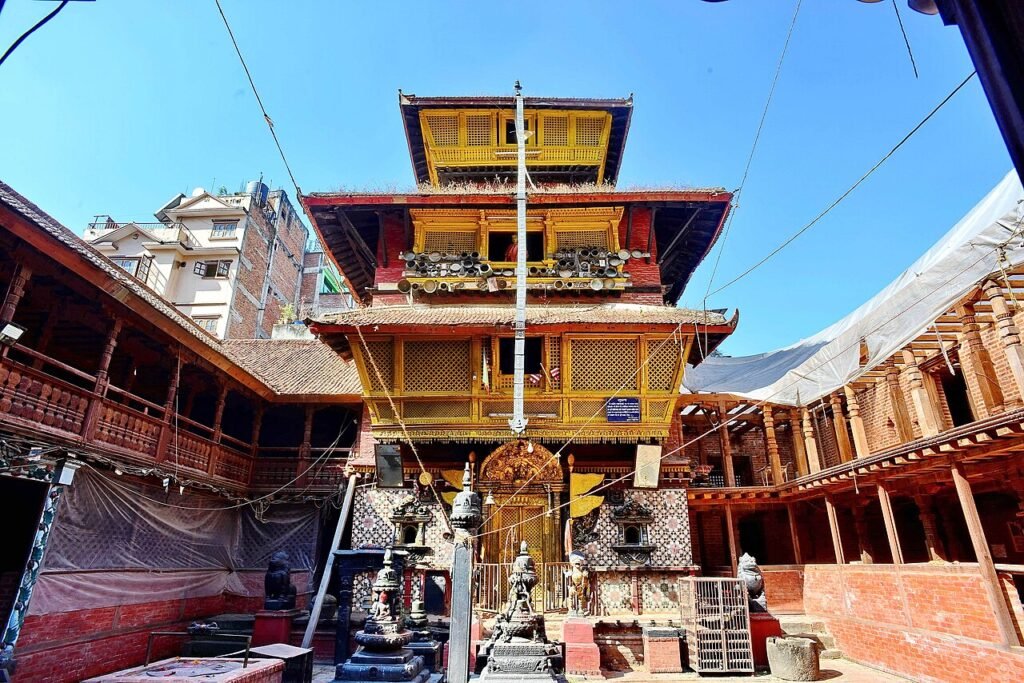
Thamel is Kathmandu’s tourist and trekking hub. Its narrow lanes are packed with gear shops, bookstores, rooftop restaurants, and bars. It’s touristy, but it’s also the best place to organize a trek or buy last-minute cold-weather gear. It’s also a great spot to just people-watch with a coffee.
6. Patan (Lalitpur)
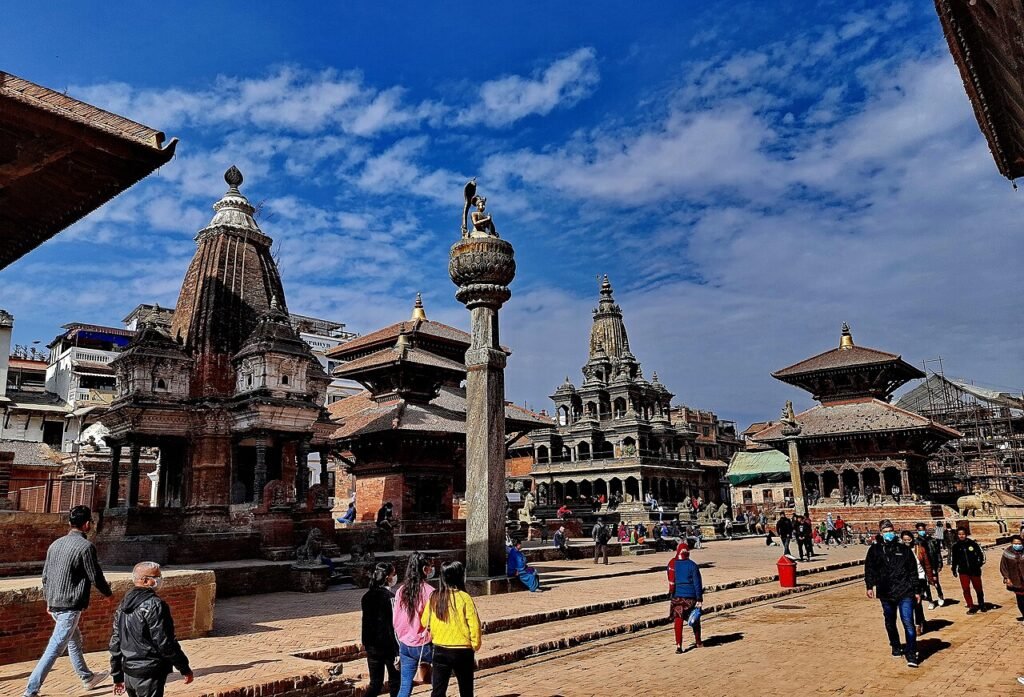
Patan is technically its own city, just across the Bagmati River. Its Durbar Square is arguably more beautiful and less crowded than Kathmandu’s. The city is known for centuries of metalwork and fine art. It’s home to the excellent Patan Museum, one of the best-curated museums in South Asia.
7. Garden of Dreams
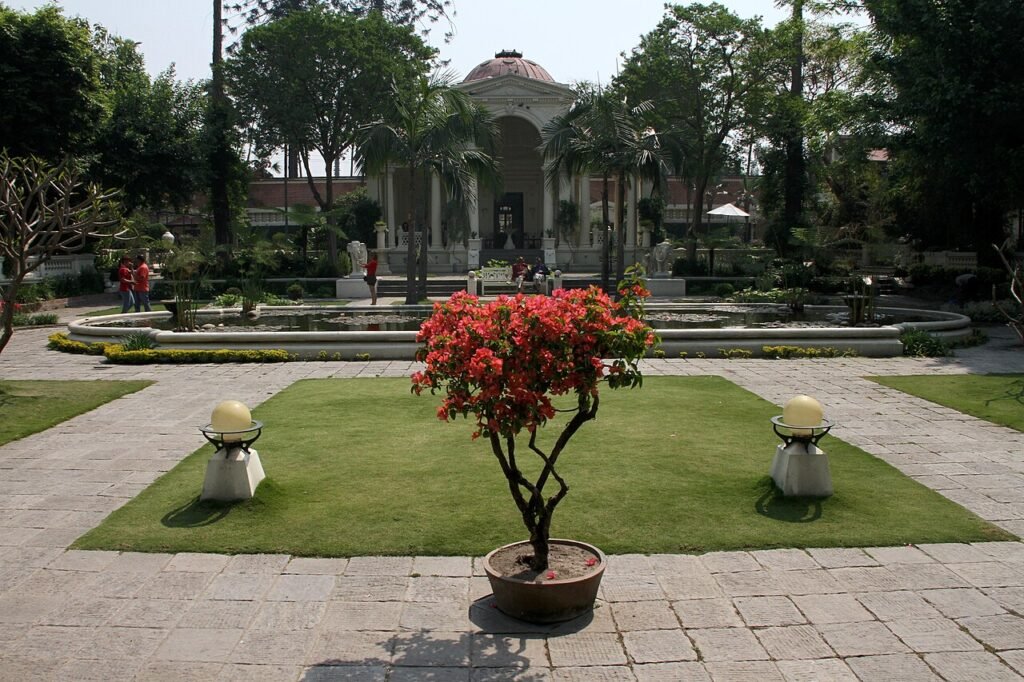
This is a quiet, neoclassical walled garden in the middle of the city. It’s a good spot to decompress between temple visits, with a café tucked inside.
8. Bhaktapur (day trip)
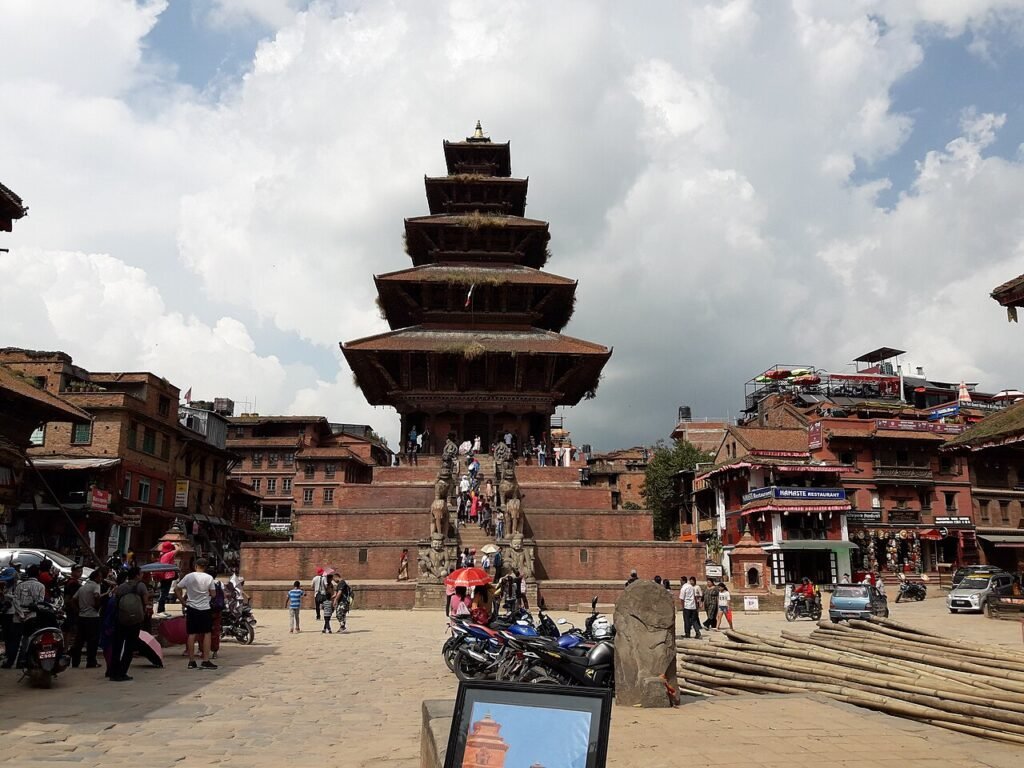
Bhaktapur sits about 45 minutes from central Kathmandu. It feels like stepping into a preserved medieval city, with fewer vehicles and more traditional pottery squares. It has some of the best-preserved Newari architecture in the valley. Many travelers call it their favorite single stop in the whole valley. Budget half a day minimum.
Sample 3-Day Kathmandu Itinerary (From This Kathmandu Travel Guide)
Day 1: Kathmandu Durbar Square in the morning, lunch in Thamel, then Swayambhunath at sunset for valley views.
Day 2: Boudhanath Stupa in the morning. Arrive early for the monks’ morning ritual walk. Visit Pashupatinath Temple midday, then explore Thamel’s shops and cafés in the afternoon.
Day 3: A full-day trip to Bhaktapur and Patan, ending with dinner back in Kathmandu.
If you have a fourth day, add Nagarkot. It’s a hill station about an hour outside the city, with some of the best sunrise Himalayan views accessible without trekking.
Day Trips from Kathmandu
- Nagarkot – Sunrise views of the Himalayan range, including Everest on clear days. Ideal if you want mountain views without committing to a multi-day trek.
- Bhaktapur – Medieval architecture and pottery squares (see above).
- Dhulikhel – A quieter alternative to Nagarkot, with hiking trails and valley views.
- Chitwan National Park – A 5–6 hour drive or short flight away. Worth 2 days if you want jungle safaris and a chance to spot rhinos.
How to Get to Kathmandu
Kathmandu’s Tribhuvan International Airport (KTM) is the country’s main international gateway.
- From the US: No direct flights currently operate. Most travelers connect through Doha, Dubai, Istanbul, Delhi, or Bangkok.
- From Europe: Connections typically run through Doha, Dubai, or Delhi. Total travel time runs roughly 12–16 hours depending on layovers.
- From India: Direct flights connect Kathmandu with Delhi, Mumbai, Kolkata, Varanasi, and Bengaluru. It’s often under 2 hours in the air, making Nepal one of the easiest international trips for Indian travelers.
Visa Requirements
- US and most European citizens: Visa on arrival is available at Tribhuvan International Airport. You’ll need a passport valid for at least 6 months and a passport photo. Bring payment in cash (USD) or card for the visa fee, which is tiered by duration (15, 30, or 90 days).
- Indian citizens: No visa is required. A valid passport or voter ID is sufficient for entry. This makes Nepal one of the simplest international destinations for Indian travelers.
Always check current requirements before you travel, since visa policies can change.
Is Kathmandu Safe?
Kathmandu is generally safe for international travelers, including solo and female travelers. Normal city precautions still apply. Watch for pickpocketing in crowded tourist areas like Thamel. Negotiate taxi fares before you get in, or use a ride app instead. Be cautious walking alone late at night in poorly lit areas. Air quality can be poor, particularly in spring, so travelers with respiratory sensitivities may want to pack a mask. If you’re heading to altitude afterward for trekking, read up on altitude sickness prevention. It affects people unpredictably, regardless of fitness level.
What to Eat in Kathmandu
- Momos – Nepali dumplings, steamed or fried, filled with buffalo, chicken, or vegetables. Available on nearly every street corner.
- Dal Bhat – The Nepali staple: lentil soup, rice, vegetable curry, and pickles, often with unlimited refills. It’s what powers most trekking guides up mountains. Worth trying at least once, even if you’re not trekking.
- Newari cuisine – Look for Newari specialty restaurants. Try choila (spiced grilled meat) and yomari (a sweet steamed dumpling), both unique to the valley’s indigenous Newar community.
- Butter tea and Nepali chiya – Tibetan-style butter tea near Boudhanath. Sweet, spiced Nepali chiya (tea) is everywhere else.
Where to Stay
Thamel is the most convenient base for first-time visitors. It’s walkable and well-connected, with options from budget guesthouses to boutique hotels. For a quieter stay with valley views, consider Boudha or the areas near Patan. Both are a short taxi ride from the main sights but noticeably calmer at night.
Frequently Asked Questions
A: Yes. Kathmandu Valley’s temples, museums, and old cities form a complete cultural destination on their own. This holds true whether or not you plan to trek in the mountains.
A: Three to four days covers the major sites comfortably, including a day trip to Bhaktapur.
A: Yes, but it’s available on arrival at Tribhuvan International Airport for most nationalities, including US and EU citizens.
A: No. Indian passport or voter ID holders can enter Nepal without a visa.
A: Generally yes, with standard precautions around late-night travel and crowded tourist areas. Many solo female travelers visit Nepal each year without incident.
A: October–November offers the clearest skies and best mountain visibility. March–May is a solid second option.
A: Yes. Direct flights connect Kathmandu with several Indian cities. Many travelers combine a Nepal trip with a broader India itinerary in a single visit.
Planning Your Trip
This Kathmandu travel guide should give you what you need to plan with confidence. Kathmandu also rewards travelers who give it a little time and an open mind. It’s not a polished destination, and that’s exactly the point. Between the temples, the mountain views, and the way daily life sits alongside centuries-old ritual, it tends to stay with people long after they’ve left.
If you’d rather have the logistics handled, Ghum India Ghum can help. We put together custom Nepal and India itineraries for travelers from the US, Europe, India, or any part of the world, with on-the-ground support throughout your trip. We also have offices in Milan and the USA, so you get direct, time-zone-friendly support before you go.
If you want to see Kathmandu alongside India’s most iconic sights in a single trip, check out our Golden Triangle Tour with Nepal. It combines Delhi, Agra, and Jaipur with Kathmandu in one seamless itinerary. Get in touch, and we’ll help build a Kathmandu itinerary suited to your time and interests.
