

Planning a trip to Nepal starts with three decisions. Pick your season. Set your budget. Choose your route – mountains, culture, or both. This guide walks you through every step, from visas to sample itineraries, so you can book with confidence.
Nepal rewards travelers who plan ahead. The country packs eight of the world’s ten highest peaks, ancient temple squares, and jungle safaris into one small stretch of the Himalayas. But logistics matter here. Altitude, weather, and permits can make or break a trip. Below, we break down exactly how to plan a trip to Nepal step by step.
How to Plan a Trip to Nepal Around the Right Season
Nepal has four seasons. Each one changes what you can do.
Best Time to Visit Nepal for Trekking
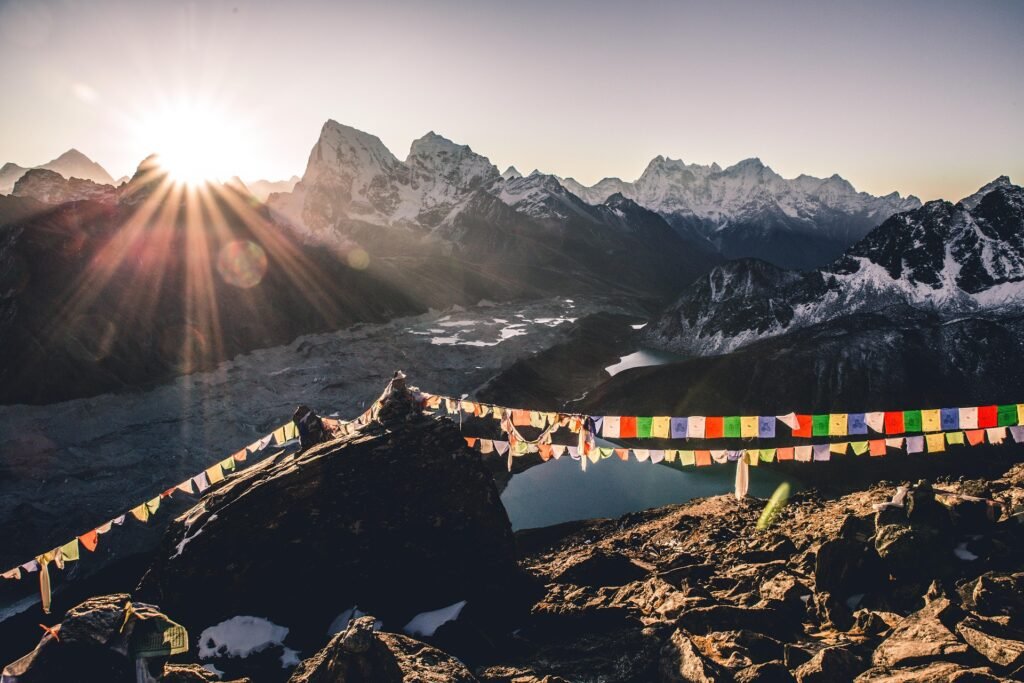
Choose October to November. Skies stay clear. Mountain views stay sharp. Temperatures stay mild in the lower valleys.
March to May works too. Rhododendrons bloom across the hills. Visibility stays good, though afternoon haze can build up by late spring.
Best Time to Visit Nepal for Culture and Cities
Visit Kathmandu, Bhaktapur, and Patan any time of year. Winter (December to February) brings cold mornings but thin crowds and low hotel rates.
When to Avoid
Skip June through September if you plan to trek. The monsoon brings heavy rain, leech-heavy trails, and frequent flight delays to mountain airstrips like Lukla.
How to Plan a Trip to Nepal on Your Budget
Nepal suits every budget type. Here’s what real costs look like.
Budget Travelers ($40–60 per day)
Stay in teahouses on trek routes. Eat local dal bhat. Travel by local bus. This range covers a room, three meals, and basic transport.
Mid-Range Travelers ($80–150 per day)
Book 3-star hotels in cities. Add a private car with driver. Include one or two guided day trips.
Comfort and Luxury Travelers ($200+ per day)
Stay in boutique or 5-star properties in Kathmandu and Pokhara. Add private guides, mountain flights, and helicopter transfers to trek start points.
What Drives Up Cost
- Permits. Trekking regions like Annapurna and Everest require paid permits (TIMS card, ACAP permit, Sagarmatha National Park fee).
- Domestic flights. Kathmandu to Lukla or Pokhara adds $150–250 round trip.
- Peak season surcharges. Hotels and flights cost 20–30% more in October–November.
How to Plan a Trip to Nepal — Visa and Entry Requirements
Most nationalities get a visa on arrival at Tribhuvan International Airport in Kathmandu.
For US Citizens
Bring a passport valid for six months. Bring one passport photo. Pay the visa fee in cash (USD) or by card at the airport kiosk.
For EU Citizens (Including Italy)
The same on-arrival process applies. EU passport holders don’t need a pre-approved visa for tourist stays.
For Indian Citizens
Indian nationals don’t need a visa to enter Nepal. A valid passport or voter ID card is enough at land borders and airports.
Visa Fees by Duration
- 15 days: $30
- 30 days: $50
- 90 days: $125
Carry exact cash where possible. Card payment machines at the airport sometimes go offline.
How to Plan a Trip to Nepal — Best Places to Visit
Nepal packs cities, temples, lakes, and mountains into a small area. Here are the places that belong on most first-time itineraries.
Kathmandu Valley
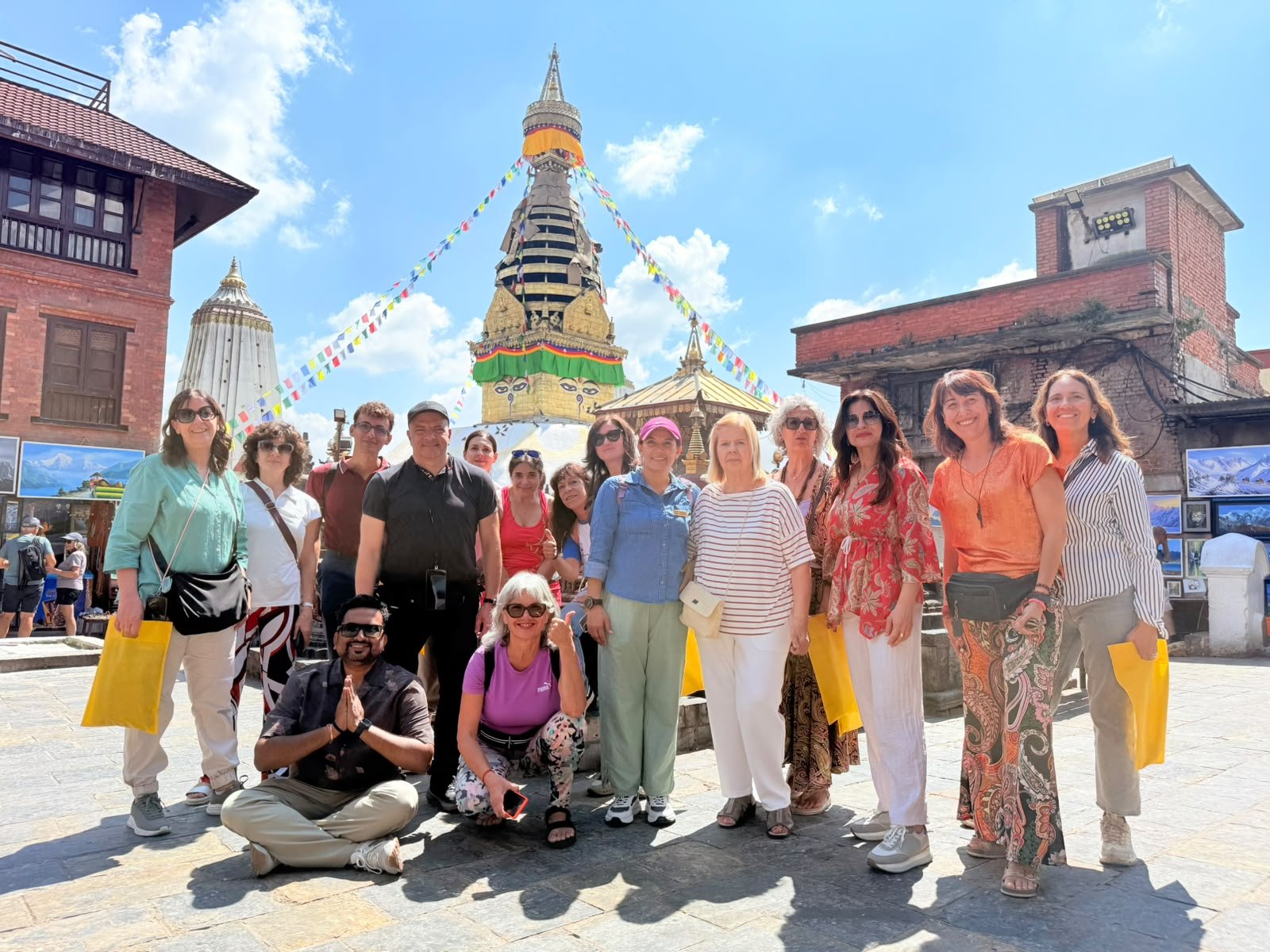
Start your trip in Kathmandu. Visit Kathmandu Durbar Square for centuries-old palaces and temples. Walk through Swayambhunath (the Monkey Temple) for hilltop views over the city. Visit Boudhanath Stupa, one of the largest Buddhist stupas in the world, at sunrise or sunset when monks walk the kora.
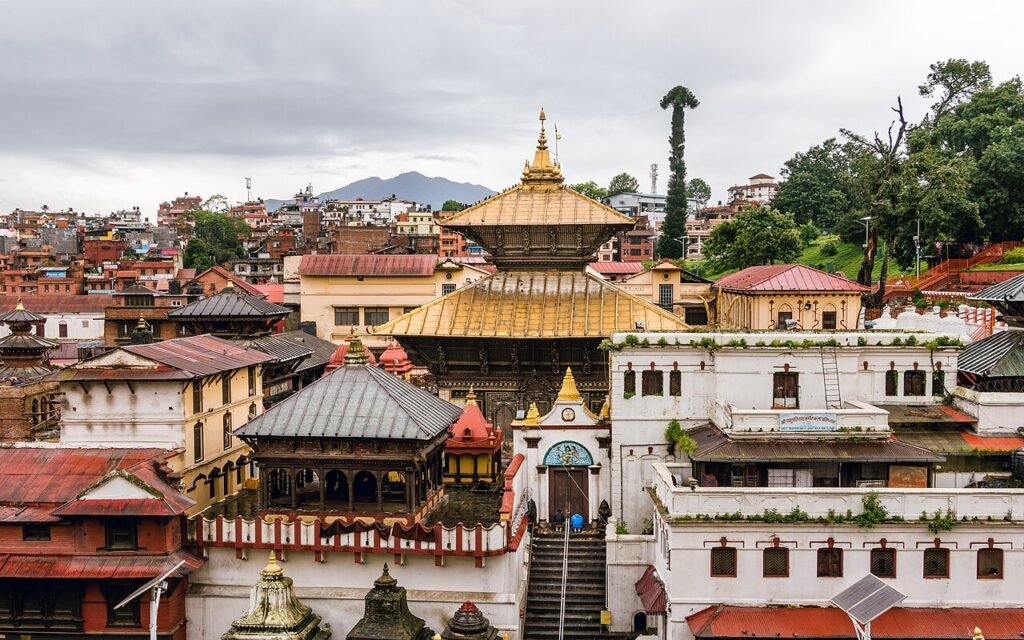
Visit Pashupatinath Temple on the banks of the Bagmati River. This temple ranks among the holiest Shiva temples in the world and draws Hindu pilgrims from Nepal, India, and beyond. Non-Hindus can’t enter the main temple, but the surrounding ghats, cremation sites, and resident sadhus are open to all visitors and offer a rare window into Hindu ritual life.
Bhaktapur
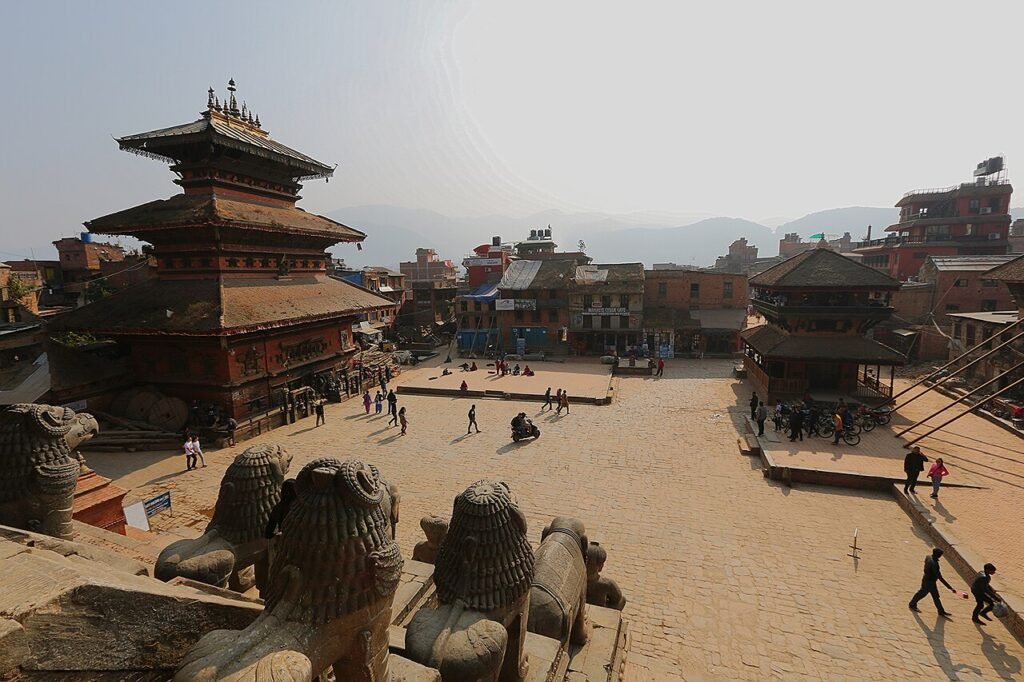
Visit Bhaktapur as a half-day or full-day trip from Kathmandu. This ancient city holds Nepal’s best-preserved medieval Durbar Square, with far fewer crowds and less traffic noise than Kathmandu’s own square. Walk through Bhaktapur Durbar Square to see the 55-Window Palace and the Golden Gate. Visit Nyatapola Temple, a five-story pagoda and the tallest temple in Nepal. Stop at Pottery Square to watch potters shape clay on foot-powered wheels the way their families have for generations. Try king curd (juju dhau), a local yogurt specialty, from one of the small shops around the old town.
Patan
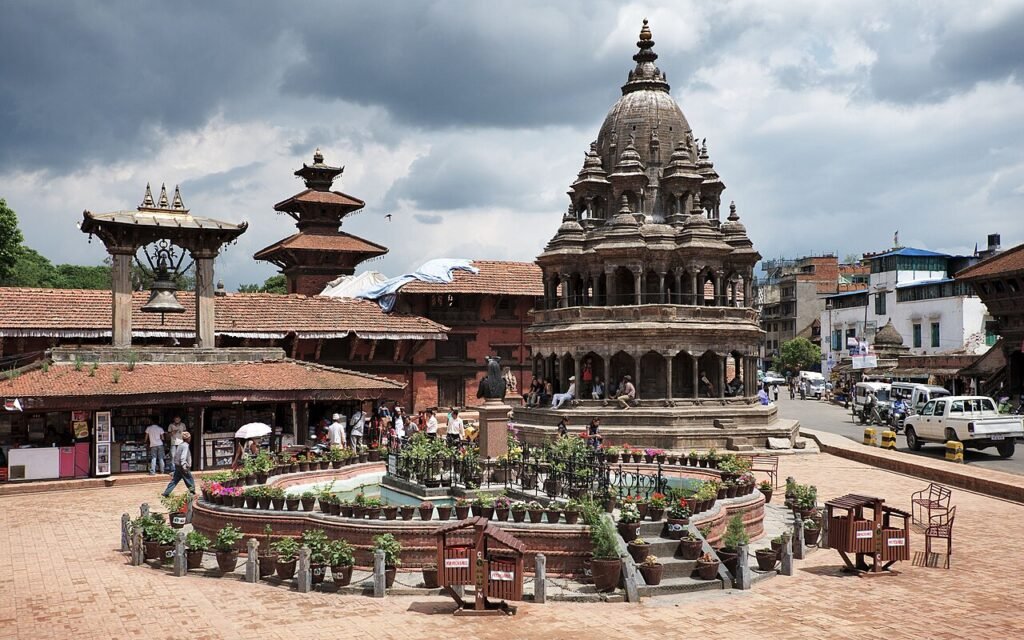
Visit Patan (also called Lalitpur) just across the river from Kathmandu. Walk through Patan Durbar Square, packed more densely with temples and courtyards than either Kathmandu or Bhaktapur’s squares. Visit the Patan Museum inside a former royal palace for the best collection of Nepali bronze and metalwork in the country. Patan also holds a strong tradition of Buddhist Newar craftsmanship, visible in its many courtyard monasteries (bahals) tucked behind the main square.
Pokhara
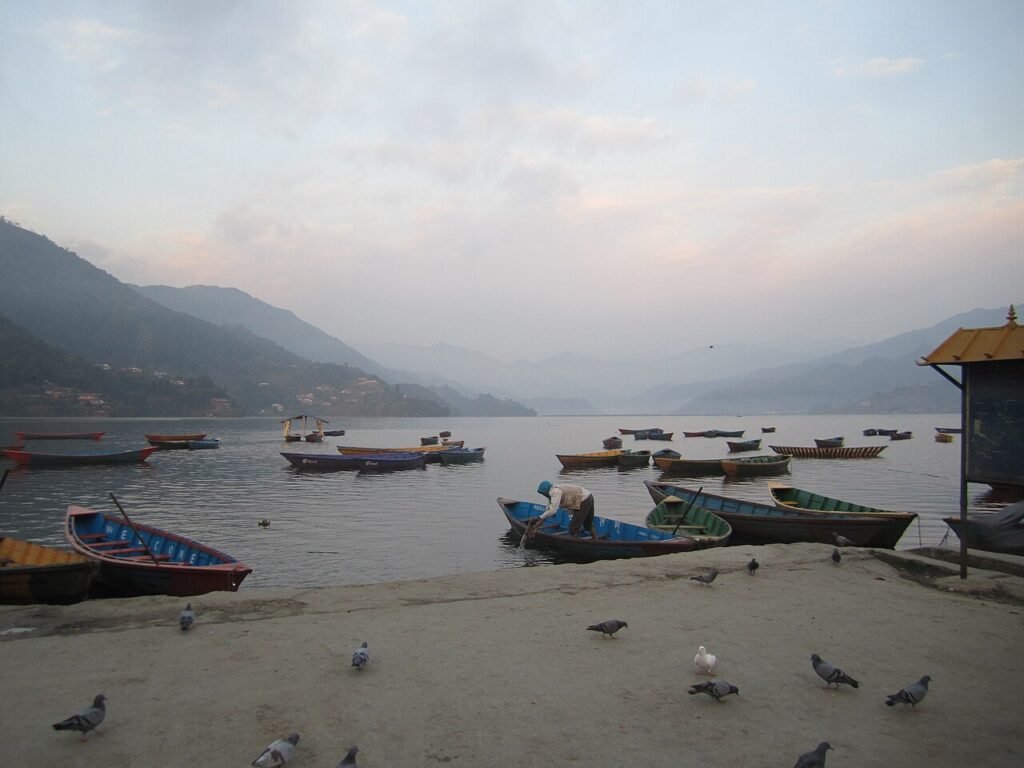
Head to Pokhara after Kathmandu. Row a boat on Phewa Lake with the Annapurna range reflected on the water. Catch sunrise over the Himalayas from Sarangkot. Pokhara also serves as the starting point for the Annapurna Base Camp and Poon Hill treks.
Visit Gupteshwor Mahadev Cave while you’re in Pokhara. This cave holds a Shiva lingam and ranks as one of the most sacred Hindu pilgrimage sites in the region. Walk through the limestone passages to reach the shrine, and continue further in to see the cave’s underground view of Devi’s Falls.
Chitwan National Park
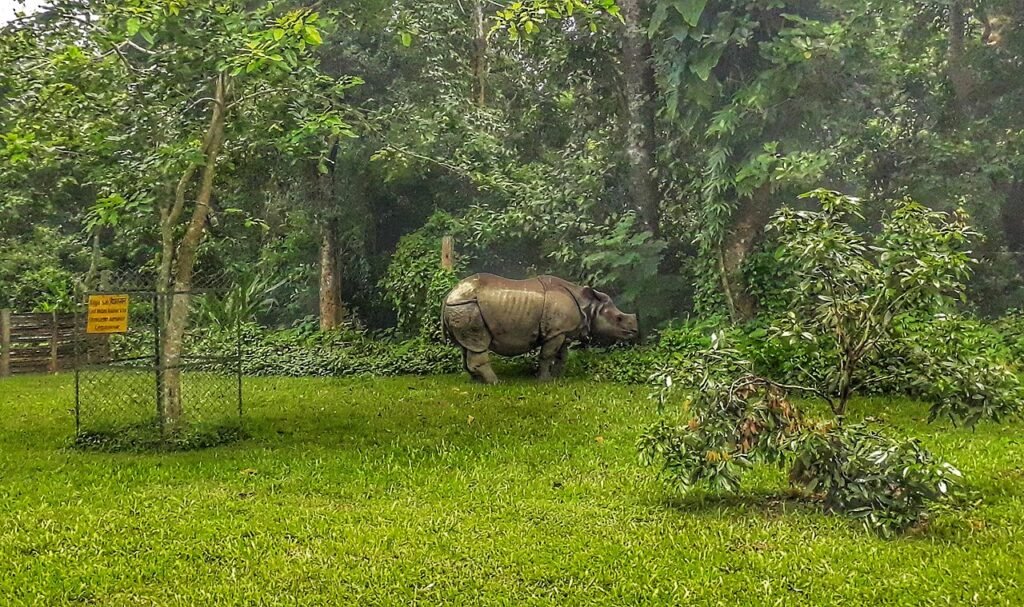
Add Chitwan if you want wildlife alongside mountains. Take a jungle safari to spot one-horned rhinos, crocodiles, and, with luck, a Bengal tiger. Chitwan sits a short flight or scenic drive from Kathmandu or Pokhara.
Everest Region (Khumbu)
Fly into Lukla to reach the Everest region. Walk through Namche Bazaar, the main Sherpa trading town and trekking hub. Visit the Tengboche Monastery, set against a direct view of Everest and Ama Dablam. Trekkers headed further reach Everest Base Camp or Kala Patthar for the closest ground-level views of the summit.
Annapurna Region
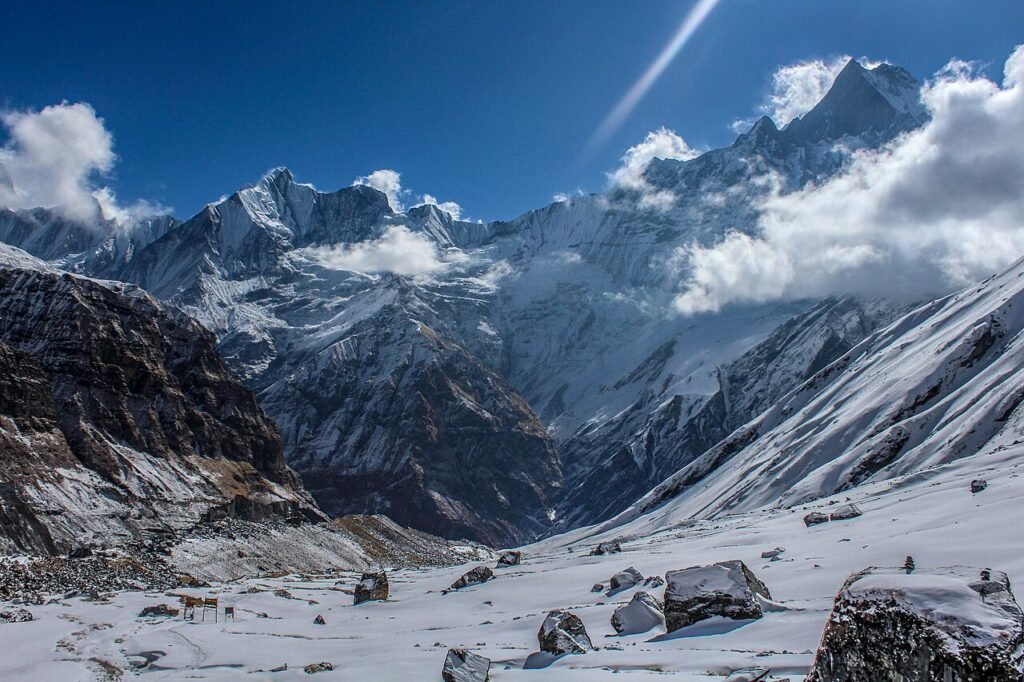
Trek into the Annapurna region from Pokhara. Poon Hill offers a short, beginner-friendly trek with sunrise views over Dhaulagiri and Annapurna. Annapurna Base Camp suits trekkers with more time, ending at a natural amphitheater surrounded by peaks on three sides.
Muktinath
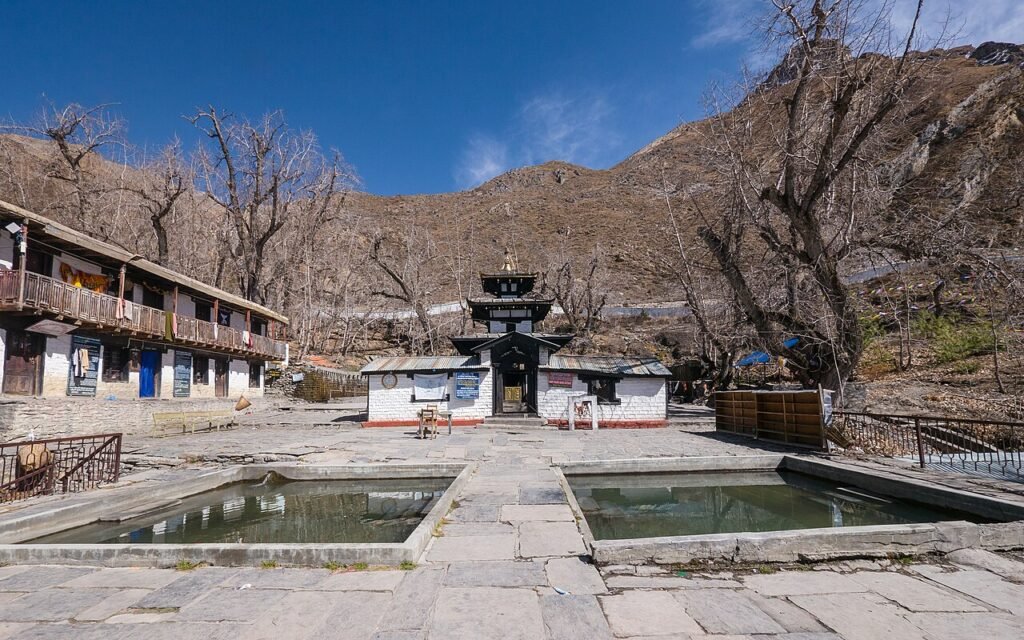
Visit Muktinath if pilgrimage sites matter to your trip. Hindus consider Muktinath one of the holiest Vishnu temples in the world, and Buddhists honor it as a sacred site too. The temple sits at 3,800 meters in the Mustang region, reachable by road from Pokhara or as a stop on longer Annapurna Circuit treks. Pilgrims bathe under its 108 water spouts, believed to cleanse sins.
Lumbini
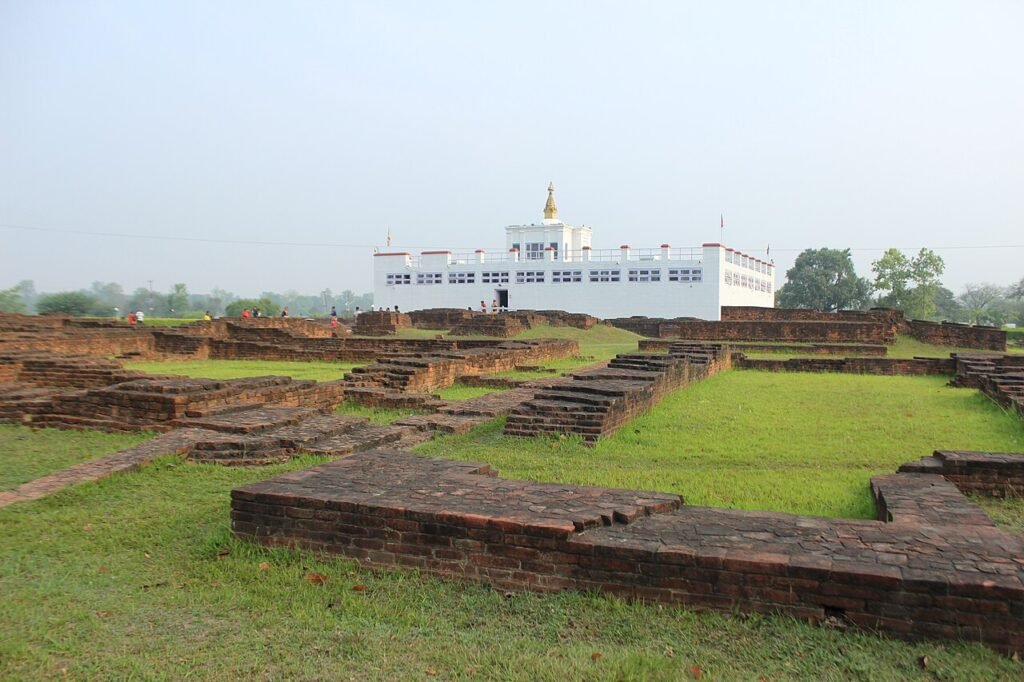
Visit Lumbini if history and pilgrimage sites interest you. Lumbini marks the birthplace of Buddha and holds monasteries built by Buddhist communities from across the world, including Japan, Myanmar, and Sri Lanka.
Bandipur
Stop in Bandipur for a quieter alternative to the main tourist towns. This hilltop Newari town sits between Kathmandu and Pokhara, with preserved traditional houses and mountain views without the crowds.
Manakamana Temple
Visit Manakamana Temple on the way between Kathmandu and Pokhara. Hindus travel here to worship the goddess Bhagwati, believed to grant the wishes of devotees who pray with a pure heart. Take the cable car up from the valley floor at Kurintar. The ride itself, strung high over the Trishuli River, ranks among the most scenic short cable car routes in Nepal.
Janakpur
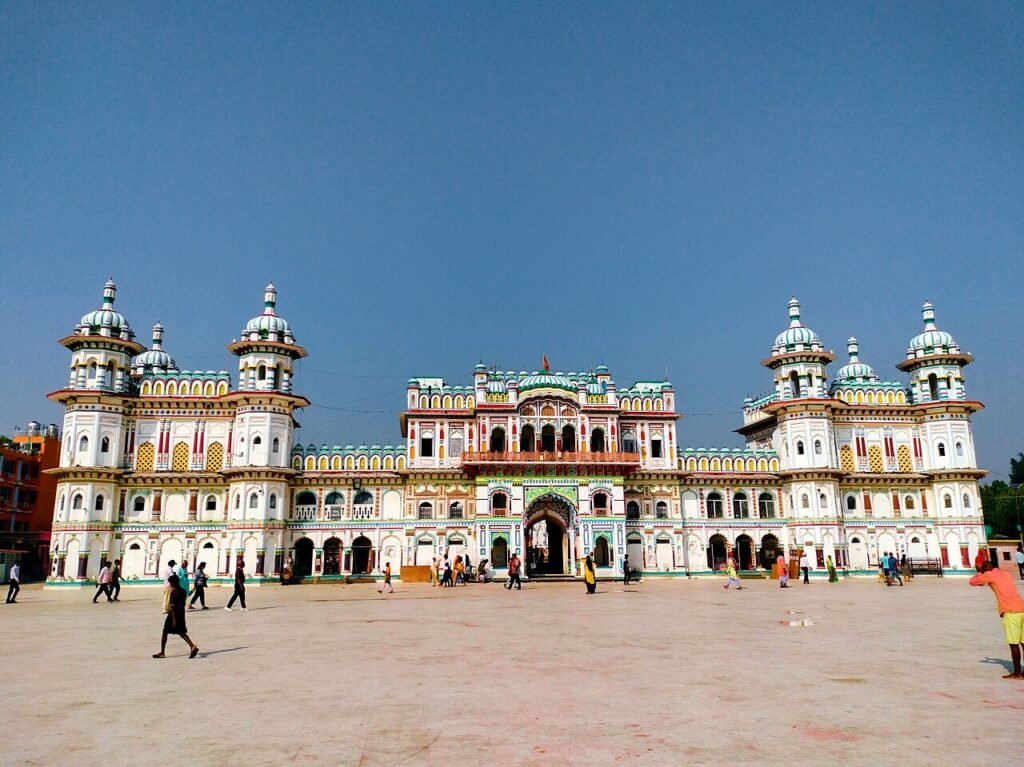
Visit Janakpur if you follow the Ramayana. Hindus revere this city as the birthplace of Sita and the site of her marriage to Lord Rama. Visit Janaki Mandir, a white marble temple built in Mughal-style architecture, at the center of the city. Time your trip around Vivaha Panchami in November or December to see the temple’s biggest festival, which reenacts the wedding of Sita and Rama.
Nagarkot
Visit Nagarkot for one of the easiest mountain views near Kathmandu. This hill town sits about an hour from the capital and looks out over a wide stretch of the Himalayan range, including Everest on a clear day. Stay overnight for sunrise, when the peaks turn pink and gold before the haze builds up.
Rara Lake
Visit Rara Lake if you have extra time and want to go off the standard route. This is Nepal’s largest lake, set inside Rara National Park in the remote far-west. Few tourists make it here, since it takes a domestic flight plus a multi-day trek to reach, but the reward is untouched alpine scenery and a Himalayan lake with almost no crowds.
How to Plan a Trip to Nepal — Choosing Your Route
Your route depends on your time and fitness level.
7-Day Nepal Itinerary (Culture Focus)
- Day 1–2: Kathmandu (Durbar Square, Swayambhunath, Boudhanath)
- Day 3: Fly to Pokhara
- Day 4: Boat ride on Phewa Lake, Sarangkot sunrise
- Day 5: Short hike to Australian Camp or Poon Hill start
- Day 6: Return to Kathmandu, Patan Durbar Square
- Day 7: Departure
10-Day Nepal Itinerary (Trek + Culture)
- Day 1–2: Kathmandu sightseeing
- Day 3: Fly to Lukla, trek to Phakding
- Day 4–7: Trek toward Everest View Point (Namche Bazaar, Tengboche)
- Day 8: Trek back to Lukla
- Day 9: Fly to Kathmandu, rest day
- Day 10: Departure
14-Day Nepal Itinerary (Everest Base Camp)
- Day 1–2: Kathmandu, permits, gear check
- Day 3: Fly to Lukla, trek to Phakding
- Day 4–11: Trek to Everest Base Camp and back via Namche, Dingboche, Lobuche
- Day 12: Fly back to Kathmandu
- Day 13: Rest day, souvenir shopping, Bhaktapur visit
- Day 14: Departure
How to Plan a Trip to Nepal Safely
Altitude Sickness
Altitude sickness affects trekkers above 2,500 meters. Walk slowly. Drink more water than usual. Add rest days at Namche Bazaar and Dingboche to acclimatize.
Travel Insurance
Buy travel insurance that covers high-altitude trekking and helicopter evacuation. Standard travel policies often exclude trekking above 3,000 meters.
Solo and Female Travelers
Nepal ranks as one of the safer countries in South Asia for solo travelers. Stick to registered teahouses and licensed guides on remote routes for extra safety.
How to Plan a Trip to Nepal — Booking Flights and Local Transport
Fly into Kathmandu from major hubs. Direct long-haul flights don’t exist from the US or most of Europe, so expect one or two connections through Delhi, Doha, Dubai, or Istanbul.
Book domestic flights (Kathmandu–Pokhara, Kathmandu–Lukla) at least two weeks ahead during October and November. Seats sell out fast in peak season.
For city and cross-country transport, choose a private car with driver over public buses. Roads stay narrow and winding, and a driver saves hours on longer routes.
Why Book Your Nepal Trip Through Ghum India Ghum
Ghum India Ghum plans custom Nepal itineraries for travelers from the US, Europe, and India. We handle permits, domestic flights, guides, and altitude-safe trekking plans, so you don’t have to piece the trip together yourself.
We run offices in Milan, Italy and the USA, alongside our India base. That means you get a local point of contact in your own time zone, plus on-the-ground expertise across Nepal and India.
As a trusted DMC for Nepal and India, we build every itinerary around your pace, budget, and interests — whether that’s a short cultural trip to Kathmandu or a full Everest Base Camp trek.
Frequently Asked Questions About Planning a Trip to Nepal
A: Plan for at least 7 days to cover Kathmandu and Pokhara comfortably. Add 10–14 days if you want to include a trek to Everest Base Camp or Annapurna Base Camp.
A: No. Nepal costs less than most Western European or North American destinations. A comfortable mid-range trip runs $80–150 per day, including hotels, meals, and local transport.
A: Nepal now requires all trekkers on most routes, including Everest and Annapurna regions, to hire a licensed guide. Solo, unguided trekking permits were phased out in recent years for major trails.
A: Nepal uses the Nepalese Rupee (NPR). Cities accept cards at hotels and larger restaurants. Carry cash for teahouses, permits, and small shops in rural areas.
A: Nepal legally recognizes a third gender and has taken steps toward LGBTQ+ rights ahead of many neighboring countries. Kathmandu has a visible LGBTQ+ community and LGBTQ+-friendly accommodations. Rural and mountain regions stay more conservative, so plan with an operator who knows which areas and stays fit your comfort level.
A: Yes. Many travelers combine Nepal with North India, pairing Kathmandu and the Everest or Annapurna regions with Delhi, Agra, and Varanasi. Ghum India Ghum builds combined Nepal–India itineraries as a single trip.
Planning a trip to Nepal? Ghum India Ghum designs custom Nepal itineraries from our offices in Milan, the USA, and India. Get in touch to start planning your trip.
