
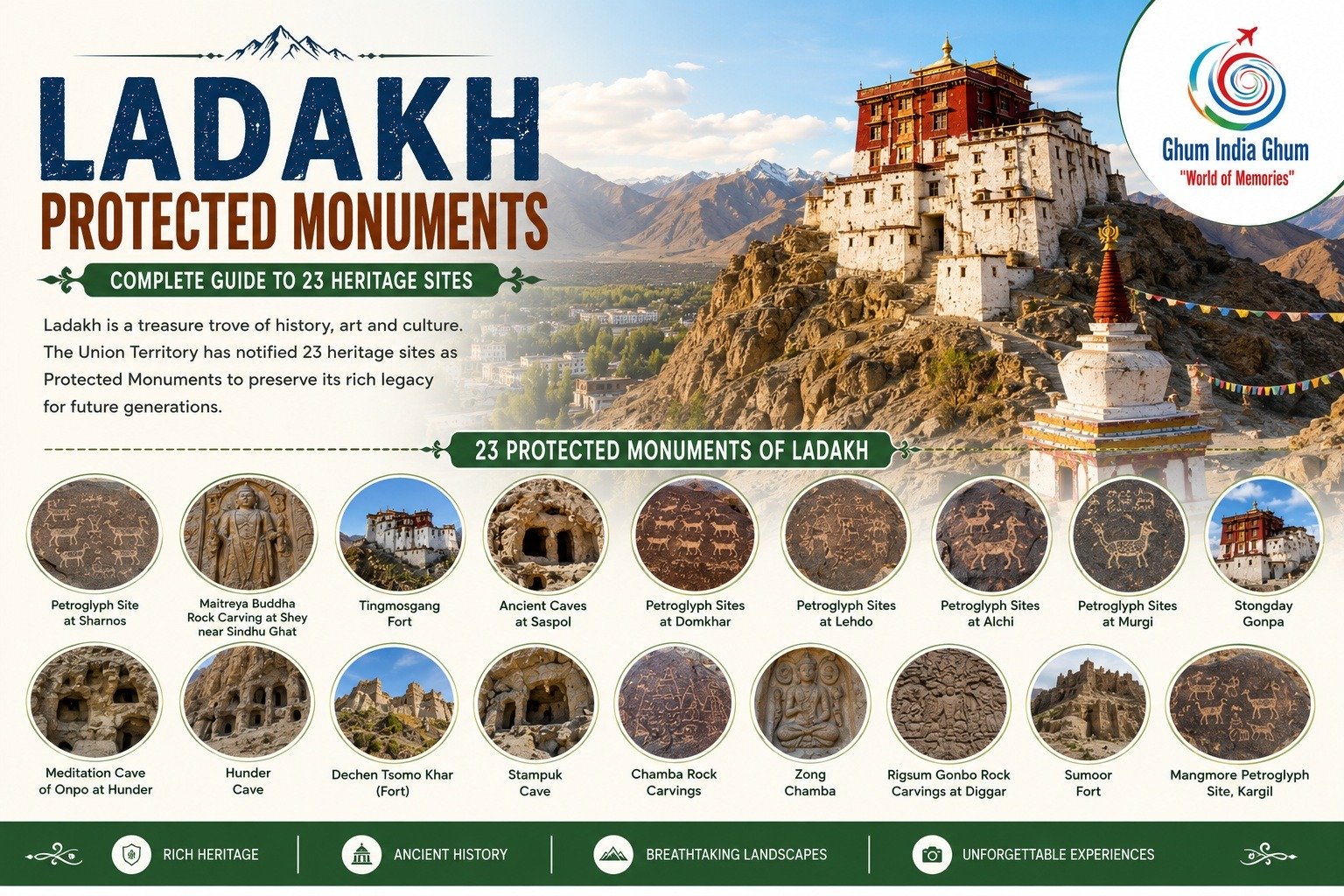

Ladakh is often described as the “Land of High Passes,” famous for its dramatic mountain landscapes, crystal-clear lakes, and centuries-old Buddhist monasteries. However, beyond Pangong Lake, Khardung La, and Nubra Valley lies another extraordinary treasure, its civilizational heritage that stretches back thousands of years. In this blog we will find out newly announced Ladakh Protected Monuments.
Ancient rock carvings, prehistoric petroglyphs, medieval forts, meditation caves, Buddhist monasteries, and sacred sculptures together narrate the fascinating story of Ladakh’s role as a crossroads of civilizations. For centuries, traders, monks, pilgrims, and explorers travelling along the Silk Route passed through this Himalayan region, leaving behind remarkable cultural and archaeological landmarks.
Recognising the immense historical value of these sites, the Union Territory Administration of Ladakh has officially declared 23 heritage sites as Protected Monuments under the Union Territory of Ladakh Ancient Monuments and Archaeological Sites and Remains Regulations, 2025. The move marks one of the biggest heritage conservation initiatives in the region and ensures that these priceless monuments will be preserved for future generations.
For travellers, photographers, history enthusiasts, archaeologists, and spiritual seekers, this declaration provides an exciting opportunity to discover a side of Ladakh that extends far beyond adventure tourism. Instead of only visiting famous attractions, visitors can now explore centuries-old forts, sacred caves, and remarkable rock art that reveal Ladakh’s rich cultural identity.
Whether you are planning your first Himalayan holiday or returning to explore hidden gems, these newly protected monuments deserve a place on your itinerary.
Latest Announcement: Ladakh Declares 23 Protected Monuments
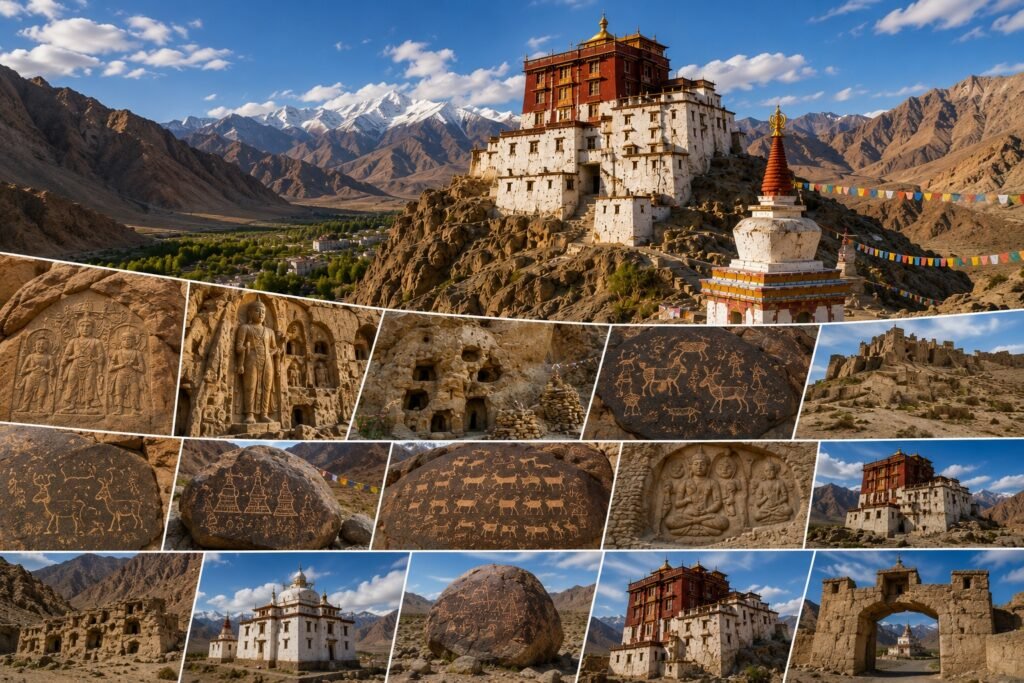
The Ladakh Administration has announced legal protection for 23 monuments and archaeological sites spread across Leh and Kargil districts.
The protected list includes:
- Ancient petroglyph sites
- Buddhist rock carvings
- Historic forts
- Sacred caves
- Monasteries
- Rock inscriptions
- Naturally significant heritage formations
The initiative aims to:
- Preserve Ladakh’s archaeological heritage
- Prevent illegal construction and encroachment
- Protect ancient Buddhist monuments
- Encourage responsible tourism
- Promote heritage-based travel experiences
- Increase awareness about Ladakh’s civilisational history
Many of these monuments remain relatively unknown compared to Pangong Lake or Magnetic Hill, making them ideal destinations for travellers seeking authentic cultural experiences.
Why This Declaration Matters
Protecting Thousands of Years of History
Many of Ladakh’s rock carvings and petroglyphs date back thousands of years. They provide rare evidence of prehistoric communities, early traders, Buddhist pilgrims, and local kingdoms that flourished in the Himalayas.
Without proper protection, these priceless archaeological treasures could gradually disappear due to natural weathering, vandalism, and unplanned development.
Preserving Buddhist Heritage
Ladakh is one of India’s most important centres of Tibetan Buddhism.
The newly protected monuments include:
- Ancient Buddha carvings
- Maitreya sculptures
- Meditation caves
- Monasteries
- Sacred rock art
Together they preserve the region’s deep spiritual traditions.
Boosting Heritage Tourism
Until now, most tourists visited Ladakh primarily for:
- Pangong Lake
- Nubra Valley
- Khardung La
- Tso Moriri
- Leh Palace
The declaration encourages visitors to spend more time exploring Ladakh’s cultural attractions, benefiting local communities while reducing pressure on overcrowded tourist destinations.
Supporting Sustainable Tourism
Heritage tourism encourages visitors to travel responsibly while respecting local traditions, monasteries, archaeological sites, and fragile mountain ecosystems.
Instead of rushing through famous viewpoints, travellers can enjoy slower, more meaningful experiences that directly support local guides, artisans, and communities.
Complete List of the 23 Protected Monuments in Ladakh
| No. | Protected Monument | District | Category |
|---|---|---|---|
| 1 | Petroglyph Site at Sharnos | Leh | Rock Art |
| 2 | Maitreya Buddha Rock Carving at Shey | Leh | Rock Carving |
| 3 | Tingmosgang Fort | Leh | Fort |
| 4 | Ancient Caves at Saspol | Leh | Caves |
| 5 | Petroglyph Site at Domkhar | Leh | Rock Art |
| 6 | Petroglyph Site at Lehdo | Leh | Rock Art |
| 7 | Petroglyph Site at Alchi | Leh | Rock Art |
| 8 | Petroglyph Site at Murgi | Leh | Rock Art |
| 9 | Stongday Gonpa | Kargil | Monastery |
| 10 | Meditation Cave of Onpo at Hunder | Leh | Sacred Cave |
| 11 | Hunder Cave | Leh | Historic Cave |
| 12 | Dechen Tsomo Khar | Leh | Fort |
| 13 | Stampuk Cave | Leh | Cave |
| 14 | Chamba Rock Carving | Leh | Rock Carving |
| 15 | Zong Chamba | Leh | Rock Carving |
| 16 | Rock-Carved Buddha Statue at Hunder | Leh | Buddha Statue |
| 17 | Rigsum Gonbo Rock Carvings | Leh | Rock Carvings |
| 18 | Chamba Karpo at Diggar | Leh | Buddhist Monument |
| 19 | Chamba Rock Carving at Tokpo | Leh | Rock Carving |
| 20 | Folong Singey | Leh | Natural Heritage |
| 21 | Sumoor Fort | Leh | Fort |
| 22 | Rock Inscriptions at Yourbaltak | Kargil | Rock Inscriptions |
| 23 | Petroglyph Site at Mangmore | Kargil | Rock Art |
Detailed Guide
1. Petroglyph Site at Sharnos
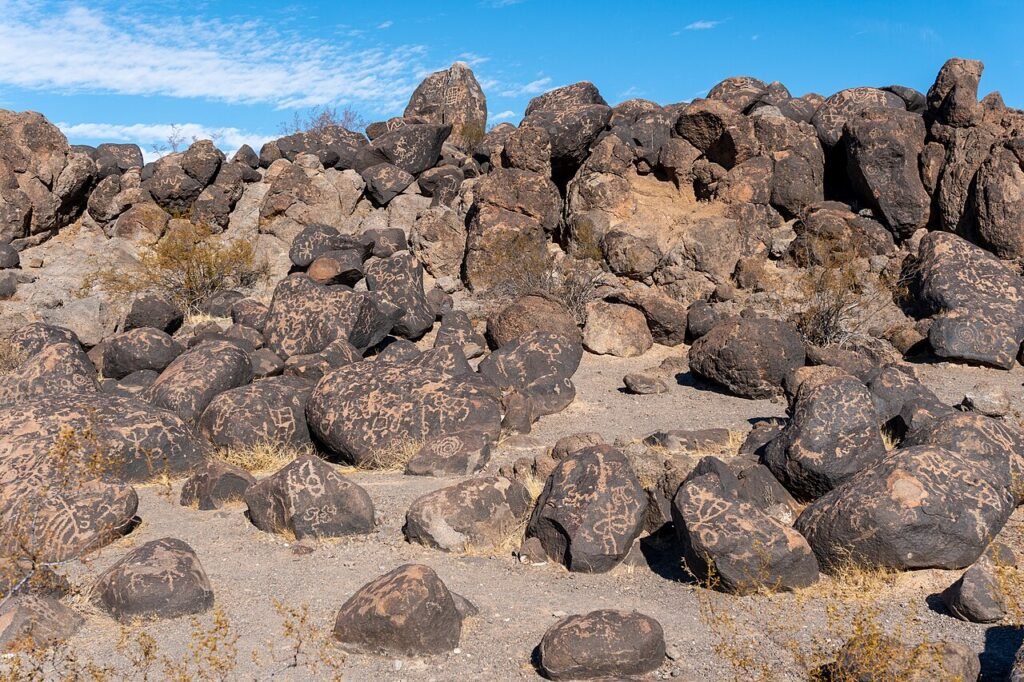
Among the most fascinating archaeological discoveries in Ladakh, the Petroglyph Site at Sharnos preserves ancient carvings etched into rocks by prehistoric communities. These carvings depict animals, hunters, symbols, and everyday life, offering researchers valuable clues about Ladakh’s earliest inhabitants.
For travellers interested in archaeology, the site provides a unique glimpse into life before written history. Photography enthusiasts will appreciate the intricate details of the engravings, especially during the soft light of early morning or late afternoon.
Why visit?
- One of Ladakh’s oldest archaeological treasures
- Ideal for history lovers
- Excellent photography opportunity
2. Maitreya Buddha Rock Carving at Shey near Sindhu Ghat
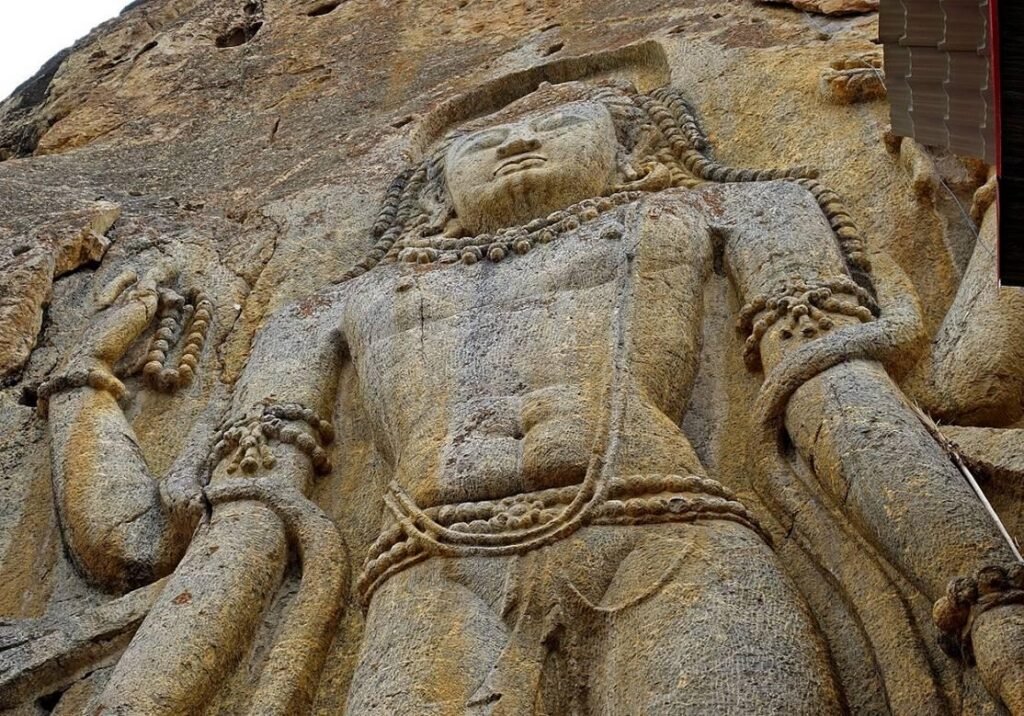
Located near the historic village of Shey, this magnificent rock carving of Maitreya Buddha is one of Ladakh’s most important Buddhist monuments.
The carving reflects the artistic excellence of ancient Ladakhi craftsmen and demonstrates the strong influence of Mahayana Buddhism throughout the region.
The monument is conveniently located near Shey Palace and Sindhu Ghat, making it easy to include in a day trip from Leh.
Highlights
- Sacred Buddhist monument
- Beautiful craftsmanship
- Excellent stop while visiting Shey Palace
3. Tingmosgang Fort
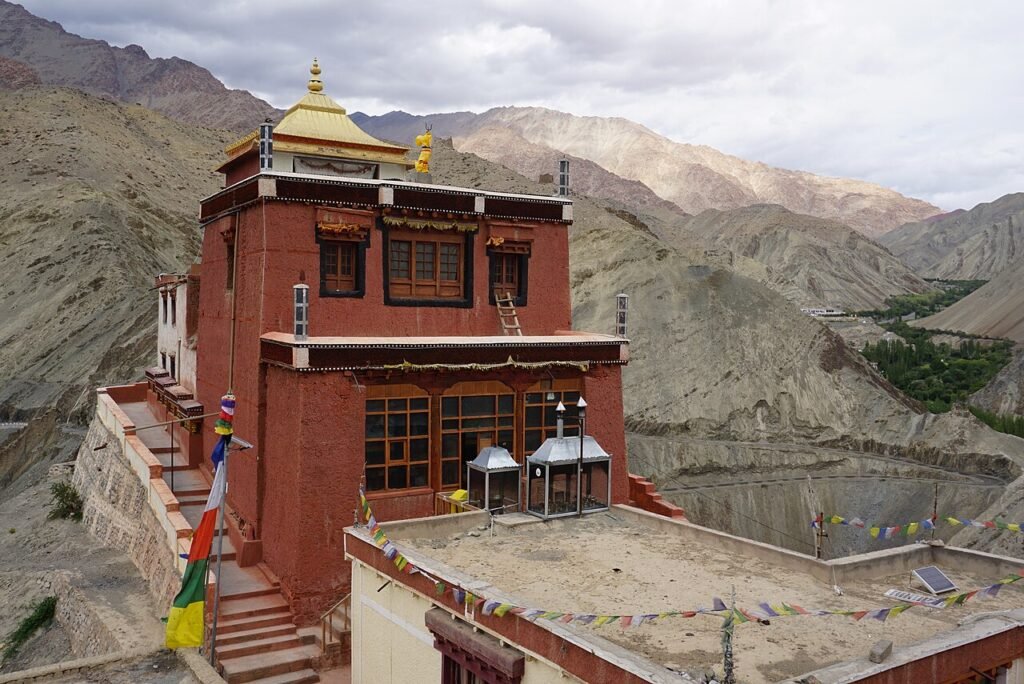
Once serving as a royal residence and military stronghold, Tingmosgang Fort played an important role in western Ladakh’s political history.
Perched strategically on elevated terrain, the fort provided excellent views of surrounding valleys and trade routes.
Today, visitors can explore its ruins while imagining the era when Ladakhi rulers governed the region from this fortified settlement.
Nearby attractions include picturesque villages, monasteries, and traditional Ladakhi homes.
4. Ancient Caves at Saspol
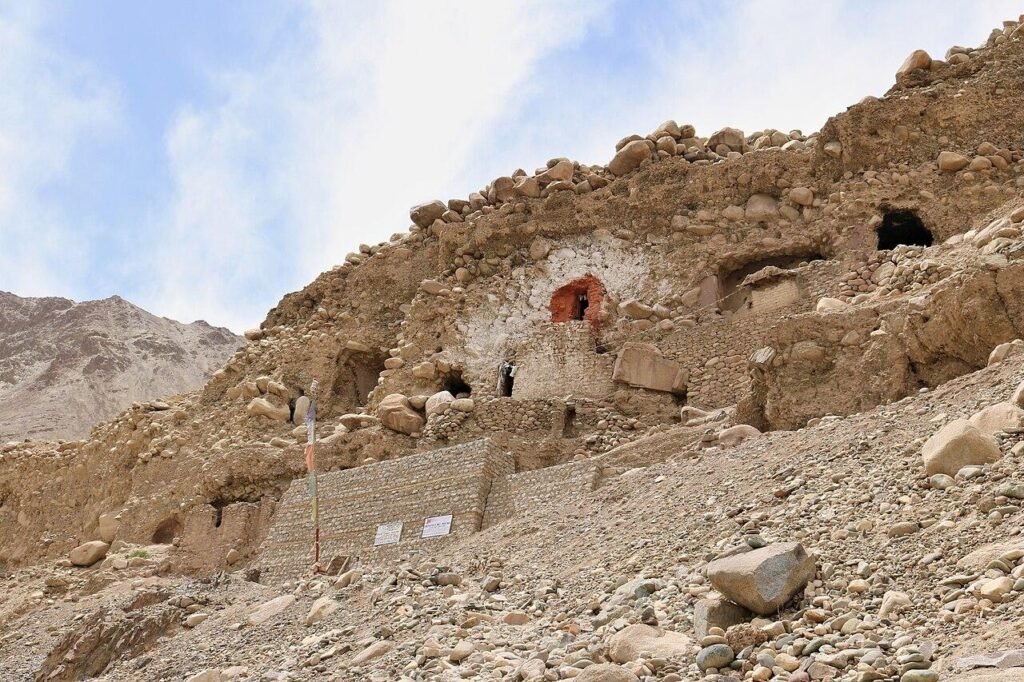
The Ancient Caves at Saspol are among Ladakh’s finest hidden treasures.
Inside these centuries-old caves are beautiful Buddhist murals that have survived despite the harsh Himalayan climate.
Historians believe these caves once served as meditation chambers and monastic retreats.
Visitors interested in Buddhist art will find remarkable wall paintings showcasing ancient techniques rarely seen elsewhere in the Himalayas.
Travel Tip
Carry a flashlight and wear comfortable footwear, as accessing some caves requires short uphill walks.
5. Petroglyph Site at Domkhar
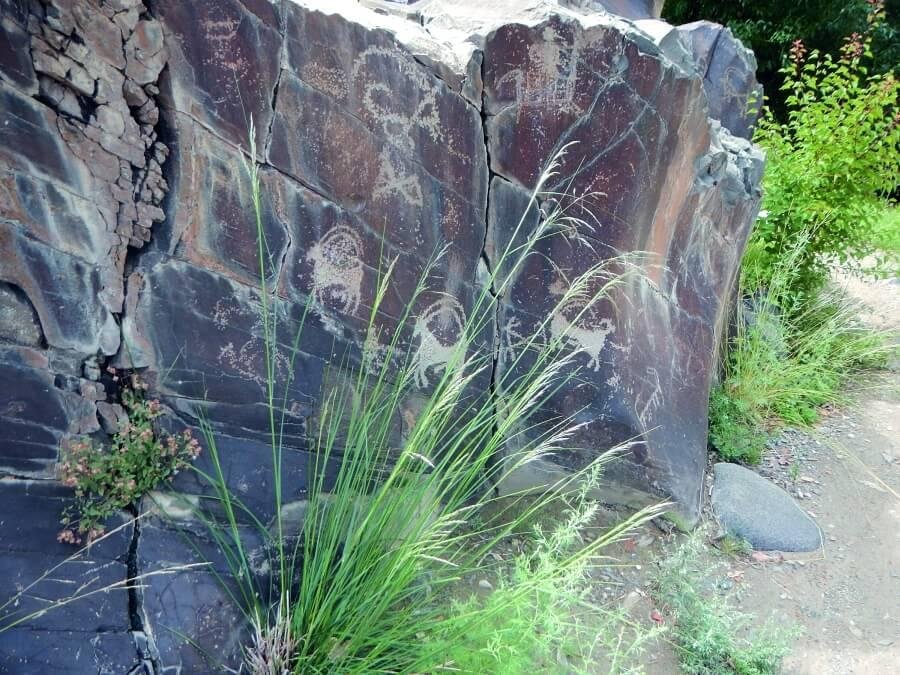
The Domkhar petroglyphs display fascinating engravings of wild animals, hunters, religious symbols, and geometric designs.
Each carving provides another chapter in Ladakh’s prehistoric story.
Although relatively lesser known, the site offers an authentic heritage experience away from crowded tourist attractions.
6. Petroglyph Site at Lehdo
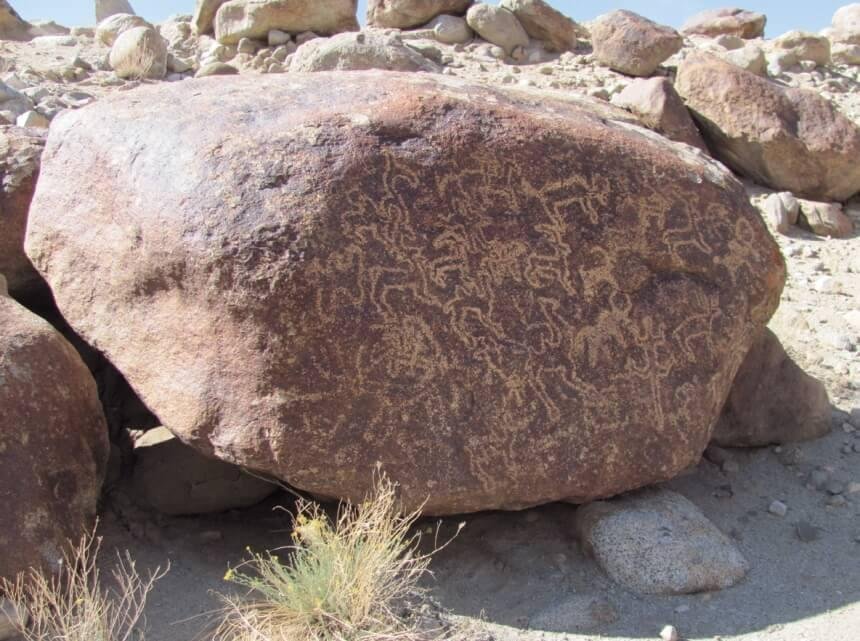
Lehdo preserves another remarkable collection of prehistoric rock engravings.
Researchers believe these carvings were created over centuries by communities travelling through the Himalayan trade corridors.
Visitors can observe artistic styles that differ from those found at other petroglyph sites, highlighting Ladakh’s diverse cultural influences.
7. Petroglyph Site at Alchi
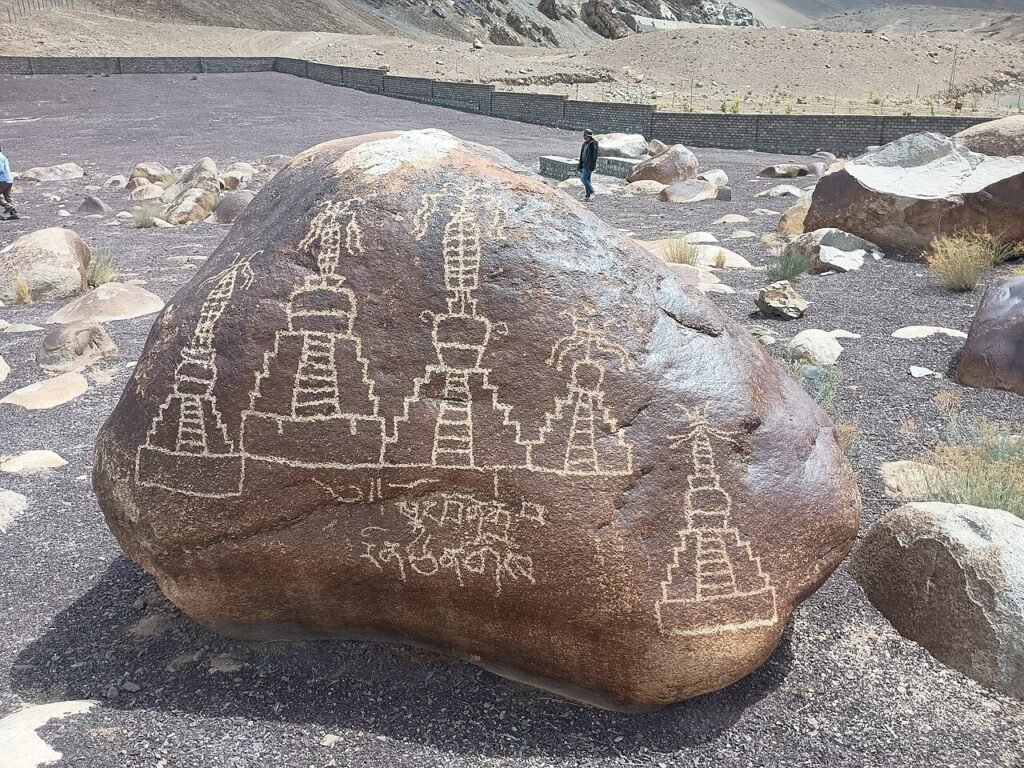
Alchi is already famous worldwide for its ancient monastery.
However, the nearby petroglyph site receives far less attention despite its archaeological significance.
The rock carvings complement the region’s rich Buddhist heritage and demonstrate that Alchi has served as an important cultural centre for centuries.
Travellers visiting Alchi Monastery should consider adding this hidden attraction to their itinerary.
8. Petroglyph Site at Murgi
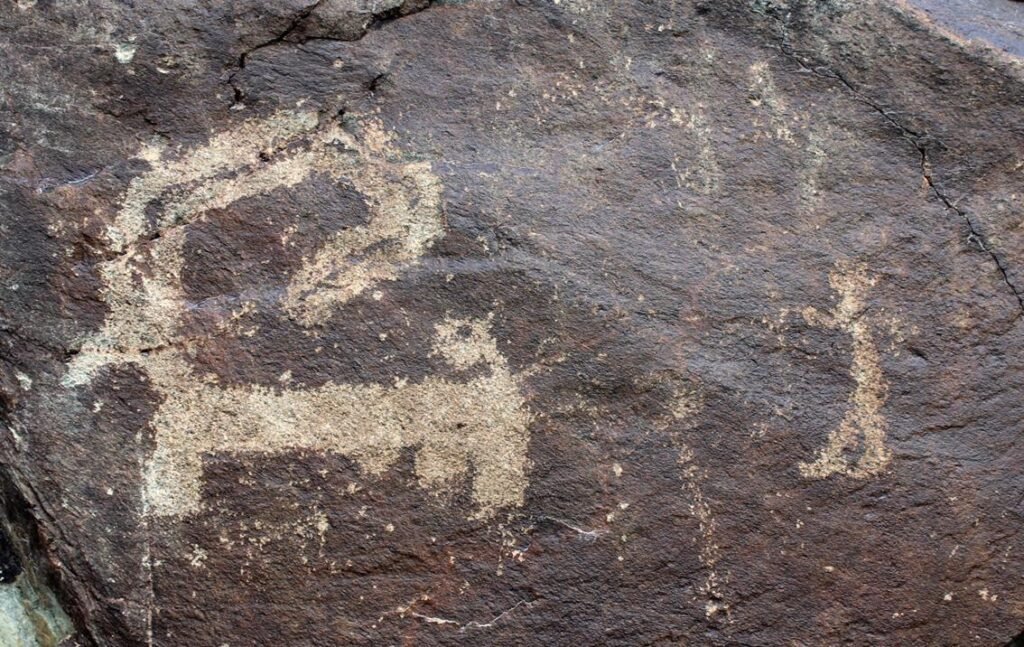
The Petroglyph Site at Murgi continues the fascinating story of Ladakh’s prehistoric communities.
The engravings include animals, human figures, hunting scenes, and mysterious symbols whose meanings continue to intrigue archaeologists.
Because relatively few tourists visit the site, it offers peaceful surroundings ideal for slow exploration and photography.
9. Stongday Gonpa
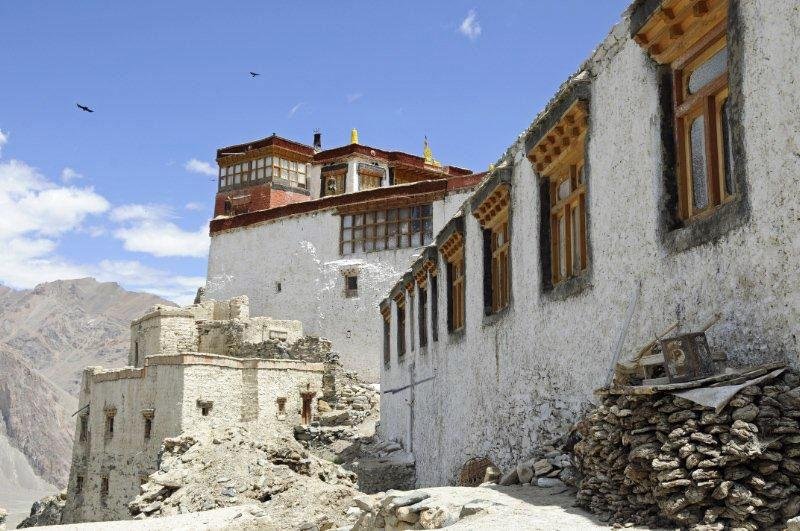
Stongday Gonpa is one of Ladakh’s oldest and most respected Buddhist monasteries.
Situated dramatically on a hilltop, the monastery offers breathtaking panoramic views while serving as an active centre of Buddhist learning and worship.
Visitors can admire ancient statues, colourful prayer halls, sacred scriptures, and traditional architecture that reflects centuries of Himalayan craftsmanship.
The monastery also hosts important religious festivals attended by monks and local communities.
10. Meditation Cave of Onpo at Hunder
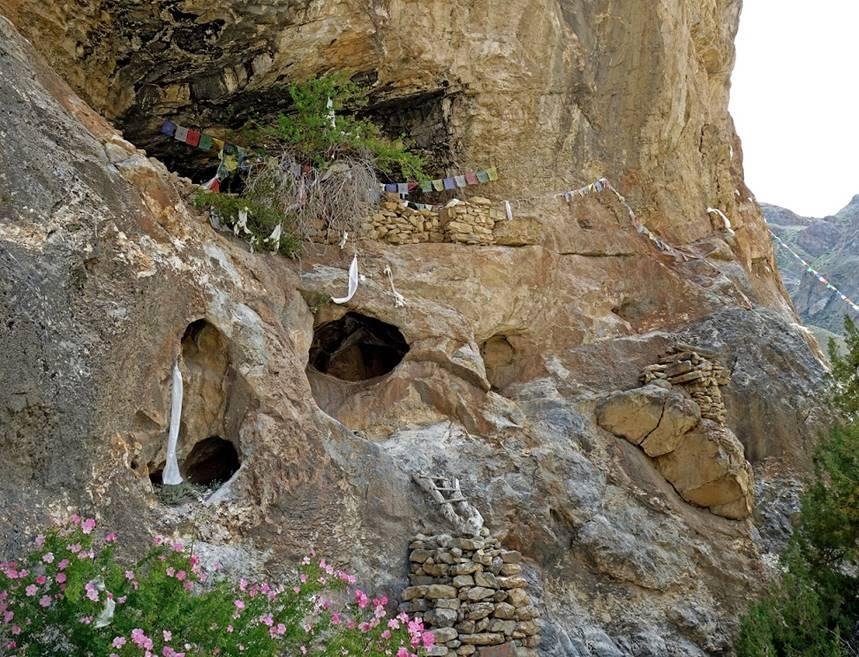
Hidden within Nubra Valley, this sacred meditation cave is believed to have been used by Buddhist monks seeking solitude and spiritual enlightenment.
The peaceful surroundings make it easy to understand why generations of practitioners chose this location for meditation.
Visitors should respect local customs and maintain silence while exploring the cave.
11. Hunder Cave
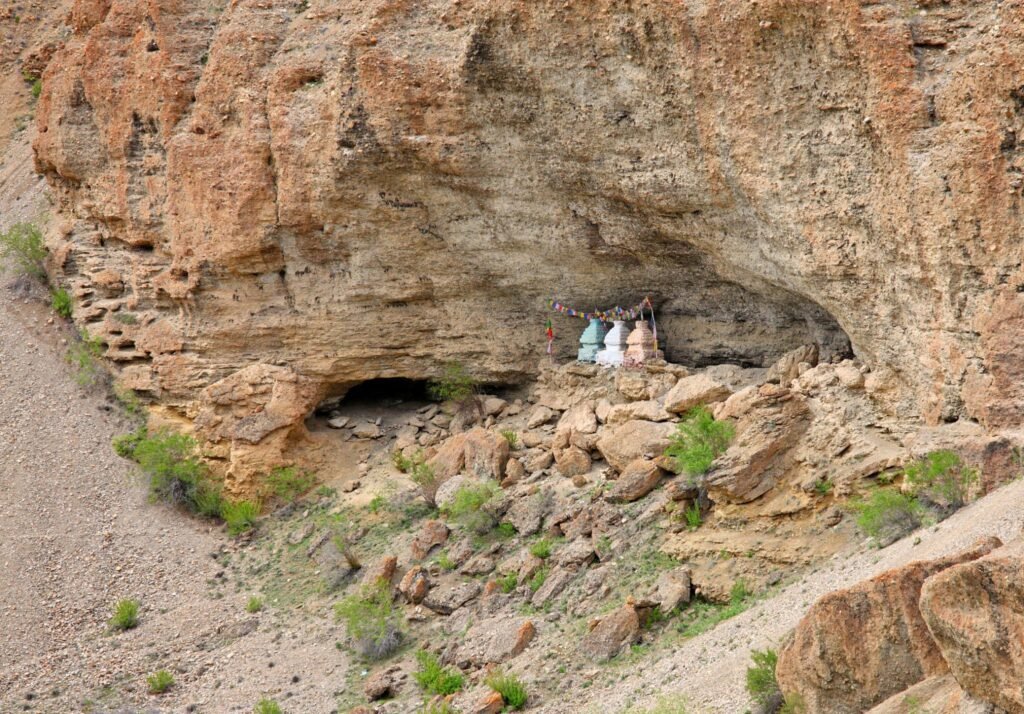
Beyond its famous sand dunes and double-humped Bactrian camels, Hunder also preserves an important historical cave.
The cave reflects Ladakh’s religious and cultural history and adds another dimension to the Nubra Valley experience.
Travellers often overlook this heritage attraction, making it one of the valley’s hidden gems.
Combine your visit with nearby monasteries and traditional villages for a rewarding cultural excursion.
12. Dechen Tsomo Khar (Fort)
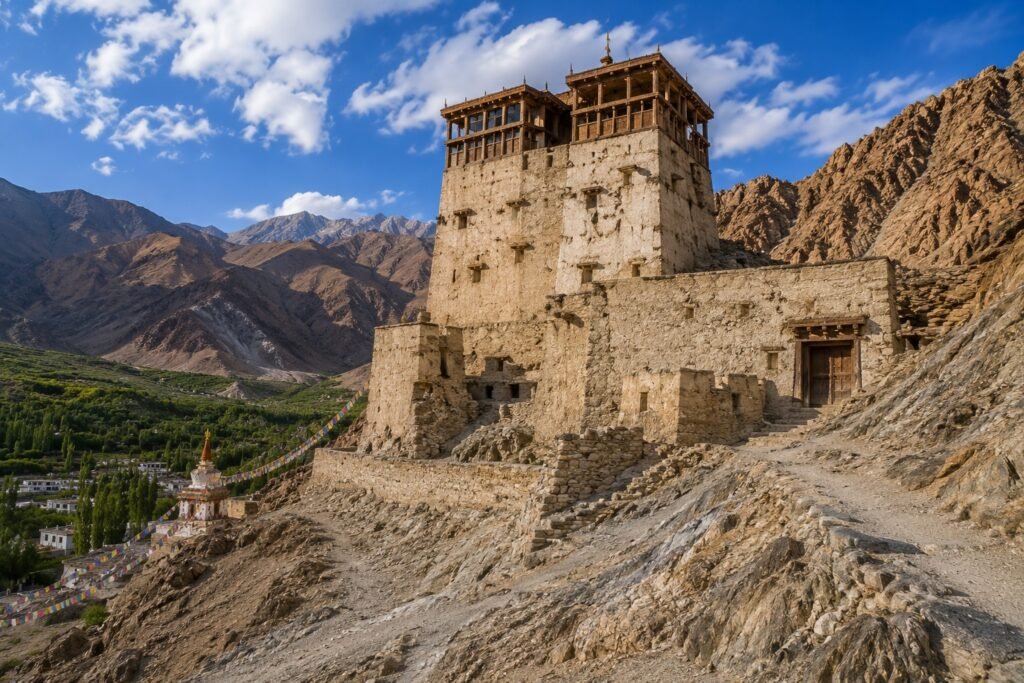
Dechen Tsomo Khar represents another important chapter in Ladakh’s medieval history.
Although parts of the structure now lie in ruins, the fort continues to showcase the defensive architecture once used by Ladakhi kingdoms.
Its elevated location provides spectacular views of the surrounding landscape, making it attractive for both history enthusiasts and photographers.
Visiting the fort also offers insight into how Ladakh’s rulers defended important trade routes connecting Tibet, Central Asia, and Kashmir.
13. Stampuk Cave
Nestled amidst Ladakh’s rugged mountains, Stampuk Cave is one of the region’s lesser-known heritage sites that combines natural beauty with spiritual significance. For centuries, local communities have associated the cave with Buddhist traditions, and it is believed to have served as a retreat for meditation and religious practice.
Unlike the bustling monasteries that attract thousands of visitors, Stampuk Cave offers a peaceful atmosphere where travellers can experience Ladakh’s spiritual heritage in relative solitude. The cave’s natural rock formations and tranquil surroundings make it an ideal stop for those interested in both geology and history.
Why Visit?
- Experience a hidden spiritual site away from crowds
- Enjoy panoramic Himalayan landscapes
- Ideal for meditation, photography, and nature lovers
Nearby Attractions
- Leh Town
- Ancient monasteries
- Traditional Ladakhi villages
14. Chamba Rock Carving
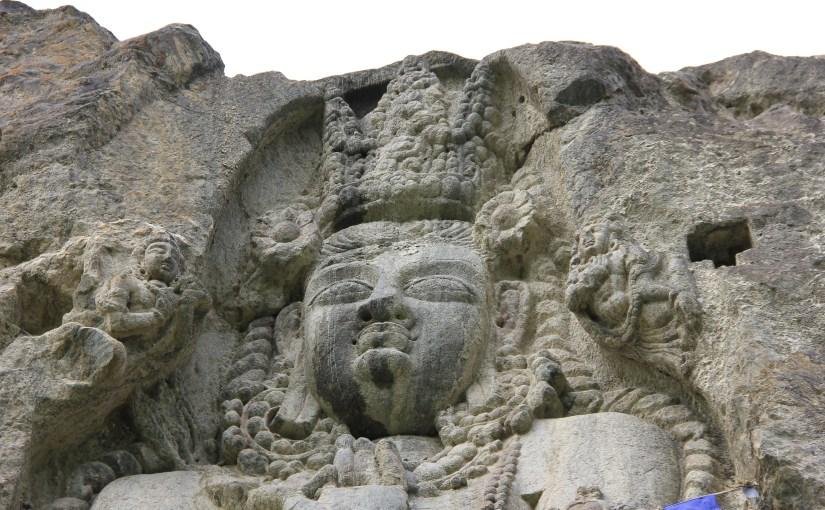
The Chamba Rock Carving is an outstanding example of Ladakh’s artistic and religious heritage. Carved directly into the rock face, the sculpture depicts Buddhist iconography that reflects centuries of devotion and craftsmanship.
These monumental carvings demonstrate how religion and art were closely connected throughout Ladakh’s history. Travellers visiting this site can appreciate not only its spiritual significance but also the remarkable skill required to create such intricate artwork on solid rock.
Highlights
- Ancient Buddhist sculpture
- Fine example of Himalayan rock art
- Excellent photography location
15. Zong Chamba (Rock Carving of Maitreya Buddha)
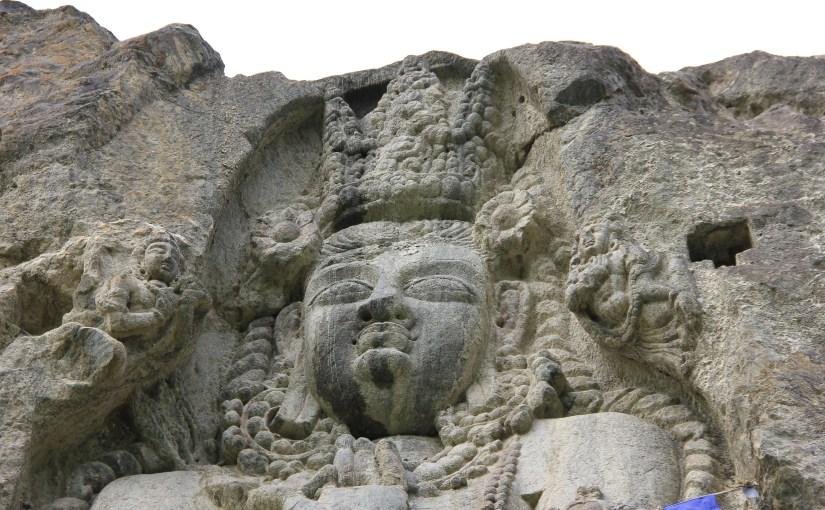
One of the finest examples of Buddhist rock sculpture in Ladakh, the Zong Chamba depicts Maitreya Buddha, the future Buddha according to Buddhist belief.
The impressive carving reflects the influence of Tibetan Buddhist art while showcasing the remarkable craftsmanship of ancient Ladakhi artisans. Standing before the sculpture offers visitors a glimpse into Ladakh’s centuries-old spiritual traditions.
The monument continues to attract pilgrims and travellers seeking cultural experiences beyond Ladakh’s more famous destinations.
Best Time to Visit
Morning and evening provide the most pleasant temperatures and soft lighting for photography.
16. Rock-Carved Buddha Statue at Hunder
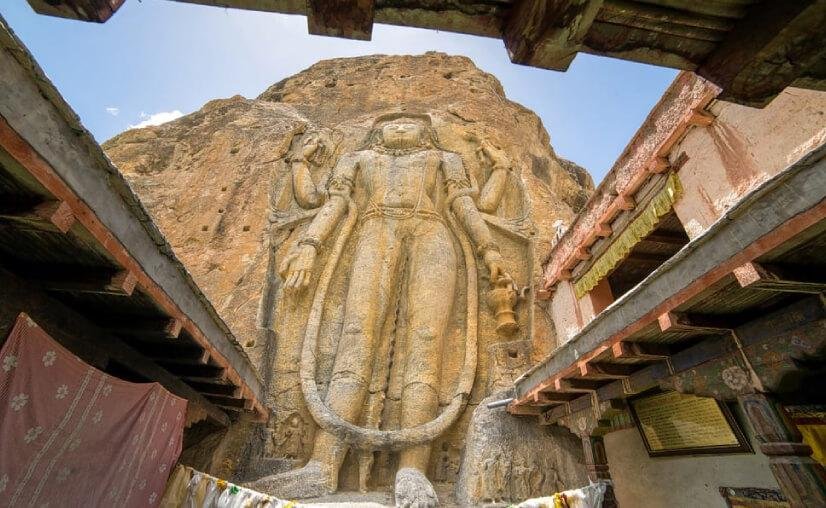
While Hunder is internationally known for its sand dunes and double-humped Bactrian camels, many visitors remain unaware of the Rock-Carved Buddha Statue hidden within the village.
The sculpture represents another important chapter in Nubra Valley’s Buddhist history and serves as a reminder that this valley has been an important centre for religion and trade for centuries.
Visitors combining camel safaris with heritage exploration will find this monument an enriching addition to their itinerary.
Why It Shouldn’t Be Missed
- Combines culture with adventure tourism
- Located near one of Ladakh’s most visited destinations
- Significant Buddhist pilgrimage site
17. Rigsum Gonbo Rock Carvings at Diggar
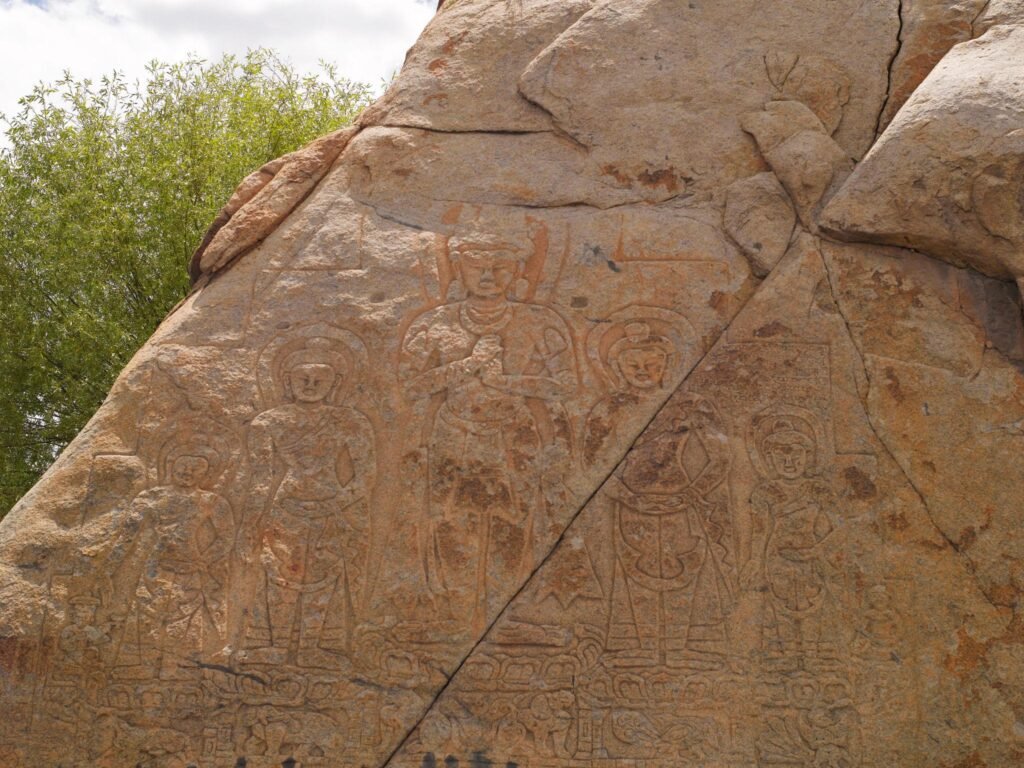
The Rigsum Gonbo Rock Carvings depict three important Buddhist protective deities revered throughout Tibetan Buddhism.
These sacred carvings hold immense religious significance and continue to be respected by local communities.
Beyond their spiritual value, the carvings also demonstrate Ladakh’s long tradition of stone sculpture and religious art, making them valuable for historians and archaeologists alike.
Travellers should observe silence and avoid touching the carvings as a mark of respect.
18. Chamba Karpo (White Maitreya Buddha) at Diggar
Known locally as Chamba Karpo, this magnificent White Maitreya Buddha monument remains one of Diggar’s most treasured landmarks.
The monument symbolizes compassion, peace, and hope while representing Ladakh’s enduring Buddhist traditions.
Its peaceful surroundings make it an ideal stop for visitors looking to escape the crowds and experience authentic Ladakhi spirituality.
19. Chamba Rock Carving at Tokpo, Diggar
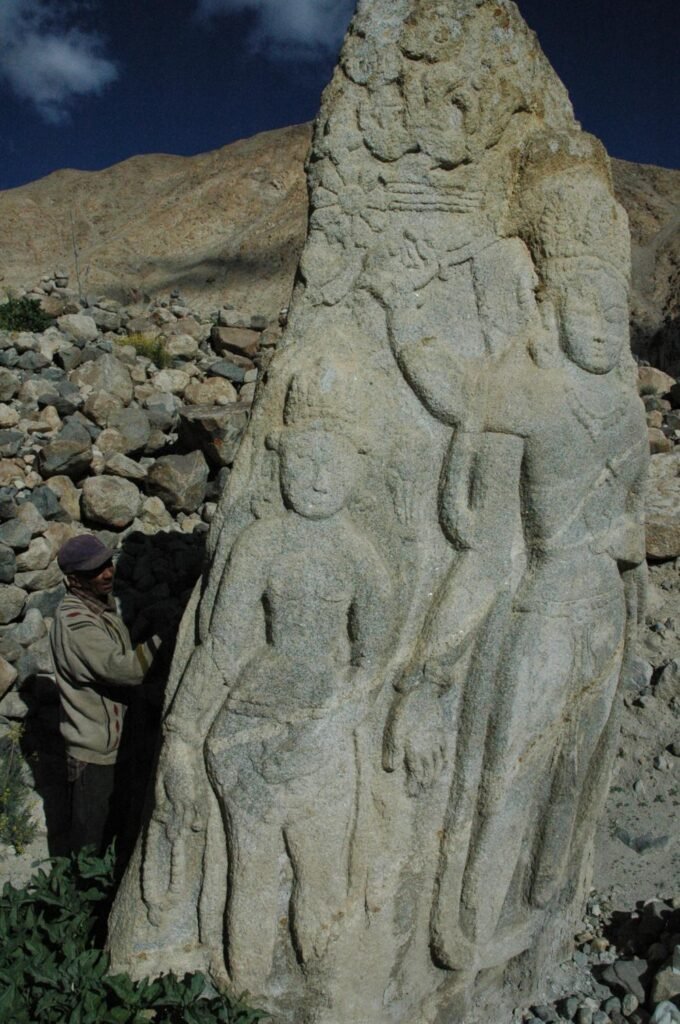
Another remarkable heritage site in Diggar, the Chamba Rock Carving at Tokpo showcases the continuity of Buddhist artistic traditions across Ladakh.
Although smaller than some other monuments, its historical importance is equally significant.
Travellers interested in Buddhist art can combine this attraction with nearby monuments to create a rewarding heritage circuit.
20. Folong Singey (Boulder-like Lion Face) at Diggar
Unlike most monuments on the protected list, Folong Singey is a naturally occurring rock formation resembling the face of a lion.
The site is important not only for its geological uniqueness but also because it features prominently in local folklore and cultural traditions.
Its inclusion among Ladakh’s protected monuments highlights that heritage conservation extends beyond architecture to include landscapes with cultural significance.
Nature lovers, photographers, and families will particularly enjoy visiting this unusual attraction.
21. Sumoor Fort
Situated in the picturesque Nubra Valley, Sumoor Fort once guarded important trade routes connecting Ladakh with Central Asia and Tibet.
Although now partially ruined, the fort continues to tell the story of Ladakh’s strategic importance during the era of trans-Himalayan trade.
Visitors can explore the remains while enjoying spectacular mountain views and nearby villages that still preserve traditional Ladakhi lifestyles.
Nearby Attractions
- Samstanling Monastery
- Nubra Valley
- Panamik Hot Springs
- Diskit Monastery
22. Rock Inscriptions at Yourbaltak, Kargil
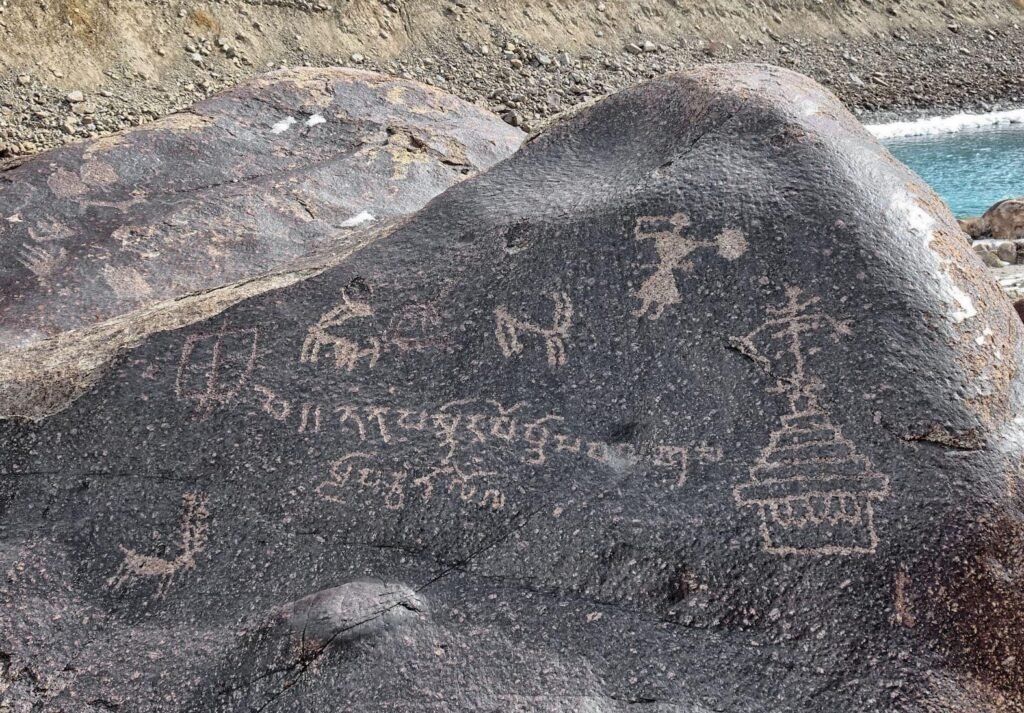
The Rock Inscriptions at Yourbaltak provide historians with invaluable evidence about Ladakh’s political, cultural, and religious past.
Unlike artistic petroglyphs, these inscriptions serve as historical records, helping researchers understand ancient scripts, languages, and administrative practices.
For visitors interested in archaeology and history, this site offers a fascinating glimpse into Ladakh’s documented past.
23. Petroglyph Site at Mangmore, Kargil
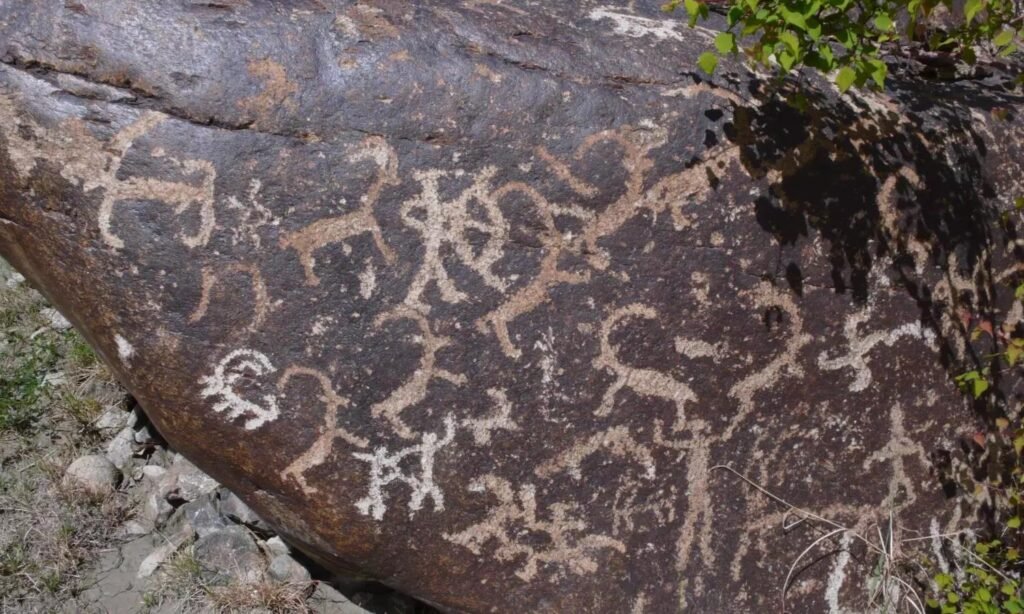
Completing the list of Ladakh’s protected monuments is the Petroglyph Site at Mangmore, one of Kargil district’s most significant archaeological locations.
The prehistoric carvings depict animals, hunting scenes, and symbolic motifs that have survived for centuries despite Ladakh’s harsh climate.
These remarkable engravings provide another important piece of the puzzle in understanding the region’s earliest inhabitants and cultural evolution.
As awareness of heritage tourism grows, Mangmore is likely to become an increasingly popular destination for travellers interested in archaeology and ancient civilizations.
Suggested Ladakh Heritage Itineraries
5-Day Heritage Highlights
Perfect for travellers visiting Ladakh for the first time.
Day 1
- Leh
- Shey
- Maitreya Buddha Rock Carving
- Sharnos Petroglyphs
On Day 2
- Alchi
- Saspol Caves
- Tingmosgang Fort
Day 3
- Domkhar
- Lehdo
- Murgi Petroglyphs
Day 4
- Hunder
- Meditation Cave
- Rock-Carved Buddha
- Dechen Tsomo Khar
On Day 5
- Sumoor Fort
- Diggar Heritage Sites
7-Day Cultural Ladakh Tour
Ideal for history lovers and photographers.
Include:
- Leh
- Shey
- Alchi
- Lamayuru
- Saspol
- Nubra Valley
- Diggar
- Sumoor
- Hunder
- Kargil heritage sites
10-Day Complete Heritage Expedition
Perfect for archaeology enthusiasts.
Explore all 23 protected monuments while also visiting:
- Pangong Lake
- Tso Moriri
- Khardung La
- Magnetic Hill
- Leh Palace
- Shanti Stupa
Best Time to Visit Ladakh’s Protected Monuments
May to June
The snow has melted, roads reopen, and pleasant weather makes sightseeing comfortable. This is one of the best seasons for exploring forts, caves, and petroglyph sites.
July to August
Summer offers longer daylight hours and vibrant landscapes. While these months are popular with tourists, heritage sites are generally less crowded than major attractions like Pangong Lake.
September to October
Often considered the finest time for cultural travel, autumn brings crisp weather, golden landscapes, and excellent photography conditions. The clear skies and cooler temperatures make exploring archaeological sites especially enjoyable.
November to April
Heavy snowfall restricts access to many areas, particularly in Nubra Valley and Kargil. Unless you are planning a specialised winter expedition, most travellers should avoid scheduling a heritage tour during this period.
How to Reach Ladakh
By Air
Kushok Bakula Rimpochee Airport (Leh) is the primary gateway to Ladakh, with regular flights from Delhi, Mumbai, Srinagar, Chandigarh, and other major Indian cities.
By Road
Two scenic highways connect Ladakh to the rest of India:
- Manali–Leh Highway (typically open from late May to October)
- Srinagar–Leh Highway (usually open from May to November)
These routes offer spectacular mountain scenery but are subject to weather conditions.
Local Transport
To visit many of the protected monuments, hiring a private vehicle with an experienced local driver is recommended. Several sites are located in remote areas with limited public transportation, and local guides can help interpret their historical significance.
Essential Travel Tips
- Spend at least 48 hours in Leh to acclimatise before travelling to higher-altitude sites.
- Carry valid identification, as permits may be required for certain border areas.
- Wear layered clothing, even during summer, as temperatures can change quickly.
- Use sturdy walking shoes when visiting caves, forts, and rocky archaeological sites.
- Carry drinking water, sunscreen, sunglasses, and a hat to protect yourself from the high-altitude sun.
- Keep some cash for remote villages where digital payments may not be available.
- Respect monastery timings and local customs during your visit.
Responsible Tourism in Ladakh
Ladakh’s protected monuments are irreplaceable cultural treasures. Every visitor has a role in preserving them.
Please remember to:
- Never climb on rock carvings or ancient monuments.
- Do not touch or scratch petroglyphs and inscriptions.
- Avoid littering and carry reusable water bottles.
- Dress modestly when visiting monasteries and sacred sites.
- Seek permission before photographing monks or local residents.
- Support local guides, artisans, and family-run businesses.
- Stay on marked paths to prevent damage to fragile landscapes.
- Leave each heritage site exactly as you found it.
Responsible travel helps ensure these monuments remain preserved for future generations.
Why Choose Ghum India Ghum for Your Ladakh Heritage Journey?
Exploring Ladakh’s newly protected monuments is about much more than visiting famous tourist attractions—it’s about discovering the stories carved into ancient rocks, walking through centuries-old forts, meditating in sacred caves, and experiencing one of the world’s highest living Buddhist cultures. To truly appreciate these remarkable sites, you need more than a standard sightseeing itinerary. You need local expertise, seamless logistics, and knowledgeable guides who can bring Ladakh’s history to life.
Ghum India Ghum is a trusted Destination Management Company (DMC) for India and an award-winning inbound tour operator specializing in tailor-made journeys for travellers from the United States, Europe, Australia, and India. Whether you’re planning a luxury holiday, a photography expedition, a cultural exploration, a spiritual retreat, a family vacation, or an LGBTQ+ friendly India tour, we design experiences that match your interests, pace, and travel style.
With offices in India, Milan (Italy), and the USA, we provide dedicated support before and during your journey, giving international travellers added confidence when planning their trip to India.
Why Travel with Ghum India Ghum?
- ✔️ Customized itineraries designed around your interests
- ✔️ English-speaking professional guides
- ✔️ Handpicked hotels, heritage stays, and luxury resorts
- ✔️ Private transport with experienced Himalayan drivers
- ✔️ Assistance with permits and travel logistics
- ✔️ Authentic cultural experiences beyond the usual tourist trail
- ✔️ 24/7 on-ground support throughout your journey
Whether you’re travelling solo, as a couple, with family, in a private group, or as part of a special interest tour, we ensure your Ladakh experience is unforgettable.
Explore Our Ladakh & Buddhist Tours
If this guide has inspired you to explore Ladakh’s extraordinary heritage, our curated tour packages can help you experience these ancient monuments alongside the region’s iconic attractions.
Discover our most popular tours:
- Leh Ladakh Tour Packages
https://www.ghumindiaghum.com/leh-ladakh-tour-packages.php - Leh & Kashmir Tour Package
https://www.ghumindiaghum.com/leh-and-kashmir-tour-package.php - Leh Ladakh Holiday Tour Package
https://www.ghumindiaghum.com/leh-ladakh-holiday-tour-package.php - Buddhist Circuit Tour Packages
https://www.ghumindiaghum.com/buddhist-circuit-tour-packages
Whether you’re interested in exploring ancient monasteries, sacred caves, Silk Route history, or breathtaking Himalayan landscapes, our travel specialists will create a personalized itinerary tailored to your preferences.
Ready to Plan Your Ladakh Adventure?
Our team would be delighted to help you design the perfect itinerary for your next journey to Ladakh and beyond.
Contact our travel experts today:
https://www.ghumindiaghum.com/contact.php
Why This Blog Should Inspire Your Next Trip
The declaration of 23 Protected Monuments in Ladakh is more than a conservation milestone—it is an invitation to experience one of India’s richest cultural landscapes. While Pangong Lake, Nubra Valley, and Khardung La will always remain iconic attractions, these newly protected heritage sites reveal a deeper side of Ladakh, where prehistoric rock art, medieval forts, sacred caves, and centuries-old Buddhist monuments tell stories that have shaped the Himalayas for generations.
Whether you’re a history enthusiast, photographer, spiritual seeker, or adventure traveller, Ladakh now offers an even more rewarding journey through time. By including these remarkable monuments in your itinerary, you’ll not only witness extraordinary heritage but also contribute to preserving it for future generations.
If you’re looking for an authentic, well-planned, and hassle-free journey, Ghum India Ghum is here to make your Ladakh dream a reality.
