
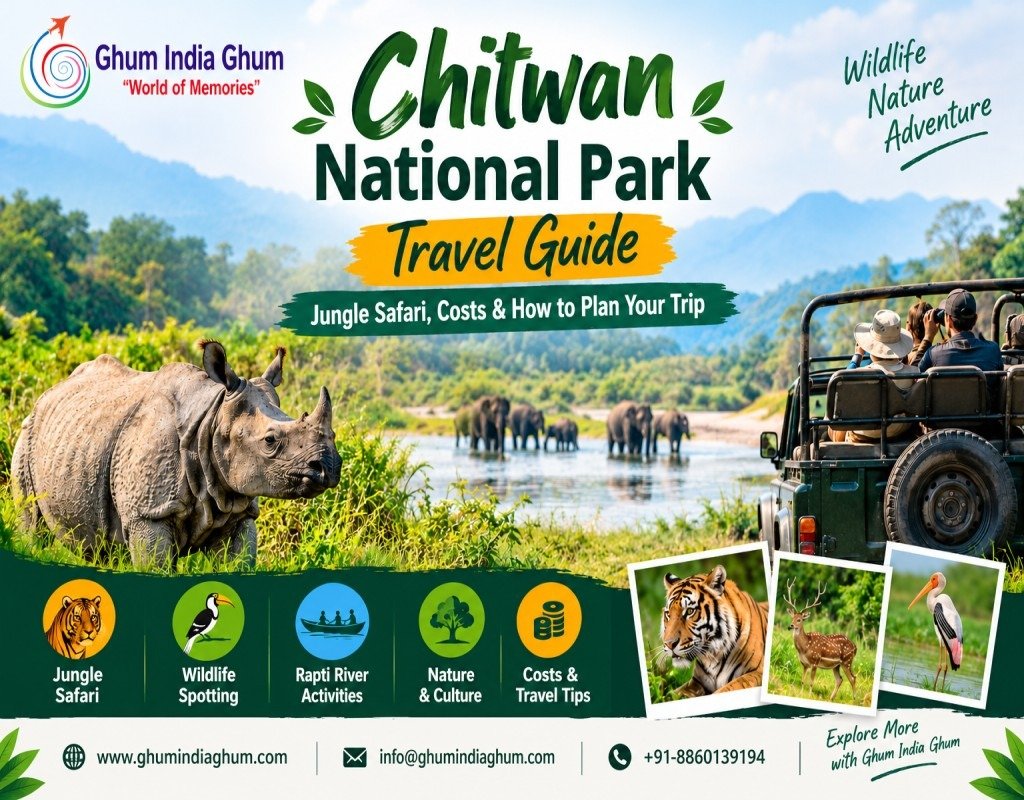

At dawn in the Terai, mist hangs low over the Rapti River. A one-horned rhino grazes at the edge of the grassland, huge and unhurried. Somewhere deeper in the sal forest, a tiger may be watching. This is Chitwan National Park, Nepal’s first national park and one of the best wildlife destinations in South Asia.
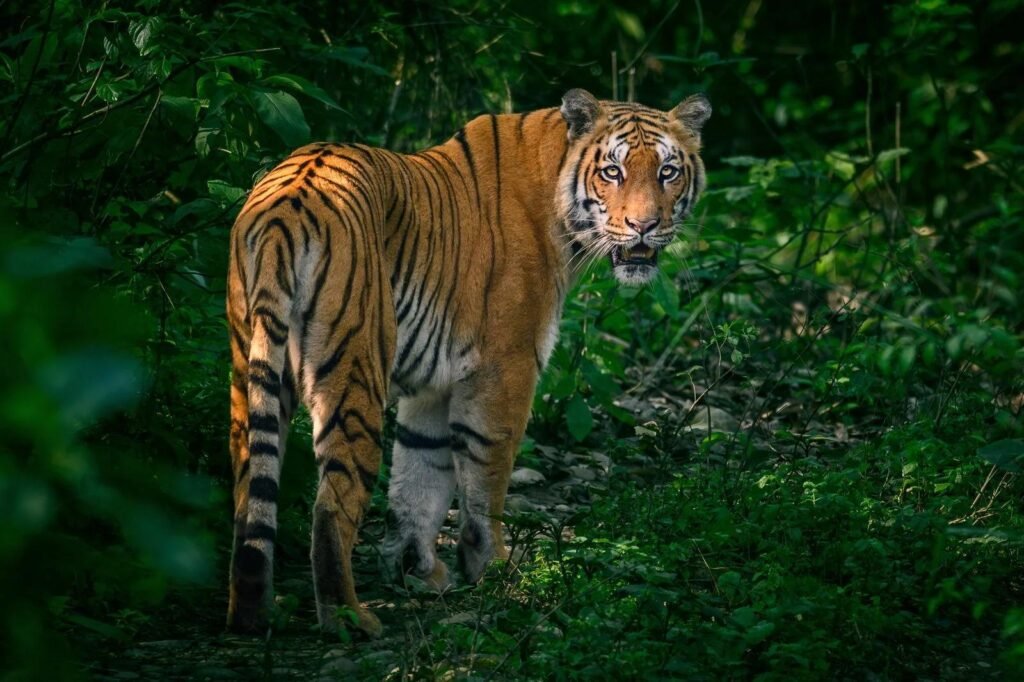
The tiger story got better in 2026. Nepal’s national census, announced on World Tiger Day, counted 429 wild tigers across the country, up from 355 in 2022. Chitwan and its surrounding forests hold 145 of them, more than any other park in Nepal.
This Chitwan National Park travel guide covers what you need to plan your trip: the best time to go, how to get there, how safaris work, what it costs, and what to realistically expect. It also covers Bardia National Park as a quieter alternative. A short FAQ is included for quick planning.
Quick answer: Chitwan National Park sits in Nepal’s southern Terai, roughly 150–165 km from Kathmandu. You can reach it in 5–7 hours by tourist bus or about 25 minutes by flight to Bharatpur. Most travelers stay in Sauraha for two to three nights. The best season is October to March. Rhino sightings are common, while tiger sightings are rare, so go for the whole experience.
Chitwan National Park at a Glance
| Location | Southern Terai, Nepal |
|---|---|
| Established | 1973, Nepal’s first national park |
| UNESCO status | World Heritage Site since 1984 |
| Size | About 953 sq km, plus a buffer zone of roughly 729 sq km |
| Famous for | Greater one-horned rhinos, Bengal tigers, jungle safaris |
| Tigers | 145 in and around Chitwan (2026 census) |
| Rhinos | About 700 at the last national count (2021) |
| Main base | Sauraha |
| Best time to visit | October to March |
| Ideal duration | 2–3 nights |
Why Visit Chitwan National Park
Chitwan is the best place in Nepal to see a wild one-horned rhino. Nepal’s 2021 count recorded 752 rhinos nationwide, and more than 92 percent live in and around Chitwan. It’s the world’s second-largest rhino habitat after Kaziranga in India.
The park is a conservation success story. Nepal’s rhino population fell to around 100 animals in the 1960s. Anti-poaching patrols and community programs helped bring it back. Tiger numbers have also climbed sharply over the past decade.
Chitwan offers more than big animals. It has gharial crocodiles, sloth bears, leopards, deer, and more than 500 bird species. The park also borders India’s Valmiki Tiger Reserve, forming part of a large shared tiger landscape.
Culture is part of the experience too. The Tharu people, the Terai’s indigenous community, live in villages around the park. A visit to a Tharu village adds real local context to any wildlife trip.
What to Realistically Expect
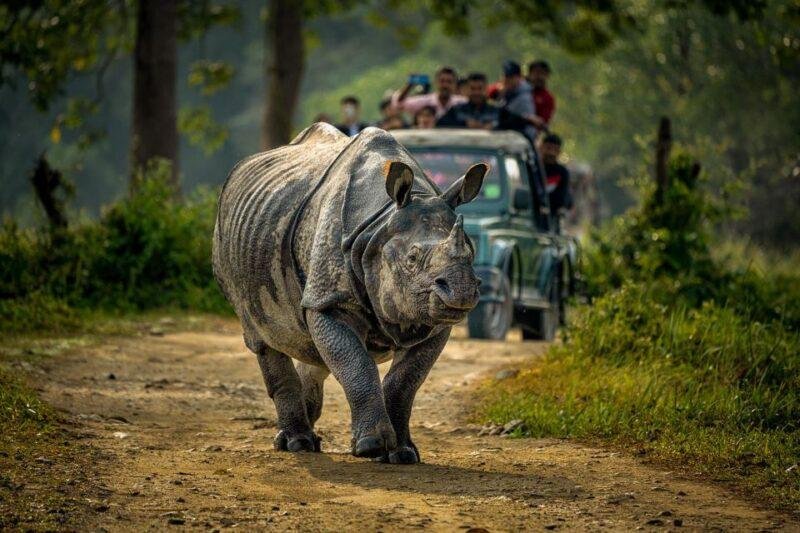
Rhinos are the reliable highlight. Most multi-day visitors see at least one. Tigers are a different story. Chitwan’s 145 tigers live across a large, forested landscape, and sightings remain rare.
Go with open eyes. A great Chitwan trip is about rhinos, birds, riverbanks, and forest, with a tiger as a bonus. No operator can promise one.
Best Time to Visit Chitwan National Park
October to March: The best overall season. Days are dry and comfortable, and skies are clear. Nights can be cool, and January is the coldest month.
Late January to March: Many guides call this the sweet spot. Local villagers cut the tall thatch grass in late January, which opens up sightlines across the grasslands. Visibility improves noticeably in the weeks after.
April to May: Hot, often above 35°C. Animals gather around shrinking waterholes, so patient visitors can be rewarded. Start early and rest in the heat of the day.
June to September (monsoon): Heavy rain, flooded rivers, tall grass, and leeches. Jungle activities are often restricted or cancelled at short notice. It’s the quietest and cheapest season, and the hardest for wildlife viewing.
How Many Days Do You Need?
Two nights is the minimum. Three nights is better, because you can combine a jeep safari, a canoe ride, a guided walk, and a birdwatching session without rushing.
Many travelers add Chitwan to a longer Nepal trip. It pairs well with Kathmandu, Pokhara, and Lumbini.
How to Get to Chitwan National Park
Getting there is one of the most common questions in any Chitwan National Park travel guide. The park is easy to reach from Nepal’s main tourist hubs.
- Tourist bus: The classic budget option from Kathmandu or Pokhara to Sauraha. It takes roughly 5–7 hours and costs around NPR 1,500–2,000 (about US$10–15).
- Flight: A domestic flight from Kathmandu to Bharatpur takes about 25 minutes. It typically costs US$100–150 one way, followed by a 30-minute taxi to Sauraha. This is a good option if time is short.
- Private car: The most flexible choice, with stops along the way and door-to-door pickup.
Weather can delay flights, especially in monsoon, so keep a buffer day before an international departure.
Chitwan Jungle Safari: What to Choose
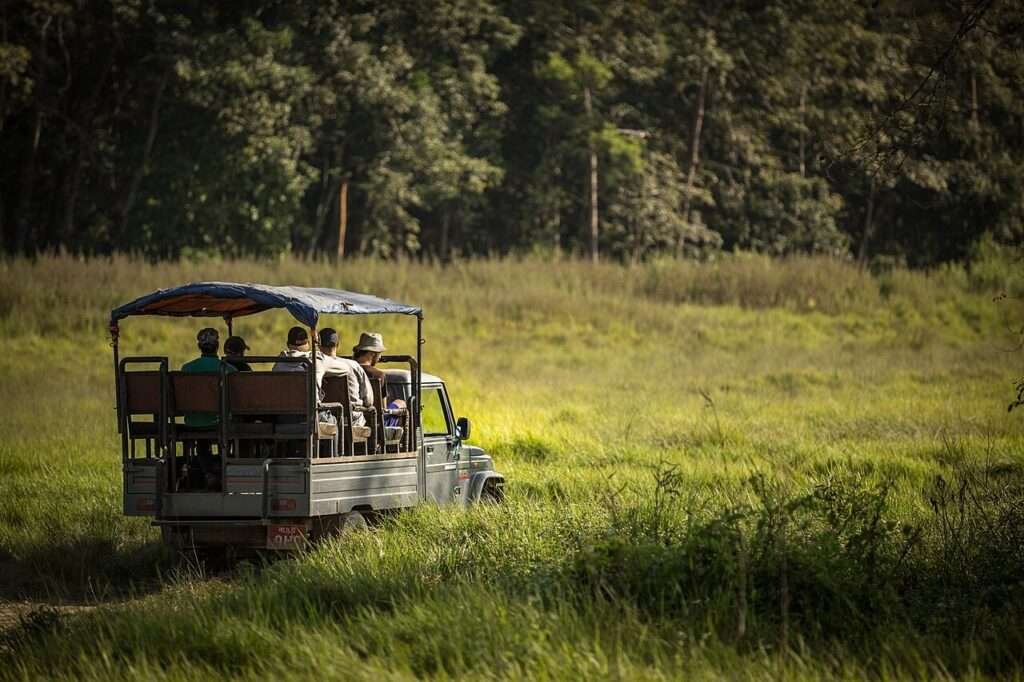
Chitwan offers several ways to explore. A mix works best.
Jeep safari: The most popular option. Half-day drives usually last around four hours, and full-day drives go deeper into the park. Jeeps cover the most ground and give good rhino odds. They’re also your best realistic chance of a tiger.
Canoe ride: A quiet dugout trip on the river. It’s excellent for birds, gharial crocodiles, and a calm change of pace. Canoe rides are often combined with a jungle walk.
Guided jungle walk: Walking is a different experience. You notice tracks, plants, and birdlife that a jeep rushes past. Walks go with trained guides, usually two, and they must be taken seriously. Follow every instruction.
Birdwatching: With 500+ species recorded, birding is a highlight. The best months are generally January to March.
A Note on Elephant Activities
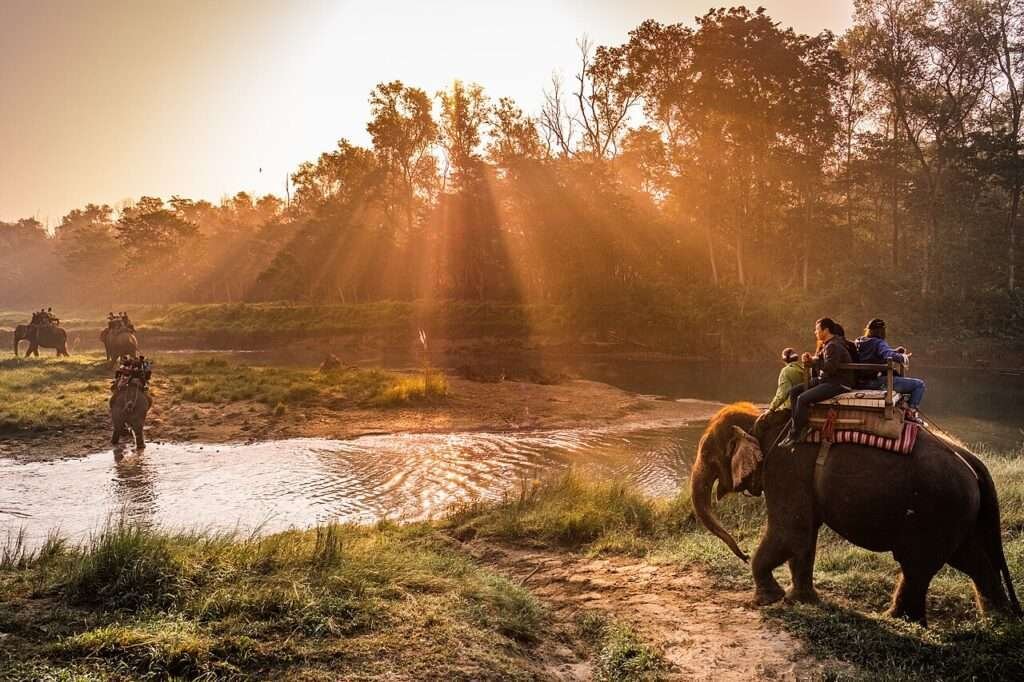
We don’t promote elephant riding. Welfare groups have raised serious concerns about riding and about chained captive elephants at some facilities. In 2026, a court directive asked Nepalese authorities to explore alternatives to elephant safaris, and many lodges have already moved away from riding.
You won’t miss out. Jeep safaris, canoe rides, guided walks, and birdwatching cover everything an elephant ride once offered. Ask any operator what’s included before you book.
Chitwan Safari Cost: What to Budget
Every Chitwan National Park travel guide should be clear on costs. Park entry is a fixed government fee. Everything else varies by lodge and operator.
| Item | Typical range |
|---|---|
| Park entry (foreign adults, per day) | NPR 2,000 |
| Park entry (SAARC nationals, per day) | NPR 1,000 |
| Children under 10 | Free |
| Tourist bus (Kathmandu or Pokhara to Sauraha) | NPR 1,500–2,000 |
| Flight (Kathmandu to Bharatpur, one way) | About US$100–150 |
| Shared jeep safari (per person) | Roughly NPR 2,500–6,000, depending on length and inclusions |
One source adds 13% VAT to park entry. Many packages don’t include the entry fee, so check what’s covered. Lodge costs vary widely by tier, and Ghum India Ghum quotes exact prices as part of your custom itinerary.
Where to Stay
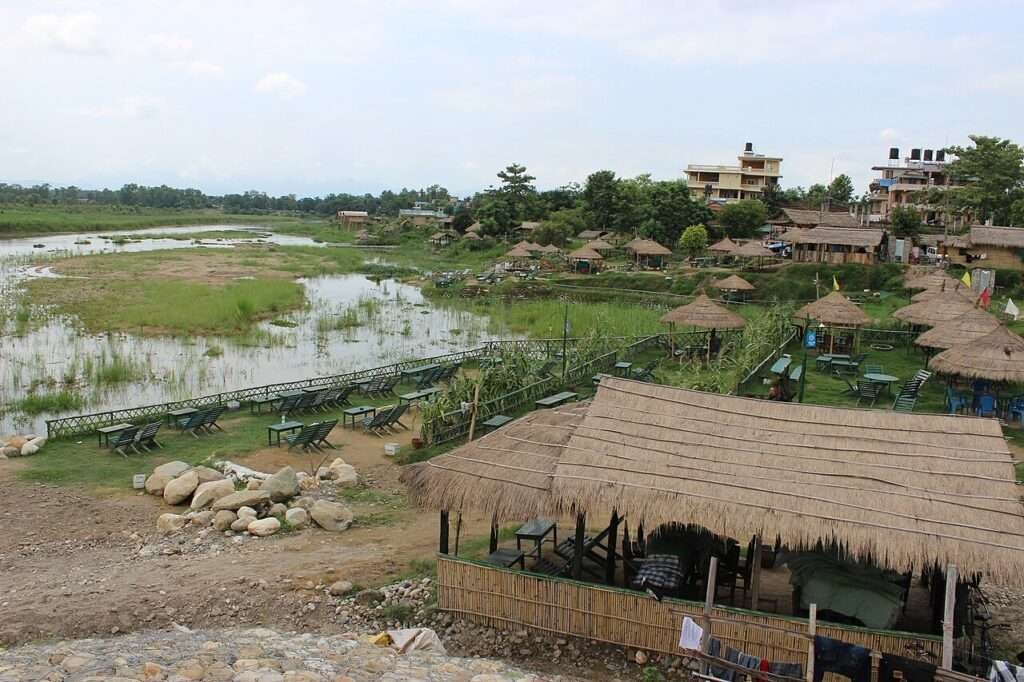
Sauraha: The main base, right at the park edge. It’s walkable, with riverside restaurants and a wide range of guesthouses and lodges. It’s best for first-time visitors.
Jungle lodges: Higher-end lodges sit in the buffer zone or on quieter sides of the park. They offer more space and a more secluded feel.
Book ahead from December to March, when demand peaks.
Tharu Culture and Village Visits
The Tharu people have lived in the Terai for generations, and their culture is closely tied to the forest and river. Many lodges offer evening cultural shows with traditional music and dance. Better still, ask for a visit to a Tharu village or a community-run homestay. It supports local families directly and gives your trip more depth.
Sample Chitwan Itineraries
2 nights:
- Day 1: Arrive in Sauraha and take a sunset riverside walk.
- Day 2: Jeep safari in the morning, rest at midday, then a canoe ride and guided walk in the afternoon.
- Day 3: Early birdwatching walk, then depart.
3 nights (from this Chitwan National Park travel guide):
- Follow the plan above, then add a full-day jeep safari and a Tharu village visit.
Combined with Nepal’s highlights:
- Kathmandu Valley and Chitwan: Three days in the valley, then two to three nights in Chitwan. See our Kathmandu travel guide.
- Pokhara and Chitwan: Pair lakeside Pokhara with the jungle. See our Pokhara travel guide.
- UNESCO circuit: Chitwan is one of Nepal’s four World Heritage properties, along with the Kathmandu Valley, Lumbini, and Sagarmatha. Read our guide to the UNESCO sites in Nepal.
Bardia National Park: A Quieter Alternative
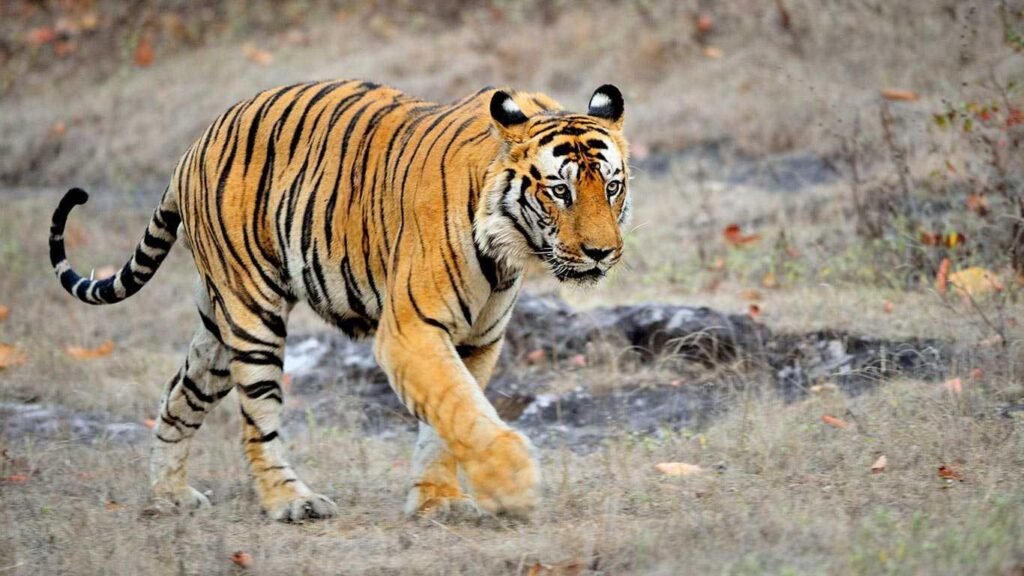
If you want fewer crowds and a wilder feel, consider Bardia National Park in Nepal’s far west. It has the second-largest tiger population in Nepal, with 112 tigers in the 2026 census. It’s far less visited than Chitwan, and many guides consider it a better bet for tigers, though no park offers a guarantee.
Bardia is remote. It sits roughly 585 km from Kathmandu. Most travelers fly to Nepalgunj, about one hour, then drive 2.5–3 hours to Thakurdwara at the park gate. The bus takes 12–16 hours. Entry fees vary widely between sources, so confirm the current rate before you go.
Choose Chitwan for easy access and reliable rhino sightings. Choose Bardia if you have extra days and want a more secluded experience.
A Wider Wildlife Circuit: India, Nepal, and Sri Lanka
Chitwan fits neatly into a larger wildlife journey. Many travelers pair it with India’s national parks, such as Ranthambore for tigers, or Kuno for cheetahs. See our Kuno National Park travel guide for that leg. Sri Lanka’s Yala National Park adds leopards.
Ghum India Ghum works as a DMC for Nepal and a DMC for Sri Lanka as well as India, through trusted local partners. One team can coordinate the whole route.
Chitwan for Indian Travelers
Indian citizens don’t need a visa for Nepal. A valid passport or voter ID is sufficient. Chitwan also costs less for SAARC nationals, with park entry at NPR 1,000 instead of NPR 2,000.
Several land crossings from India lead toward Chitwan, including Sunauli and Raxaul. Ask us for the best route from your city.
LGBTQ+ travelers can read our note on Nepal’s legal and social context in our guide to the UNESCO sites in Nepal.
Safety and Responsible Travel
Chitwan is a real wildlife park, so follow the rules.
- Stay with your guide at all times, and never approach animals.
- Wear neutral colors such as green, brown, or khaki.
- Keep your voice low. Quiet visitors see more.
- Use insect repellent, especially at dusk.
- Choose operators that follow park rules and respect animal welfare.
Frequently Asked Questions
A. Yes. It’s the best place in Nepal to see wild one-horned rhinos, with a rich mix of birds and other wildlife.
A. Occasionally, but it’s rare. The 2026 census counted 145 tigers in and around Chitwan, though sightings are never guaranteed.
A. October to March, with late January to March especially good for visibility.
A. Take a 5–7 hour tourist bus, or fly to Bharatpur in about 25 minutes.
A. NPR 2,000 per day for most foreign adults and NPR 1,000 for SAARC nationals. Fees can change.
A. Two to three nights is ideal.
Plan Your Trip
This Chitwan National Park travel guide should help you plan with realistic expectations. Rhinos, riverbanks, birdlife, and a chance at a tiger make this one of the most rewarding stops in Nepal.
If you’d rather have the logistics handled, Ghum India Ghum builds custom Nepal and India itineraries for travelers from the US, Europe, and India. We have more than 15 years of experience in India travel, five years running Nepal itineraries, and trusted partners on the ground. We’re recognized by the Ministry of Tourism, Government of India, and we hold a 4.8 out of 5 rating across more than 800 Google reviews at the time of writing. We also have offices in Milan and the USA, so you get direct, time-zone-friendly support before you go.
Looking for a DMC for Nepal, or a traveler ready to plan? Explore our Ultimate Nepal Tour and our Kathmandu and Pokhara tour packages, and tell us you’d like Chitwan included. To combine Nepal with Delhi, Agra, and Jaipur, see our Golden Triangle Tour with Nepal. Get in touch and we’ll build the right route for your time and interests.
