


Varanasi, also known as Kashi or Banaras, is one of the world’s oldest continuously inhabited cities and the spiritual heart of India. Home to thousands of shrines and temples, it attracts millions of pilgrims, spiritual seekers, photographers, and cultural travelers every year. While the city is best known for the sacred Kashi Vishwanath Temple, many other temples offer unique legends, architectural beauty, and deeply rooted religious traditions.
This guide introduces the top 10 temples in Varanasi, complete with their history, spiritual significance, visiting tips, timings, and nearby attractions. Whether you are planning your first pilgrimage or returning to experience the timeless charm of Kashi, this guide will help you make the most of your journey.
If you are planning your first visit, explore our carefully designed Varanasi Tour Packages, which combine temple visits, Ganga Aarti, sunrise boat rides, heritage walks, and comfortable accommodation. Whether you are traveling solo, with family, or in a group, these itineraries help you experience the spiritual essence of Kashi without the hassle of planning every detail.
Why Visit the Temples of Varanasi?
Varanasi is much more than a religious destination. It is a living city where ancient rituals, sacred chants, and everyday life blend seamlessly. According to Hindu tradition, Lord Shiva chose Kashi as His eternal abode, making it one of the holiest places for attaining spiritual liberation (moksha).
The city’s temples preserve centuries-old traditions through daily rituals, festivals, and ceremonies that continue much as they have for generations. Visitors can witness early morning prayers, devotional music, evening aartis, and age-old customs that create an unforgettable spiritual atmosphere.
Beyond their religious importance, these temples showcase remarkable architecture, intricate carvings, and fascinating stories from Hindu mythology. Exploring them also offers a glimpse into the rich cultural heritage of Varanasi, from its bustling markets and traditional sweets to its famous silk weaving and vibrant ghats.
Quick Comparison of the Top Temples in Varanasi
| Temple | Dedicated To | Best Known For | Approximate Visit Time |
|---|---|---|---|
| Kashi Vishwanath Temple | Lord Shiva | One of the 12 Jyotirlingas | 1–2 Hours |
| Kal Bhairav Temple | Kal Bhairav | Guardian deity of Kashi | 30–45 Minutes |
| Sankat Mochan Temple | Lord Hanuman | Removing obstacles | 45 Minutes |
| Durga Kund Temple | Goddess Durga | Nagara-style architecture | 45 Minutes |
| Annapurna Temple | Goddess Annapurna | Goddess of nourishment | 30 Minutes |
| Tulsi Manas Temple | Lord Rama | Ramcharitmanas inscriptions | 45 Minutes |
| New Vishwanath Temple | Lord Shiva | BHU campus temple | 45 Minutes |
| Mrityunjay Mahadev Temple | Lord Shiva | Healing and longevity | 45 Minutes |
| Nepali Temple | Lord Shiva | Wooden pagoda architecture | 30 Minutes |
| Bharat Mata Temple | Mother India | Unique marble map of India | 30 Minutes |
1. Kashi Vishwanath Temple
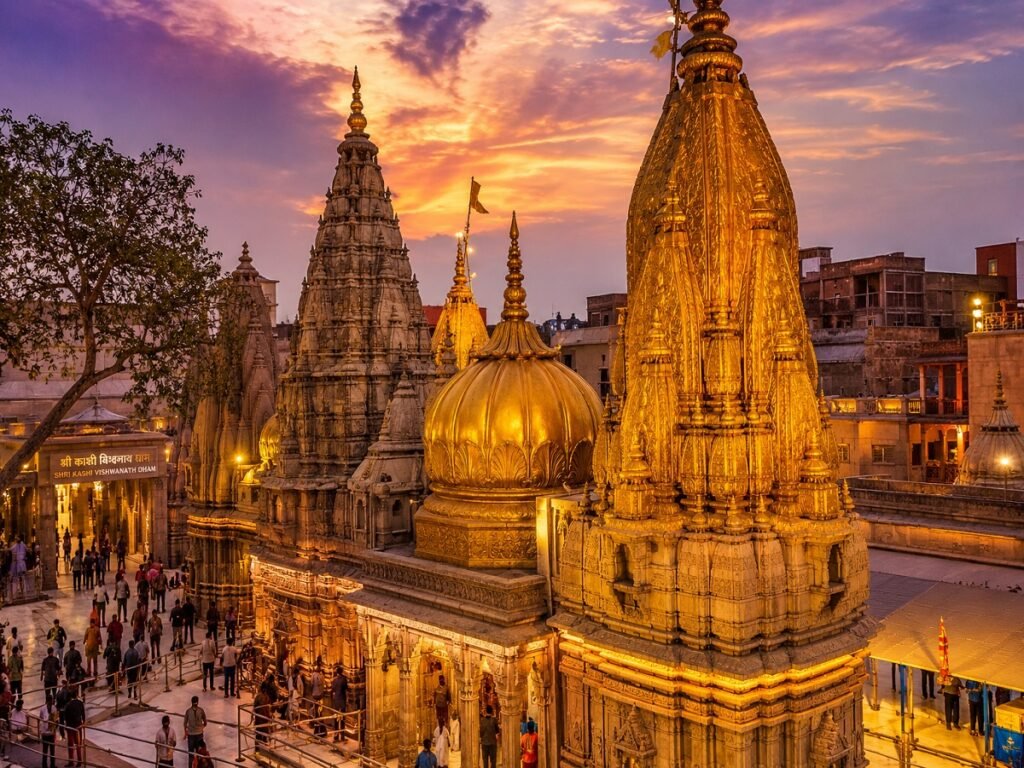
Temple Overview
No pilgrimage to Varanasi is complete without visiting the magnificent Kashi Vishwanath Temple. Dedicated to Lord Shiva, this sacred shrine is one of the twelve revered Jyotirlingas in India and stands as the spiritual centerpiece of Varanasi.
Every year, millions of devotees from across India and around the world visit the temple to seek Lord Shiva’s blessings. The temple is especially vibrant during Mahashivratri, Shravan month, and Dev Deepawali.
Why Visit?
- One of India’s twelve Jyotirlingas.
- Spiritual heart of Varanasi.
- Newly developed Kashi Vishwanath Corridor offers improved access from the Ganga.
- Extraordinary spiritual atmosphere with continuous chanting and rituals.
Historical and Mythological Significance
Ancient Hindu scriptures describe Kashi as Lord Shiva’s eternal city. It is believed that a pilgrimage to Kashi Vishwanath grants immense spiritual merit and brings devotees closer to attaining moksha.
Over centuries, the temple has been rebuilt multiple times following invasions and destruction. The present structure was commissioned in 1780 by Queen Ahilyabai Holkar of Indore, while later additions, including the golden spire, were contributed by Maharaja Ranjit Singh.
Architectural Highlights
The temple features classic North Indian temple architecture with beautifully sculpted stonework and a striking gold-plated dome that gleams in the sunlight. The surrounding corridor has transformed the visitor experience while preserving the temple’s sacred character.
Timings
Generally open from early morning until late evening, with several darshan and aarti sessions throughout the day. Timings may vary during festivals.
Entry Fee
Free for general darshan. Special darshan and aarti passes are available.
Dress Code
Modest clothing is recommended. Comfortable footwear is advisable, although shoes must be removed before entering.
Photography
Photography and mobile phones are generally restricted inside the temple complex. Visitors should check the latest regulations before arrival.
Best Time to Visit
Visit between 4:00 AM and 7:00 AM for the Mangala Aarti and a peaceful darshan before the crowds build up.
Nearby Attractions
- Dashashwamedh Ghat
- Manikarnika Ghat
- Annapurna Temple
- Vishwanath Gali
- Local sweet shops and silk stores
Insider Tip
Hire an experienced local guide to better understand the temple’s rituals, mythology, and surrounding heritage lanes. Early morning visits usually provide a smoother experience.
Who Should Visit?
Ideal for pilgrims, first-time visitors to Varanasi, spiritual seekers, photographers interested in cultural life, and international travelers exploring India’s sacred heritage.
2. Kal Bhairav Temple
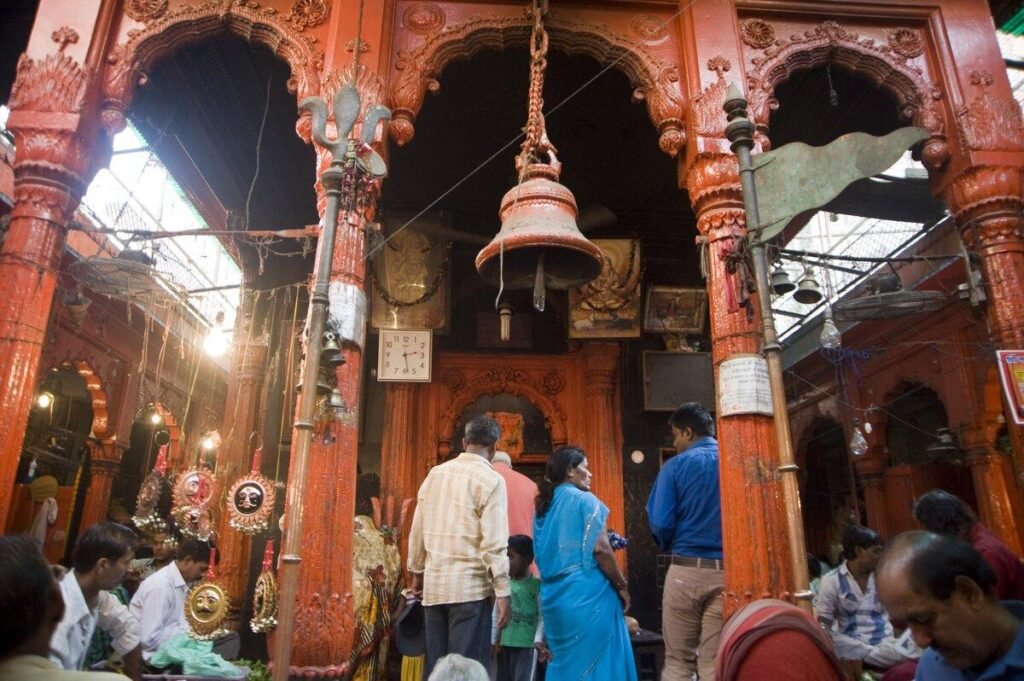
Temple Overview
Dedicated to Kal Bhairav, the fierce manifestation of Lord Shiva, this temple is regarded as one of the most powerful shrines in Varanasi. Kal Bhairav is believed to be the guardian deity and protector of Kashi.
Traditionally, devotees consider a visit to Kal Bhairav Temple essential for completing their pilgrimage to Varanasi.
Why Visit?
- Guardian deity of Varanasi.
- One of the city’s oldest temples.
- Strong spiritual significance among devotees.
- Unique traditions not found elsewhere.
Mythological Importance
According to Hindu mythology, Lord Shiva created Kal Bhairav to uphold cosmic order. Devotees believe that no one can truly enter or leave Kashi without the blessings of Kal Bhairav.
Many pilgrims purchase the sacred black thread from the temple, believing it offers protection and blessings.
Architectural Features
The temple’s simple yet ancient architecture reflects centuries of devotion. The sanctum houses the revered idol of Kal Bhairav, adorned with flowers, garlands, and offerings.
Timings
Open daily from morning until evening.
Entry Fee
Free.
Photography
Restricted inside the sanctum.
Best Time to Visit
Morning hours generally offer shorter waiting times.
Nearby Attractions
- Visheshwarganj Market
- Kashi Vishwanath Temple
- Annapurna Temple
Insider Tip
Visit Kal Bhairav Temple after Kashi Vishwanath to follow the traditional pilgrimage sequence observed by many devotees.
Who Should Visit?
Pilgrims, devotees of Lord Shiva, mythology enthusiasts, and travelers seeking a deeper understanding of Kashi’s religious traditions.
3. Sankat Mochan Hanuman Temple
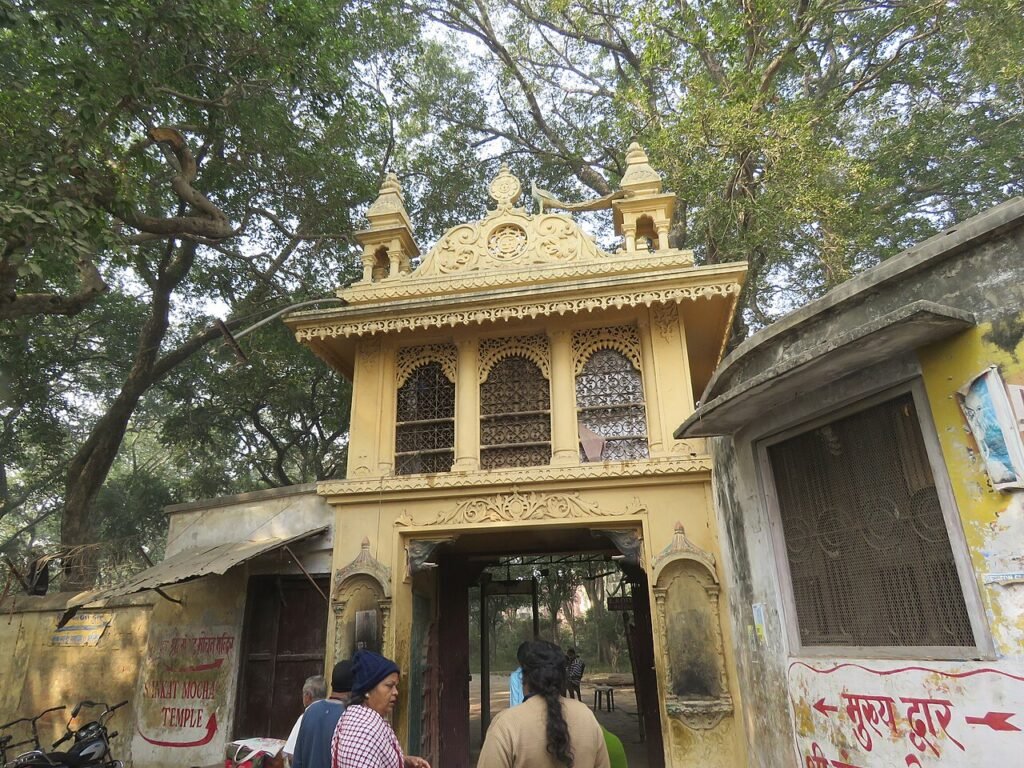
Temple Overview
One of the most beloved temples in Varanasi, Sankat Mochan Temple is dedicated to Lord Hanuman, the remover of obstacles and symbol of strength and devotion.
The temple attracts thousands of devotees every Tuesday and Saturday, considered especially auspicious for Hanuman worship.
Why Visit?
- Peaceful spiritual atmosphere.
- Famous Hanuman temple.
- Known for fulfilling devotees’ prayers.
- Renowned Sankat Mochan Music Festival.
Historical Background
The temple is closely associated with Goswami Tulsidas, the celebrated poet-saint who composed the Ramcharitmanas. According to tradition, Lord Hanuman appeared before Tulsidas at this sacred site.
Architecture
The temple combines simplicity with devotion, emphasizing spiritual experience rather than elaborate ornamentation.
Timings
Morning and evening darshan are available daily.
Entry Fee
Free.
Photography
Generally not permitted inside the temple.
Best Time to Visit
Early mornings are peaceful and less crowded.
Nearby Attractions
- Banaras Hindu University
- Tulsi Manas Temple
- Durga Kund Temple
Insider Tip
Taste the temple’s famous besan laddoo prasad, which many devotees consider one of the highlights of their visit.
Who Should Visit?
Families, devotees, students, and international visitors interested in living Hindu traditions.
4. Durga Kund Temple
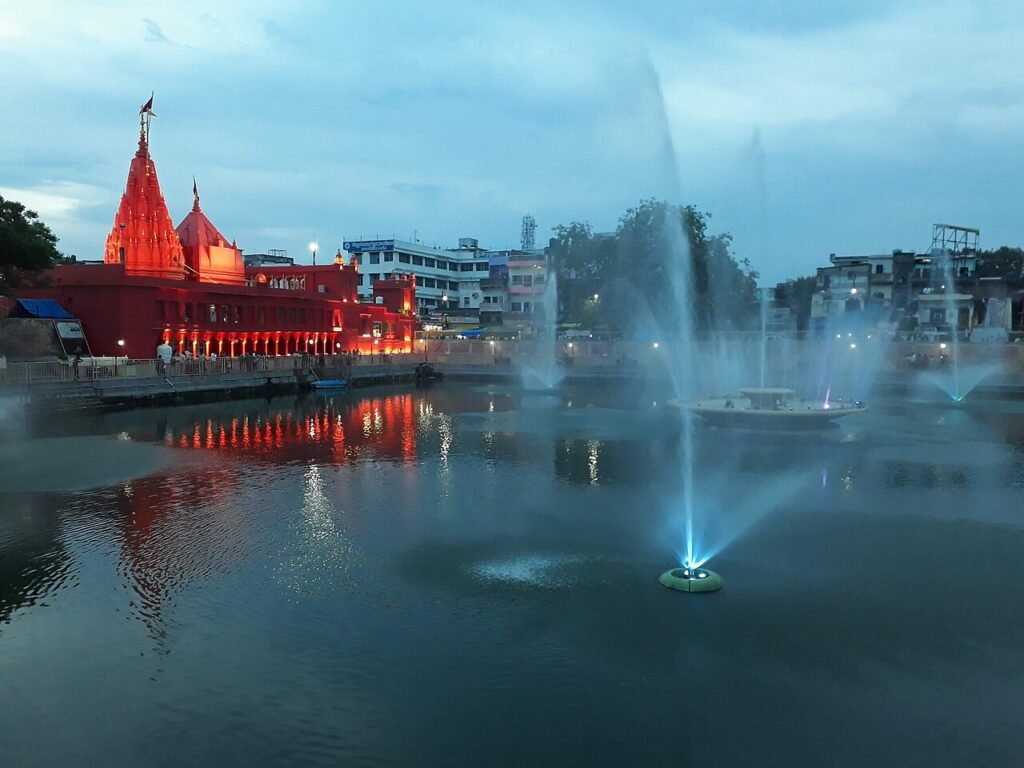
Temple Overview
Commonly known as the Monkey Temple due to the large number of monkeys in the area, Durga Kund Temple is dedicated to Goddess Durga and is among Varanasi’s most iconic Shakti temples.
Located beside a sacred pond (kund), the temple is especially crowded during Navratri when thousands gather to worship the Goddess.
Why Visit?
- Vibrant red-colored temple.
- Beautiful Nagara-style architecture.
- Major Navratri celebrations.
- Sacred pond beside the temple.
Historical Significance
The present temple dates back to the 18th century and is believed to house a self-manifested idol of Goddess Durga. Local traditions hold that the deity was not installed by humans but appeared here naturally.
Architecture
The temple’s striking red exterior symbolizes the fierce energy of Goddess Durga. Its elegant shikhara and intricate carvings make it a favorite among architecture enthusiasts.
Timings
Open daily from morning to evening.
Entry Fee
Free.
Photography
Allowed in outer areas but should be avoided inside the sanctum unless permitted.
Best Time to Visit
Navratri offers a vibrant cultural experience, while early mornings provide a quieter atmosphere.
Nearby Attractions
- Sankat Mochan Temple
- Tulsi Manas Temple
- Banaras Hindu University
Insider Tip
Keep personal belongings secure, as monkeys are known to grab food and loose items.
Who Should Visit?
Devotees of Goddess Durga, photographers, families, and travelers interested in Hindu festivals.
Devotees interested in the Divine Mother should also visit Vishalakshi Temple, one of the revered Shakti Peethas in India. According to Hindu tradition, the temple holds immense spiritual significance and attracts pilgrims from across the country. Learn more in our detailed guide to the Shakti Peeth in Varanasi – Vishalakshi Temple.
5. Annapurna Temple
Temple Overview
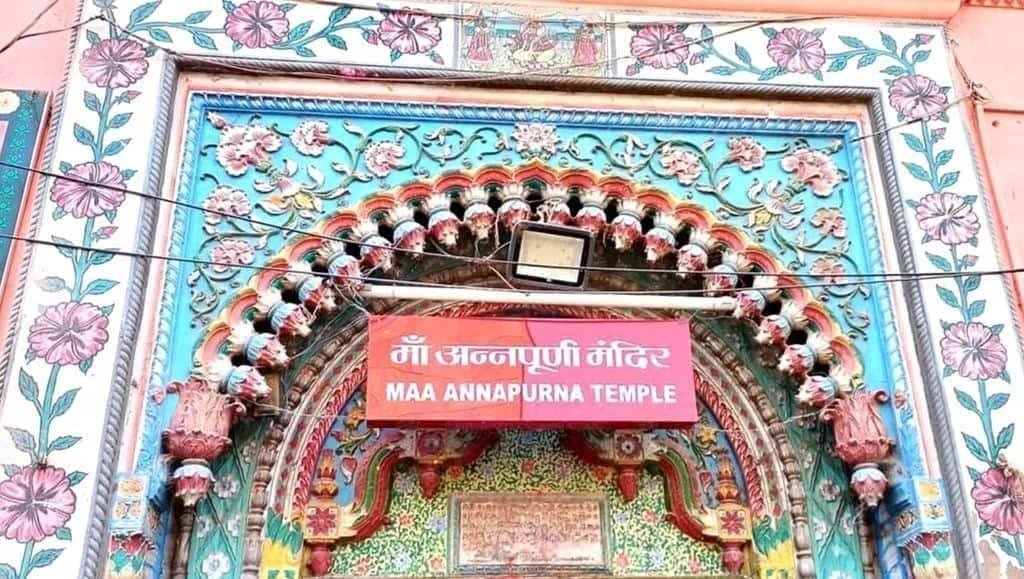
Situated close to Kashi Vishwanath Temple, Annapurna Temple is dedicated to Goddess Annapurna, the divine provider of food and nourishment. Many pilgrims include this temple immediately after visiting Kashi Vishwanath, believing that spiritual fulfillment is complemented by the blessings of abundance and prosperity.
The peaceful atmosphere and beautiful idol of the Goddess make this temple a meaningful stop during any Varanasi pilgrimage.
Why Visit?
- One of the most revered temples dedicated to Goddess Annapurna.
- Closely associated with Kashi Vishwanath Temple.
- Symbolizes prosperity, nourishment, and compassion.
- Important stop on the traditional Kashi pilgrimage route.
Mythological Importance
According to Hindu mythology, Lord Shiva once declared that the material world was merely an illusion. To demonstrate the importance of food and sustenance, Goddess Parvati appeared as Annapurna and distributed food to all beings, including Lord Shiva Himself. Since then, devotees have worshipped Goddess Annapurna as the eternal provider of nourishment and abundance.
Architecture
Though smaller than many of Varanasi’s major temples, Annapurna Temple features graceful North Indian architecture with beautifully decorated sanctums and intricate carvings. The temple’s serene setting offers a welcome contrast to the bustling lanes nearby.
Timings
Open daily from morning until evening.
Entry Fee
Free.
Photography
Photography is generally restricted inside the sanctum.
Best Time to Visit
Visit immediately after your darshan at Kashi Vishwanath Temple, preferably in the morning.
Nearby Attractions
- Kashi Vishwanath Temple
- Vishwanath Gali
- Dashashwamedh Ghat
- Local markets selling Banarasi silk and traditional sweets
Insider Tip
Take time to explore the narrow lanes around the temple, where you’ll find authentic Banarasi snacks, handcrafted souvenirs, and centuries-old shops that reflect the city’s living heritage.
Who Should Visit?
Pilgrims, families, cultural travelers, food heritage enthusiasts, and anyone seeking a deeper understanding of the spiritual traditions of Kashi.
A pilgrimage to Varanasi is also incomplete without experiencing its legendary cuisine. After visiting Annapurna Temple—the Goddess of nourishment, take time to savor authentic Banarasi delicacies such as kachori sabzi, tamatar chaat, malaiyyo (seasonal), baati chokha, and Banarasi paan. Read our complete guide to the Best Food in Varanasi: 10 Local Dishes You Should Never Miss to discover the city’s most iconic flavors.
6. Tulsi Manas Temple
Temple Overview
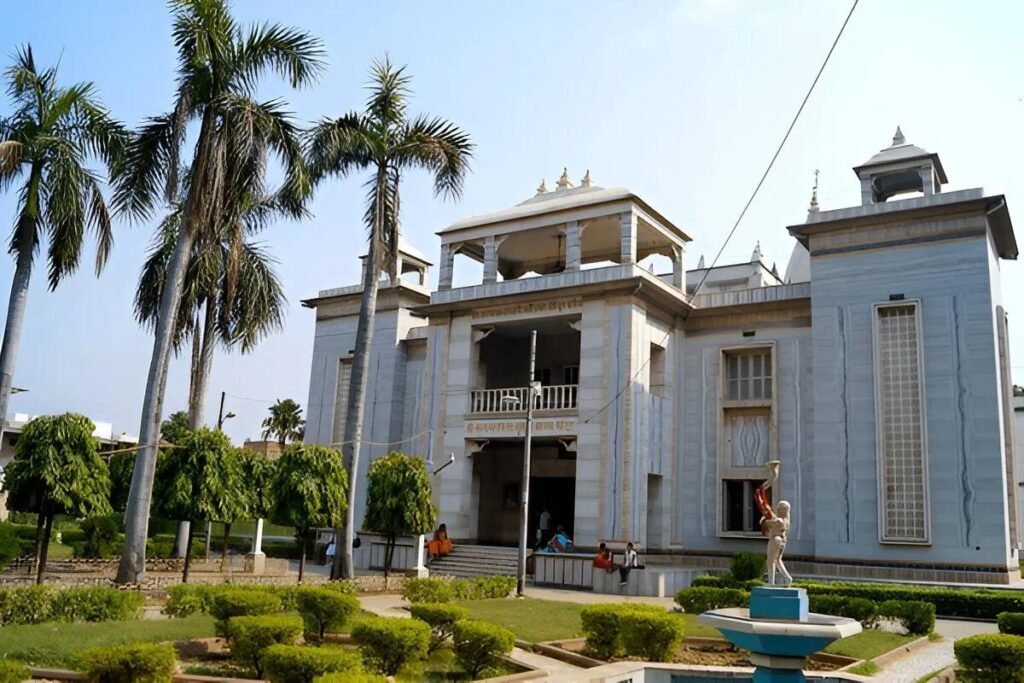
Nestled in the peaceful Durga Kund area, Tulsi Manas Temple is one of the most culturally significant temples in Varanasi. Dedicated to Lord Rama, this elegant white marble temple stands at the site where the revered poet-saint Goswami Tulsidas is believed to have composed the Ramcharitmanas in the 16th century.
Unlike many ancient temples in Varanasi, Tulsi Manas Temple offers a calm and spacious environment, making it especially appealing to families and international visitors who wish to experience spirituality without navigating crowded lanes.
Why Visit?
- Believed to be the birthplace of the Ramcharitmanas.
- Beautiful white marble architecture.
- Verses from the Ramcharitmanas engraved on the walls.
- Peaceful gardens and devotional atmosphere.
- Excellent destination for cultural and spiritual learning.
Historical & Spiritual Significance
The Ramcharitmanas transformed the way millions of devotees understood the story of Lord Rama by presenting it in Awadhi instead of Sanskrit. As a result, the scripture became accessible to ordinary people across northern India.
The temple commemorates this extraordinary literary and spiritual achievement. Visitors can read engraved verses while learning about the life and teachings of Goswami Tulsidas.
Architectural Highlights
Constructed entirely from white marble, the temple reflects simplicity and elegance. Beautiful carvings, statues depicting scenes from the Ramayana, and landscaped gardens create a serene atmosphere.
Mechanical displays illustrating important episodes from Lord Rama’s life further enrich the visitor experience.
Timings
Generally open daily from early morning until evening.
Entry Fee
Free.
Photography
Photography is usually permitted in the temple gardens and outer premises. Visitors should respect restrictions inside prayer areas.
Best Time to Visit
Morning hours between 8:00 AM and 10:00 AM provide a peaceful experience before larger tour groups arrive.
Nearby Attractions
- Durga Kund Temple
- Sankat Mochan Hanuman Temple
- Banaras Hindu University
- Bharat Kala Bhavan Museum
Insider Tip
Spend a few extra minutes reading the engraved verses on the temple walls. Even visitors unfamiliar with Hindu scriptures appreciate their philosophical depth and artistic presentation.
Who Should Visit?
Ideal for literature lovers, devotees of Lord Rama, families, students, historians, and travelers interested in India’s spiritual heritage.
7. New Vishwanath Temple (Birla Temple)
Temple Overview
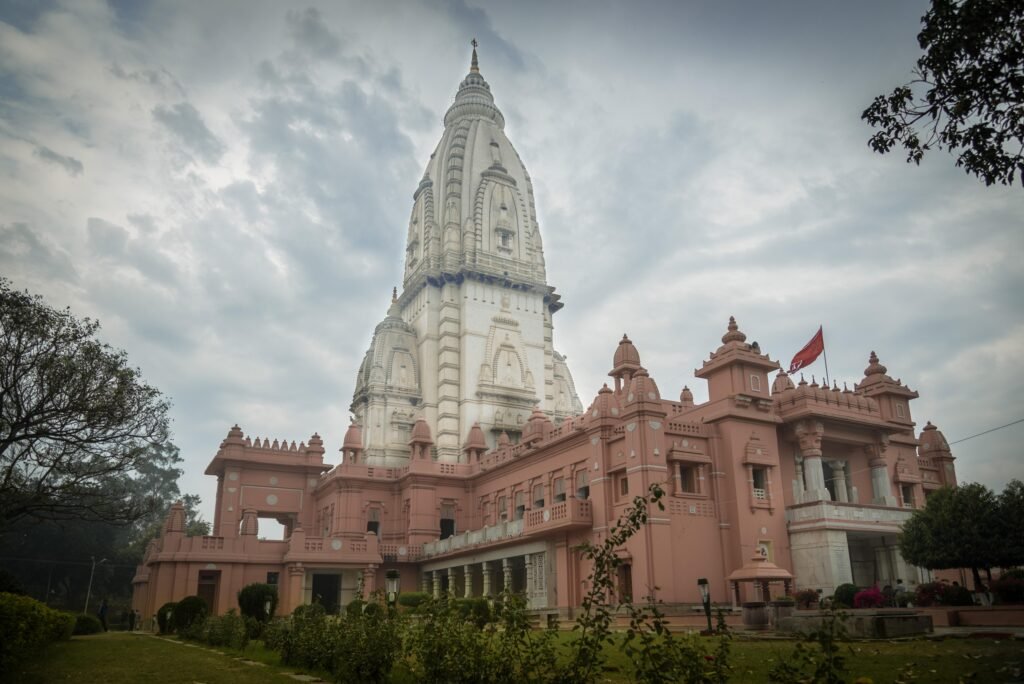
Located within the lush campus of Banaras Hindu University (BHU), the New Vishwanath Temple is among the tallest temples in India. Built by the Birla family, it serves as a modern tribute to the original Kashi Vishwanath Temple while promoting universal spirituality and education.
Unlike the old city’s narrow lanes, this temple offers spacious surroundings, beautiful gardens, and a peaceful environment that many visitors find refreshing.
Why Visit?
- One of India’s tallest temples.
- Beautiful marble interiors.
- Located inside the prestigious BHU campus.
- Less crowded than many central Varanasi temples.
- Welcomes visitors from all backgrounds.
Historical Importance
Pandit Madan Mohan Malaviya envisioned a temple that would symbolize India’s spiritual and educational values within BHU. The Birla family later helped bring this vision to life.
The temple also reflects the philosophy that education and spirituality complement one another.
Architectural Highlights
Constructed primarily from white marble, the temple features soaring towers, spacious prayer halls, and beautifully inscribed verses from the Bhagavad Gita.
The peaceful gardens surrounding the temple provide excellent opportunities for quiet reflection.
Timings
Open daily from morning until evening.
Entry Fee
Free.
Photography
Photography is generally allowed in the outer areas.
Best Time to Visit
Late afternoon offers pleasant weather and beautiful natural lighting for photography.
Nearby Attractions
- Bharat Kala Bhavan Museum
- BHU Campus
- Sankat Mochan Temple
- Tulsi Manas Temple
Insider Tip
Combine your visit with Bharat Kala Bhavan Museum to better understand Varanasi’s artistic, archaeological, and cultural heritage.
Who Should Visit?
Students, families, photographers, architecture enthusiasts, and international travelers seeking a peaceful spiritual experience.
8. Mrityunjay Mahadev Temple
Temple Overview
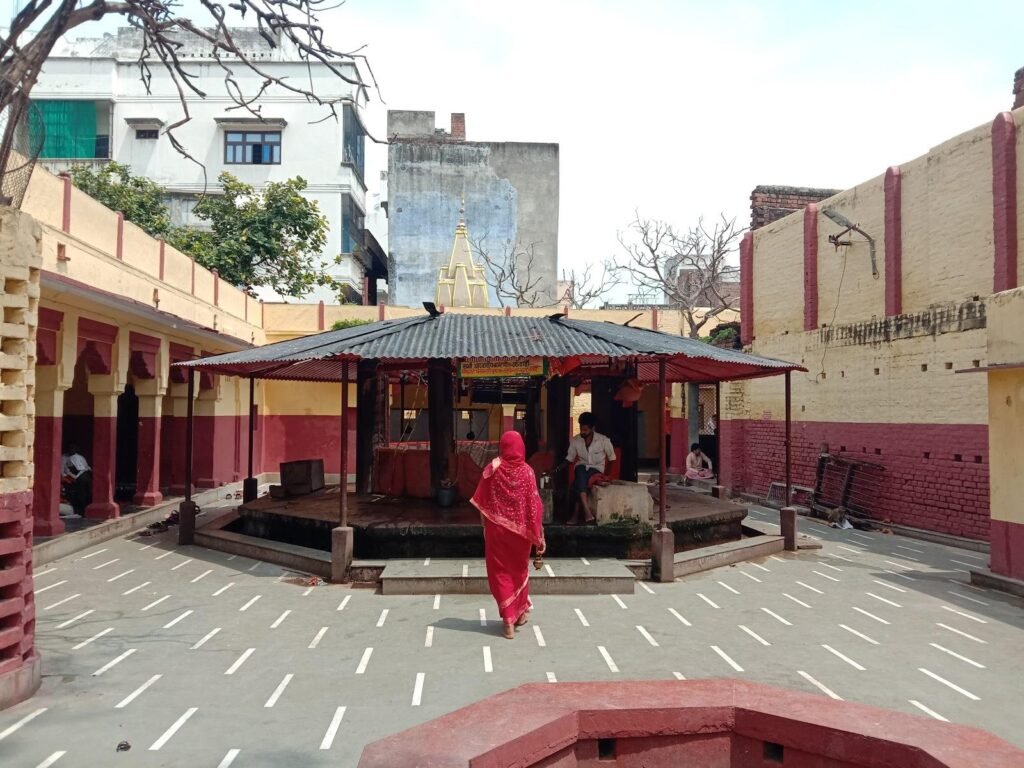
Hidden within the historic lanes of Varanasi, Mrityunjay Mahadev Temple is one of the city’s oldest Shiva temples. Devotees worship Lord Shiva here as the conqueror of death and the protector of health and longevity.
Although it receives fewer visitors than Kashi Vishwanath, many locals consider it one of the most spiritually powerful temples in Kashi.
Why Visit?
- Ancient Shiva temple.
- Associated with the Mahamrityunjaya Mantra.
- Believed to promote healing and well-being.
- Less crowded and deeply devotional.
Mythological Importance
The temple is closely connected with the sacred Mahamrityunjaya Mantra, one of Hinduism’s most powerful prayers seeking protection, healing, and long life.
Many devotees perform special pujas here for the health and recovery of family members.
Architectural Highlights
The temple preserves traditional North Indian temple architecture with beautifully carved pillars and an ancient sanctum that has inspired devotion for centuries.
A sacred well within the complex is believed by many devotees to possess spiritually purifying qualities.
Timings
Open daily from early morning until evening.
Entry Fee
Free.
Photography
Limited inside the temple.
Best Time to Visit
Early mornings provide a peaceful atmosphere for meditation and prayer.
Nearby Attractions
- Kal Bhairav Temple
- Local traditional markets
- Historic neighborhoods of old Kashi
Insider Tip
If you’re interested in understanding local devotional traditions, observe the morning rituals when residents gather to chant the Mahamrityunjaya Mantra.
Who Should Visit?
Devotees of Lord Shiva, spiritual seekers, senior pilgrims, and visitors interested in lesser-known sacred sites.
9. Nepali Temple (Kathwala Temple)
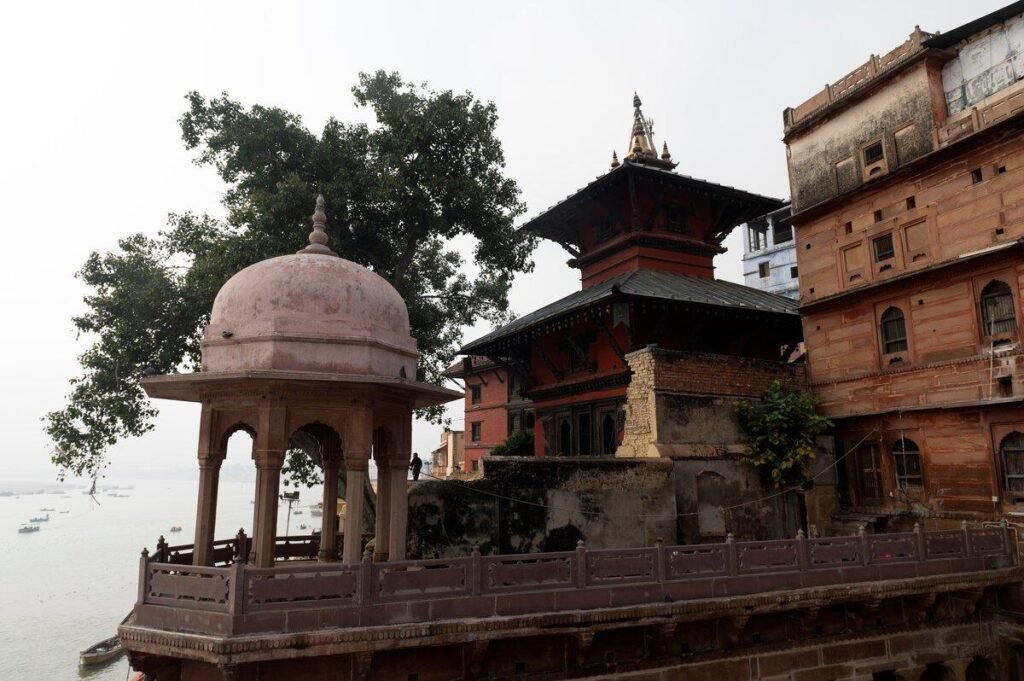
Temple Overview
Situated near Lalita Ghat, the Nepali Temple stands apart from every other temple in Varanasi because of its remarkable wooden pagoda architecture inspired by Nepal’s famous Pashupatinath Temple.
Commissioned by the King of Nepal during the 19th century, the temple offers a fascinating blend of Hindu devotion and Himalayan craftsmanship.
Why Visit?
- Unique Nepali pagoda architecture.
- Intricate wooden carvings.
- Peaceful riverside location.
- One of Varanasi’s hidden gems.
Historical Significance
The temple symbolizes the centuries-old cultural relationship between Nepal and Kashi. It also highlights the important role Varanasi has played as a spiritual destination for pilgrims from across South Asia.
Architectural Highlights
Beautiful teakwood carvings adorn nearly every surface of the temple. Delicate lattice windows, sloping roofs, and detailed sculptures showcase exceptional Nepalese craftsmanship rarely found elsewhere in India.
Timings
Open daily during daylight hours.
Entry Fee
Free.
Photography
Photography is generally allowed in the outer areas.
Best Time to Visit
Visit during sunrise or sunset when the temple overlooks the peaceful Ganga.
Nearby Attractions
- Lalita Ghat
- Manikarnika Ghat
- Kashi Vishwanath Corridor
- Dashashwamedh Ghat
Insider Tip
Include this temple while exploring the ghats on foot. Many visitors miss it because it lies slightly away from the main tourist route.
Who Should Visit?
Architecture lovers, photographers, cultural travelers, and visitors seeking hidden gems.
10. Bharat Mata Temple
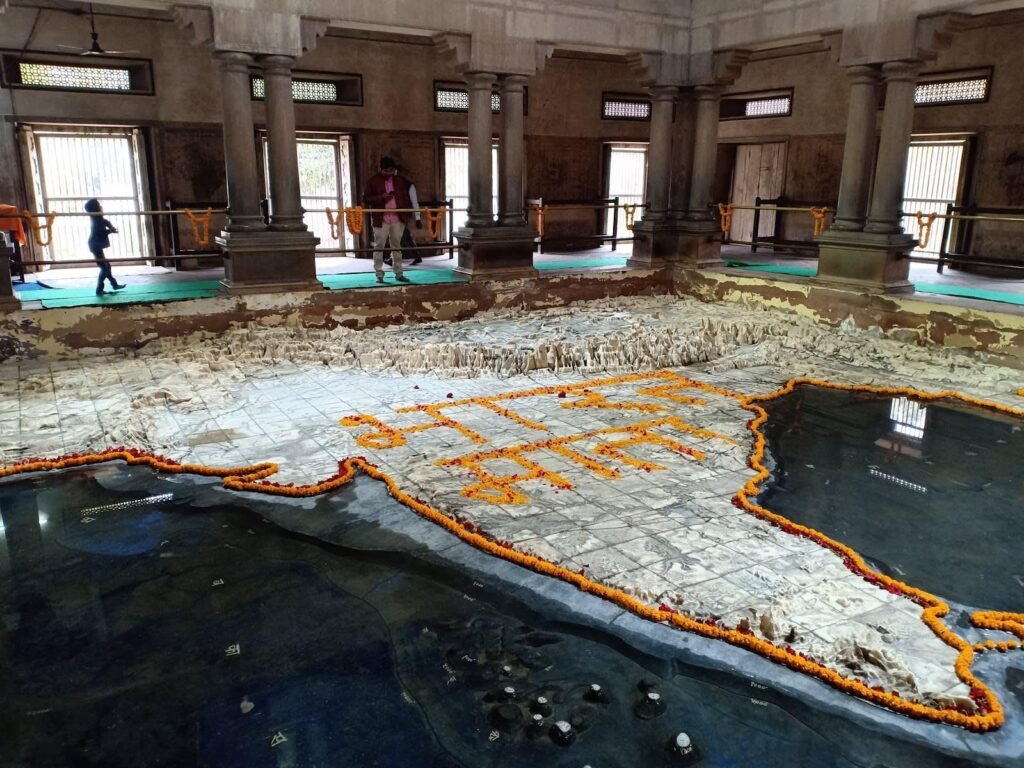
Temple Overview
Unlike most temples in India, Bharat Mata Temple does not house idols of Hindu deities. Instead, it features an intricately carved marble relief map of undivided India, symbolizing the country’s geographical unity and cultural heritage.
Mahatma Gandhi inaugurated the temple in 1936, making it one of the most distinctive landmarks in Varanasi.
Why Visit?
- Unique concept unlike any other temple.
- Magnificent marble relief map.
- Historical importance during India’s freedom movement.
- Represents national unity beyond religious boundaries.
Historical Importance
Freedom fighters envisioned Bharat Mata Temple as a symbol of India’s cultural identity. Rather than focusing on a particular deity, the temple honors the nation itself.
Its inauguration by Mahatma Gandhi adds to its historical significance.
Architectural Highlights
The temple follows a simple architectural style, drawing visitors’ attention to the impressive marble map carved with extraordinary precision.
Timings
Open daily.
Entry Fee
Free.
Photography
Generally permitted.
Best Time to Visit
Morning or late afternoon.
Nearby Attractions
- Banaras Hindu University
- Tulsi Manas Temple
- Durga Kund Temple
Insider Tip
Spend time studying the marble map with a guide to appreciate its remarkable level of geographical detail.
Who Should Visit?
History enthusiasts, students, international visitors, photographers, and families.
Which Temple Should You Visit First?
Many first-time visitors wonder about the ideal sequence for exploring Varanasi’s temples. While personal preferences vary, the traditional pilgrimage route followed by many devotees is:
- Kashi Vishwanath Temple
- Annapurna Temple
- Kal Bhairav Temple
- Sankat Mochan Temple
- Durga Kund Temple
- Tulsi Manas Temple
- New Vishwanath Temple
- Mrityunjay Mahadev Temple
- Nepali Temple
- Bharat Mata Temple
Following this order allows travelers to combine religious significance with geographical convenience, reducing travel time across the city.
Temple Comparison Guide
| Temple | Best For | Crowd Level | Photography | Family Friendly |
|---|---|---|---|---|
| Kashi Vishwanath | Pilgrimage | Very High | Restricted | Yes |
| Kal Bhairav | Spiritual Rituals | High | Limited | Yes |
| Sankat Mochan | Devotion | Moderate | Restricted | Yes |
| Durga Kund | Festivals | High | Outer Areas | Yes |
| Annapurna | Traditional Pilgrimage | Moderate | Restricted | Yes |
| Tulsi Manas | Literature & Culture | Moderate | Yes | Excellent |
| New Vishwanath | Peaceful Visit | Low | Yes | Excellent |
| Mrityunjay Mahadev | Meditation | Low | Limited | Yes |
| Nepali Temple | Architecture | Low | Yes | Yes |
| Bharat Mata | History | Low | Yes | Excellent |
One-Day Varanasi Temple Itinerary
If you have only one day in Varanasi, begin your journey before sunrise with a visit to Kashi Vishwanath Temple, followed by Annapurna Temple. Continue to Kal Bhairav Temple, then enjoy breakfast in the old city.
By late morning, visit Tulsi Manas Temple, Sankat Mochan Temple, and Durga Kund Temple. After lunch, explore the peaceful New Vishwanath Temple inside Banaras Hindu University.
In the evening, walk through the historic ghats to discover the Nepali Temple, and conclude your day with the spectacular Ganga Aarti at Dashashwamedh Ghat, one of the most unforgettable spiritual ceremonies in India.
This itinerary combines Varanasi’s most important temples with its iconic riverside experience, making it ideal for travelers with limited time.
I’ve prepared the final installment in the same publication-ready style.
Top 10 Temples in Varanasi You Must Visit in 2026 (Part 2B)
Two-Day Varanasi Temple Itinerary
If you have two days in Varanasi, you can explore the city’s spiritual treasures at a comfortable pace while also experiencing its cultural heritage.
Day 1: The Sacred Heart of Kashi
Early Morning (4:30 AM – 8:30 AM)
Start your day with the Mangala Aarti at Kashi Vishwanath Temple. Arriving before sunrise allows you to witness one of the most sacred rituals dedicated to Lord Shiva while avoiding the longest queues.
After darshan, walk to Annapurna Temple, where devotees seek the blessings of the Goddess of nourishment and prosperity. Continue through the vibrant lanes of Vishwanath Gali, famous for Banarasi silk sarees, brass idols, wooden handicrafts, rudraksha malas, and traditional sweets.
Breakfast Recommendation
Enjoy authentic Banarasi kachori sabzi, jalebi, or malaiyyo (during winter) at one of the city’s renowned local eateries.
Late Morning
Visit Kal Bhairav Temple, the guardian deity of Kashi. Many pilgrims believe that receiving Kal Bhairav’s blessings completes their pilgrimage.
Spend the remainder of the morning exploring nearby heritage lanes, observing centuries-old temples hidden among traditional houses.
Afternoon
Return to your hotel for lunch and some rest before continuing your journey.
Evening
Witness the spectacular Ganga Aarti at Dashashwamedh Ghat. The synchronized chanting, lamps, incense, bells, and devotional music create one of India’s most unforgettable spiritual experiences.
Consider ending the evening with a peaceful boat ride on the River Ganga to admire the illuminated ghats.
Day 2: Temples, Culture, and Heritage
Begin your morning at Sankat Mochan Hanuman Temple before continuing to Durga Kund Temple and Tulsi Manas Temple.
Afterward, explore the beautiful New Vishwanath Temple inside Banaras Hindu University. The peaceful campus offers a refreshing contrast to the bustling streets of Old Kashi.
Visit Bharat Kala Bhavan Museum if time permits. Its remarkable collection of sculptures, paintings, textiles, and archaeological artifacts provides valuable insight into the cultural history of Varanasi.
In the afternoon, continue to Mrityunjay Mahadev Temple before visiting the riverside Nepali Temple near Lalita Ghat.
Conclude your day by watching the sunset over the Ganga or enjoying a leisurely walk along Assi Ghat.
Three-Day Spiritual Journey Through Varanasi
Travelers with three days can immerse themselves more deeply in the spiritual and cultural essence of the city.
Day 1
- Kashi Vishwanath Temple
- Annapurna Temple
- Vishwanath Gali
- Dashashwamedh Ghat
- Evening Ganga Aarti
On Day 2
- Kal Bhairav Temple
- Sankat Mochan Temple
- Durga Kund Temple
- Tulsi Manas Temple
- Banaras Hindu University
- New Vishwanath Temple
Day 3
- Sunrise boat ride on the Ganga
- Nepali Temple
- Bharat Mata Temple
- Mrityunjay Mahadev Temple
- Sarnath excursion
- Shopping for Banarasi silk and handicrafts
This itinerary balances pilgrimage, history, architecture, local culture, and leisure, making it ideal for international travelers and families.
If you have an additional two or three days, consider extending your journey with our Buddhist Circuit Tour Packages, which include sacred destinations such as Sarnath, Bodh Gaya, Rajgir, Nalanda, Kushinagar, and Lumbini. This itinerary beautifully combines Hindu and Buddhist heritage, making it especially popular among travelers from the United States, Europe, Japan, Thailand, Sri Lanka, and Southeast Asia.
Best Time to Visit the Temples in Varanasi
Although Varanasi welcomes visitors throughout the year, the most comfortable months are October to March, when the weather is pleasant for walking through the city’s narrow lanes and exploring the ghats.
October to November
The city comes alive with festivals such as Dev Deepawali, when thousands of lamps illuminate the ghats, creating a breathtaking atmosphere.
December to February
Cool temperatures make sightseeing comfortable, especially for visitors from the US and Europe. Morning mist over the Ganga adds to the city’s mystical charm.
March
Mahashivratri is one of the most important festivals for Lord Shiva devotees. Expect vibrant processions and large crowds.
July to August
The holy month of Shravan attracts countless Shiva devotees. While spiritually significant, visitors should be prepared for heavy crowds and longer waiting times at major temples.
Essential Travel Tips for Visiting Varanasi Temples
A little planning can make your pilgrimage more enjoyable and hassle-free.
- Dress modestly by covering your shoulders and knees.
- Remove footwear before entering temple premises.
- Carry a reusable water bottle, especially during warmer months.
- Keep cash handy, as smaller shops may not accept digital payments.
- Avoid carrying large bags into high-security temple complexes.
- Respect photography restrictions inside temples.
- Hire a knowledgeable local guide to better understand the city’s history, mythology, and rituals.
- Start sightseeing early in the morning to avoid traffic and crowds.
- Stay hydrated and wear comfortable walking shoes, as many temple lanes are accessible only on foot.
How to Reach Varanasi
By Air
Lal Bahadur Shastri International Airport is well connected with Delhi, Mumbai, Bengaluru, Kolkata, and several international destinations through connecting flights.
By Train
Varanasi Junction and Banaras Railway Station connect the city with major destinations across India.
By Road
Well-maintained national highways connect Varanasi with Prayagraj, Lucknow, Ayodhya, Bodh Gaya, and other important pilgrimage destinations.
Frequently Asked Questions
A: Kashi Vishwanath Temple is the most famous temple in Varanasi and one of the twelve sacred Jyotirlingas dedicated to Lord Shiva.
A: While Varanasi is home to thousands of temples, the ten featured in this guide are among the city’s most significant religious landmarks.
A: Yes. Most temples welcome international visitors, although certain rituals or sanctum areas may have specific guidelines. Visitors should dress modestly and follow local customs.
A: Traditionally, pilgrims begin with Kashi Vishwanath Temple, followed by Annapurna Temple and Kal Bhairav Temple.
A: Policies vary. At major temples such as Kashi Vishwanath, mobile phones and electronic devices are generally restricted.
A: Most temples in Varanasi offer free entry. Special pujas or VIP darshan may involve additional charges.
A: Wear modest, respectful clothing suitable for a place of worship. Comfortable footwear is recommended, although shoes must be removed before entering temple premises.
A: One day allows you to visit the major temples, but two or three days provide a far more relaxed and enriching experience.
A: Tulsi Manas Temple, New Vishwanath Temple, Bharat Mata Temple, and Sankat Mochan Temple are excellent choices for families.
A: Early morning is generally the best time due to cooler temperatures, fewer crowds, and the opportunity to witness morning rituals.
Plan Your Spiritual Journey with Ghum India Ghum
Whether you’re traveling from the USA, Canada, the UK, France, Germany, Spain, Italy, Australia, or anywhere in India, our travel specialists create personalized itineraries that showcase the spiritual, cultural, and historical treasures of Varanasi.
As a trusted Tour Operator for India and experienced Destination Management Company (DMC) for India, Ghum India Ghum offers:
- Private temple tours with knowledgeable local guides
- Comfortable hotels ranging from boutique to luxury
- Airport and railway station transfers
- Sunrise boat rides on the Ganga
- Ganga Aarti experiences
- Multi-city pilgrimages including Ayodhya, Prayagraj, Bodh Gaya, Khajuraho, Agra, Jaipur, Delhi, and Nepal
- Customized holidays for families, senior travelers, couples, and small groups
Whether you’re planning a weekend pilgrimage or a longer cultural journey across India, our experienced team will help you create an itinerary tailored to your interests.
Ready to begin your spiritual journey? Contact Ghum India Ghum today and let our travel experts help you plan an unforgettable visit to Varanasi and beyond.
