

Quick Answer
Tribal tourism in India is the practice of visiting India’s 700+ indigenous communities to experience their living cultures, ancient traditions, festivals, and landscapes, responsibly and authentically. India is home to more tribal people than any other country in the world, yet this extraordinary dimension of travel remains almost unknown to most international visitors. Ghum India Ghum specialises in curating immersive tribal journeys for travellers from the US, Europe, and across India, handling every detail so you can focus entirely on the experience.
Imagine waking up in a village where the same songs have been sung for a thousand years. Where the forest is a pharmacy, a supermarket, and a temple rolled into one. Where children wear jewellery that signals their ancestry, and every meal tells a story of land and season.
This is tribal India and in 2026, it remains one of the world’s most transformative, least-crowded, and most misunderstood travel experiences. While tourists chase the Taj Mahal, Rajasthan’s painted havelis, and Kerala’s houseboats, an entirely different India waits in the forests of Odisha, the highlands of Nagaland, the plains of Chhattisgarh, and the islands of the Andaman Sea.
We at Ghum India Ghum, one of India’s most trusted tour operators and destination management companies (DMC), have spent years building relationships with tribal communities across India. This guide is our most comprehensive resource yet. Read it once and you’ll understand why travelers who experience tribal India invariably call it the most profound journey of their lives.
Explore related tours by Ghum India Ghum
Odisha Tribal Circuit Nagaland Hornbill Festival Tour Northeast India Tribal Expedition Chhattisgarh Tribal Safari Rajasthan Culture & Tribal Tour Andaman Tribal Heritage Tour
The 15 Best Tribal Destinations in India (2026)
These destinations represent the full breadth of tribal India, from remote northeast highlands to the Thar Desert, from dense Deccan forests to ancient island cultures. Each has been hand-selected for the depth of cultural experience it offers international and domestic travelers.
1. Odisha, Eastern India : Koraput — The Tribal Heartland of Odisha
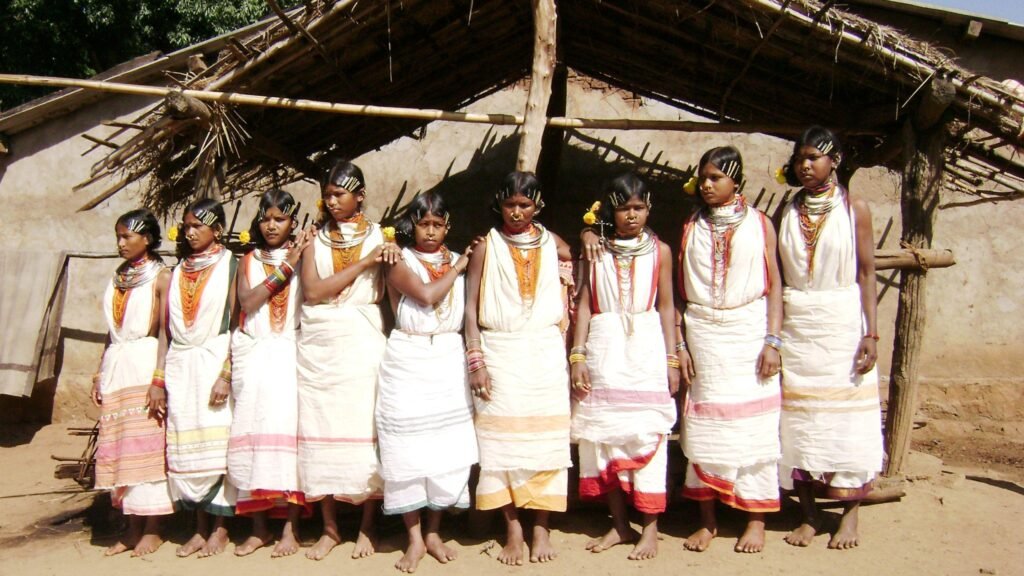
Dongria Kondh, Bonda, Gadaba, Tribal Markets, Best for First-Timers
If there is one district in India that encapsulates tribal diversity like nowhere else, it is Koraput. Home to over a dozen distinct tribes, including the Dongria Kondh, Bonda, Gadaba, Didayi, and Paraja. This southern Odisha region is a living ethnographic museum that happens to be set against some of the most beautiful forested landscapes in the country.
The weekly tribal haats (markets) at Onkadelli, Chatikona, and Kunduli are extraordinary spectacles. Tribal women arrive in traditional attire, aluminium neck rings, bead jewellery, intricate tattoos to trade forest produce, handwoven cloth, and medicinal herbs. These markets are among the few places on earth where commerce is still conducted almost entirely on barter principles.
Ghum India Ghum recommends: The Onkadelli market (Thursday) for the highest concentration of tribes. Combine with a stay at Jeypore and a visit to the Araku Valley for a 5-day Odisha tribal circuit. Our local guides speak Kondhi and Oriya and have community permissions for village visits.
Best time to visit: October–March. Avoid the monsoon (June–September) when roads become impassable.
2. Nagaland, Northeast India : Kohima & the Hornbill Festival — Northeast India’s Greatest Show
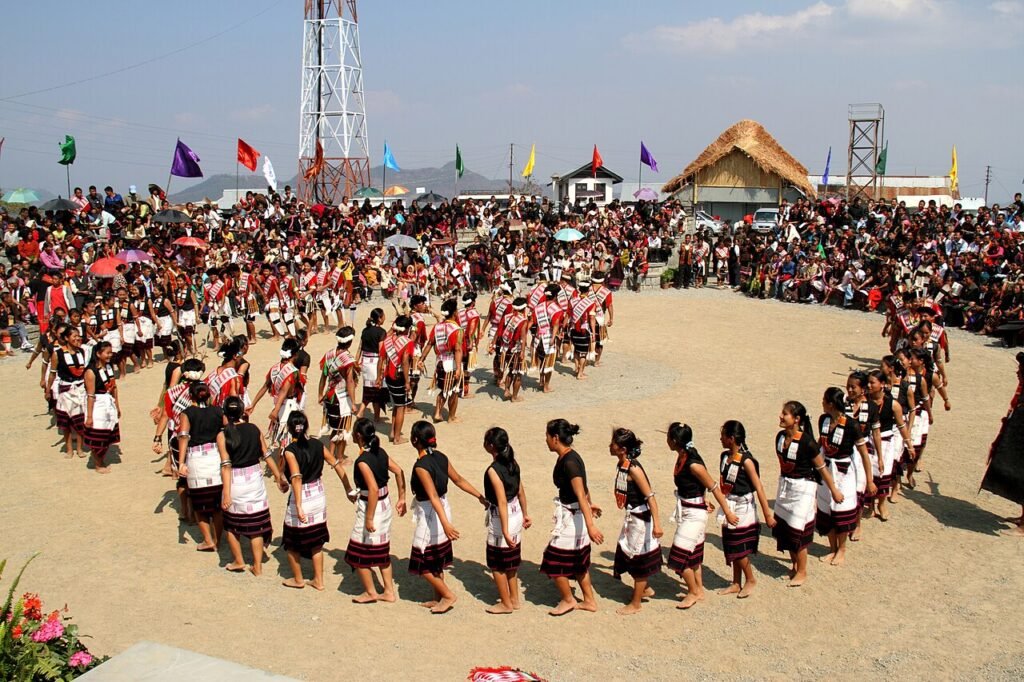
Naga Tribes, Hornbill Festival, War History, Music & Dance
Every December 1–10, Nagaland hosts what is arguably the most visually arresting cultural festival on the Asian continent. The Hornbill Festival brings together all 17 Naga tribes in a showcase of warrior dances, traditional music, fire-making rituals, indigenous food, and ancient games all set against the misty highlands near Kisama village, 12 km from Kohima.
Outside festival season, Nagaland rewards patient travellers with village homestays, interactions with the extraordinary Naga kitchen tradition, and visits to morungs (traditional bachelor dormitories) still decorated with carved wooden skulls and hunting trophies. The Ao and Angami tribal villages near Kohima and Mokokchung are particularly accessible for international visitors.
Ghum India Ghum recommends: Book the Hornbill Festival package at least 4 months in advance, accommodation fills completely. We arrange permits (required for all foreigners visiting Nagaland), ground transport, and village homestays with trusted Naga host families.
Best time to visit: December (Hornbill Festival) or October–April for pleasant weather.
3. Chhattisgarh, Central India : Bastar — Where Tribal Culture Runs Deepest
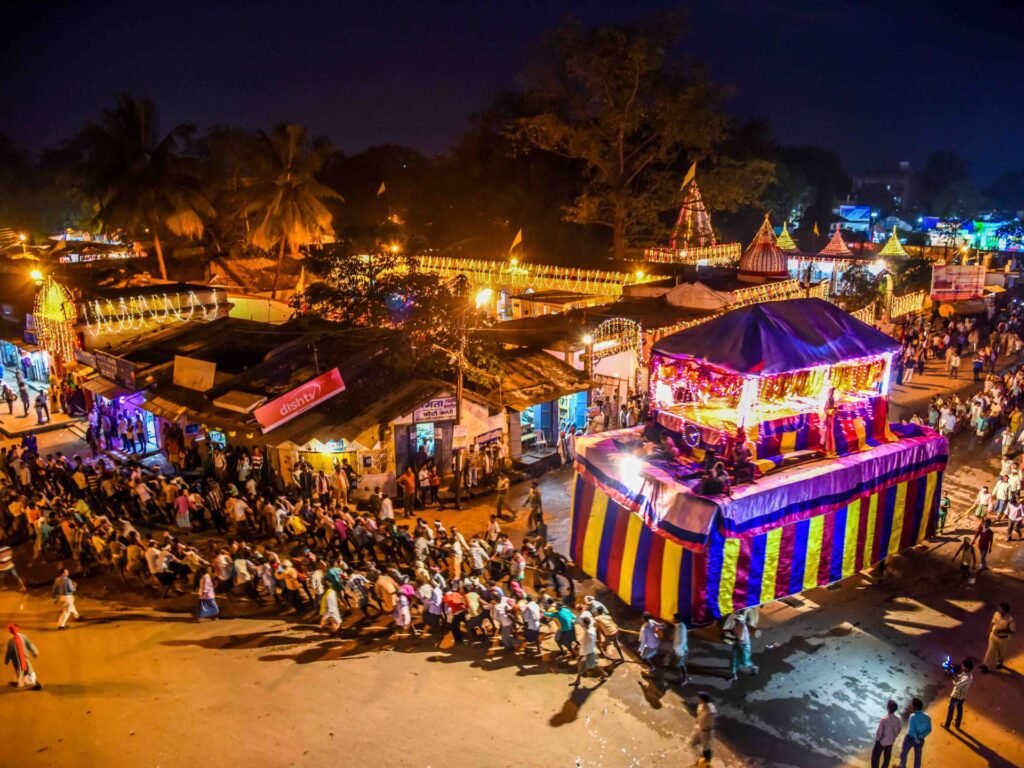
Gond, Maria, MuriaTribal Art, Dussehra Festival
Bastar, in the heart of Chhattisgarh, is the spiritual and cultural centre of the Gond tribal universe. The region’s dramatic landscape, dense sal forests, waterfalls, and the Indravati River, forms the backdrop to one of India’s most ancient living cultures. The Maria and Muria tribes of Bastar have maintained traditions that pre-date the arrival of mainstream Hinduism in the region by centuries.
The Bastar Dussehra festival, held over 75 days (the longest festival in India), is a riveting spectacle quite unlike the Dussehra celebrated elsewhere in India. It honours the local goddess Danteshwari and involves rituals that blend animism with folk Hinduism in a way that is uniquely Bastar. The craft tradition here, Dhokra bronze casting, tribal terracotta, and bell metal work is also world-class.
Ghum India Ghum recommends: A 4-night Bastar circuit visiting Jagdalpur (base), Chitrakote Falls (India’s widest waterfall), Tirathgarh Falls, and the tribal weekly markets at Narayanpur and Kondagaon. Our experts navigate access to this sensitive region safely and responsibly.
4. Meghalaya, Northeast India ; Cherrapunji & Mawlynnong — The Living Root Bridge Country
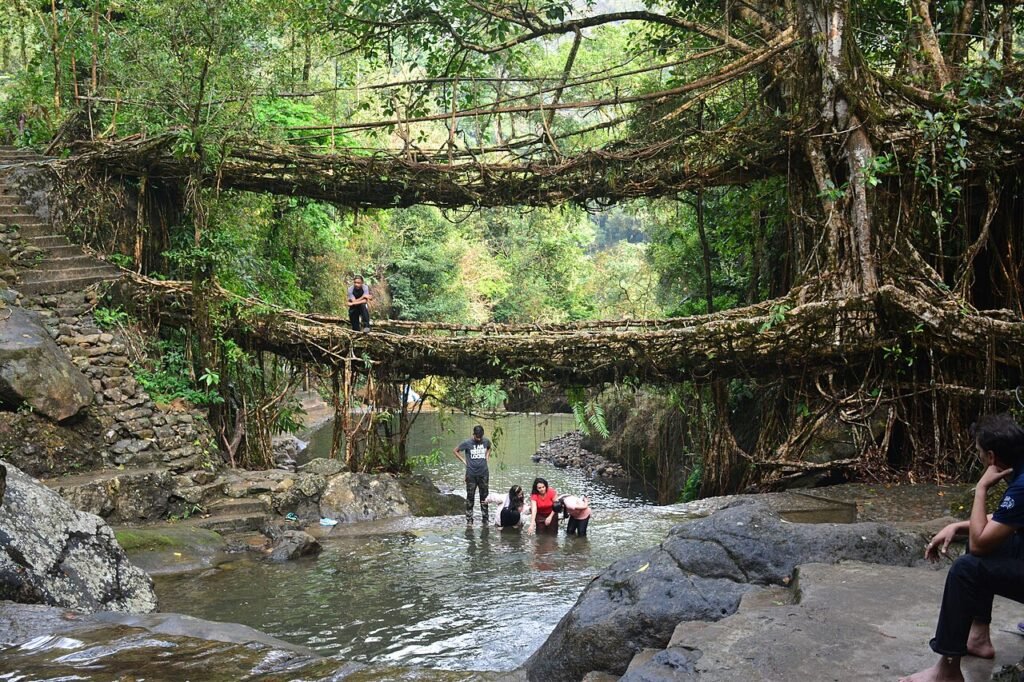
Khasi Tribe, Jaintia, Living Root Bridges, Matrilineal Society
Meghalaya, meaning “abode of clouds” is home to the Khasi, Jaintia, and Garo tribes, whose matrilineal social structures fascinate anthropologists and travellers alike. In Khasi and Jaintia society, property and surnames pass through the mother’s line a rare and remarkable system that has persisted for millennia.
The iconic double-decker living root bridges near Cherrapunji are perhaps India’s most extraordinary feat of bio-engineering, trained over generations by Khasi villagers from the aerial roots of rubber fig trees. The village of Mawlynnong often called Asia’s cleanest village, offers a window into traditional Khasi homelife. Nearby, the Dawki River on the Bangladesh border offers some of the most crystal-clear boating experiences anywhere on earth.
Ghum India Ghum recommends: Combine Meghalaya with Assam (Kaziranga) and Arunachal Pradesh for a 10-day Northeast India tribal and wildlife circuit, one of our most popular packages for US and European travellers.
5. Arunachal Pradesh, Northeast India : Ziro Valley & Tawang — The Last Frontier of Tribal India

Apatani Tribe, Monpa, Nyishi, Buddhist Culture, Ziro Music Festival
Arunachal Pradesh, India’s most biodiverse and least-visited state is home to over 26 major tribes and more than 100 sub-groups, making it the most tribal-rich state in the country. The Ziro Valley, home to the Apatani tribe, is a UNESCO World Heritage tentative site. Apatani women were traditionally tattooed on the face and wore large nose plugs, a practice now dying out to make themselves less attractive to raiders from other tribes.
The annual Ziro Music Festival (September) has grown into India’s most beloved indie music event, set against the paddy fields and pine forests of the valley, drawing performers and attendees from across the world. Tawang, in the far northwest of the state, is home to the Monpa tribe and the spectacular Tawang Monastery, the largest Buddhist monastery in India.
Important note: All foreign nationals require an Inner Line Permit (ILP) and Protected Area Permit (PAP) to visit Arunachal Pradesh. Ghum India Ghum handles all permit applications as part of our Northeast India packages.
6. Rajasthan, Northwest India : Udaipur Hinterlands — The Bhil Tribal Belt
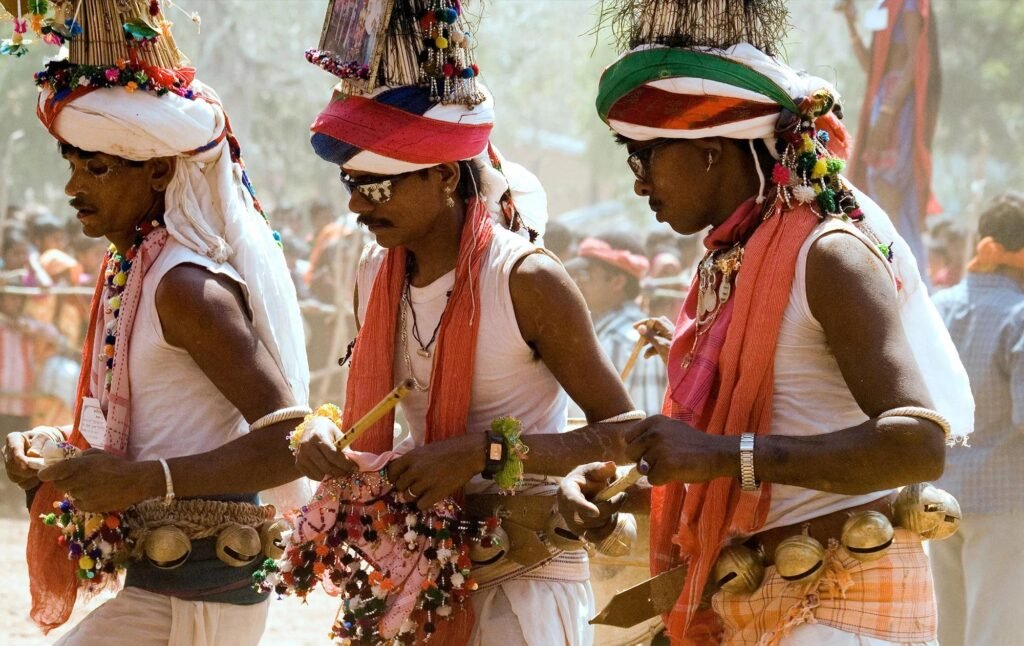
Bhil Tribe, Garasia, Tribal Craft, Pithora Art
Most visitors to Rajasthan explore its magnificent forts and palaces without realising that the state has a thriving tribal population. The Bhil, India’s third-largest tribal group inhabit the Aravalli hills around Udaipur, Dungarpur, and Banswara, while the Garasia tribe occupies the forested hills of the Sirohi and Pali districts.
Bhil art, particularly the extraordinary Pithora murals painted on the interior walls of homes during festivals and ceremonies, is gaining recognition worldwide. Several Bhil artists have exhibited in international galleries, yet their villages remain almost entirely off the tourist trail. The Gavri festival (celebrated during the monsoon) is an incredible 40-day theatrical tradition unique to Bhil culture.
Ghum India Ghum recommends: Combine a Bhil tribal village visit with the Udaipur–Kumbhalgarh–Ranakpur heritage circuit for a well-rounded Rajasthan experience that goes far beyond what most tour operators offer.
7. Gujarat, Western India : Dahanu & Dang — The Forest Tribes of Gujarat
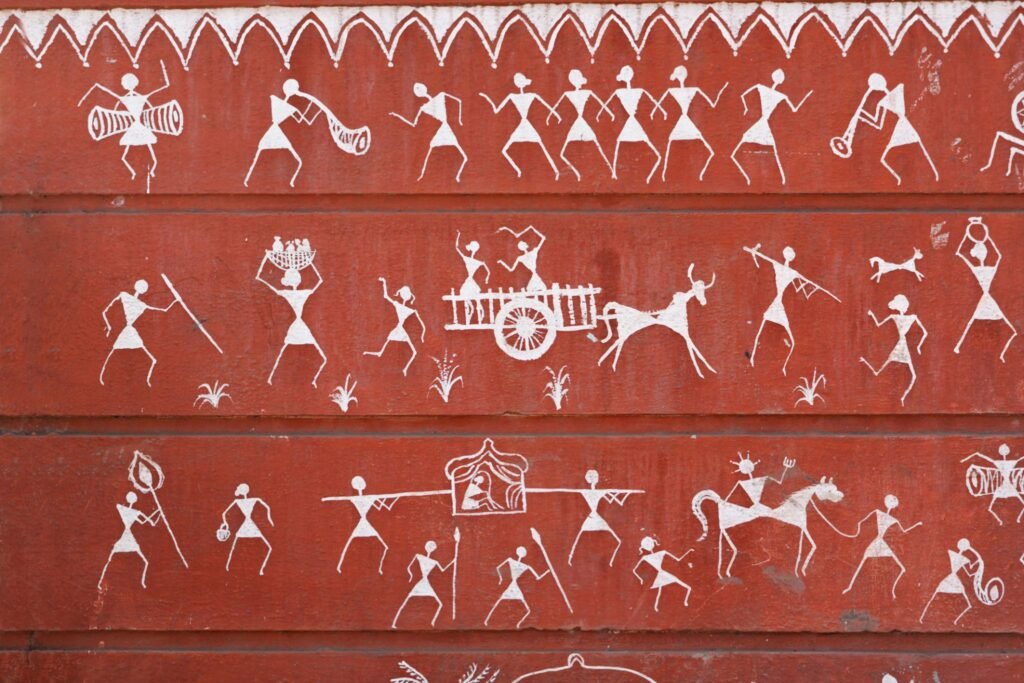
Warli Tribe, Dang, Warli Art, Rathwa
The Warli tribe of northern Gujarat and Maharashtra created one of the world’s oldest and most distinctive folk art traditions, white geometric paintings on mud walls that have been practised for at least 2,500 years and now appear on designer clothing, upscale interiors, and gallery walls globally. Yet very few visitors make the journey to the actual Warli villages in the Dahanu and Palghar districts.
Further south, the Dang district of Gujarat is home to the Bhil, Konkana, and Warli tribes, and hosts the spectacular Dangs Darbar festival, a colourful gathering where tribal communities dress in full traditional regalia and perform ancient folk dances to celebrate the beginning of summer.
8. Jharkhand, Eastern India : Ranchi & Dumka — The Santali Homeland
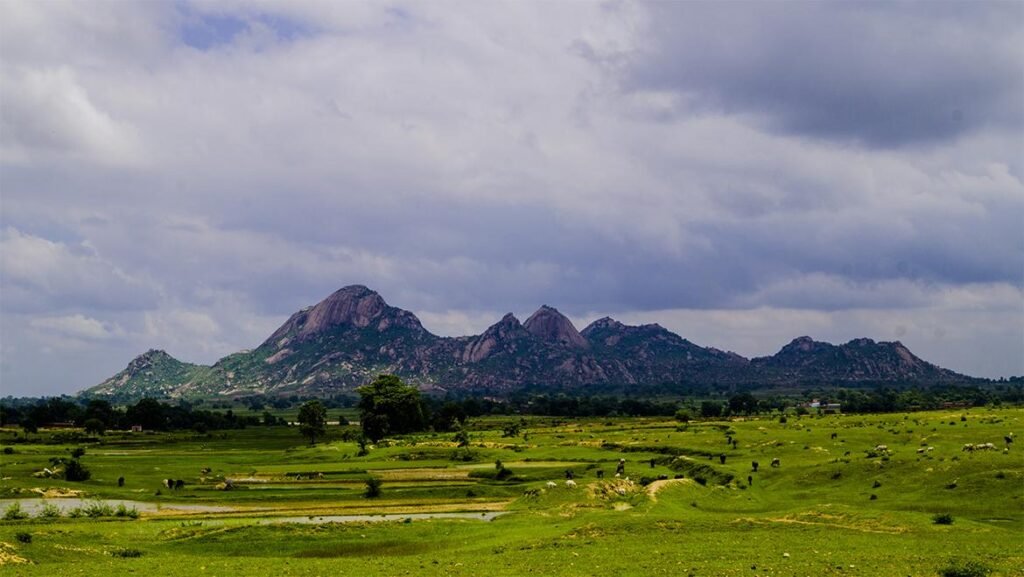
Santali Tribe, Ho, Mundari, Sohrai Festival
Jharkhand, literally “land of forests”, is home to over 32 scheduled tribes including the Santali, Ho, Mundari, Oraon, and Birhor. The Santali are one of the largest tribal groups in Asia, with a rich oral tradition, a unique script (Ol Chiki), and a body of music that has influenced mainstream Indian cinema and folk music for generations.
The Sohrai festival, a harvest celebration marked by the painting of extraordinarily detailed murals on the exterior walls of Santali and Oraon homes, transforms entire villages into open-air art galleries. The Jonha Falls, Dassam Falls, and Betla National Park all fall within reach of the tribal belt, making Jharkhand ideal for a nature-and-culture combination trip.
9. Andaman Islands, Andaman — The Island of Ancient Peoples
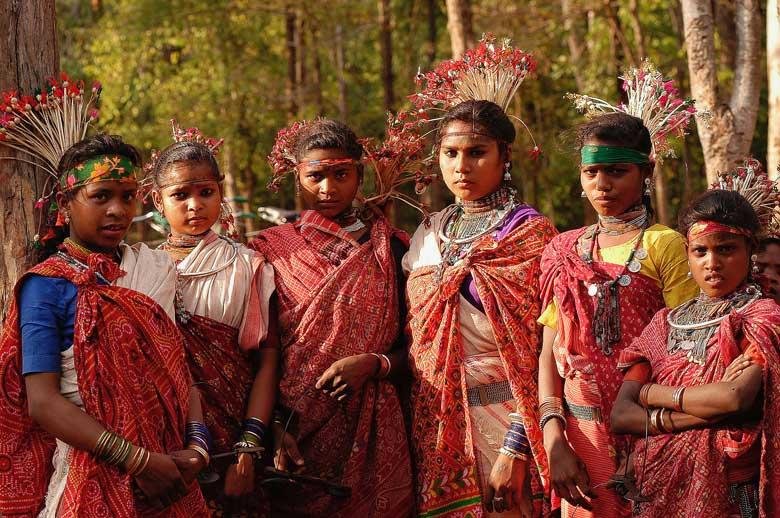
Jarwa Reserve, Great Andamanese, Marine Heritage, Responsible Tourism
The Andaman Islands are home to some of the world’s most isolated indigenous communities, including the Jarwa, Great Andamanese, Onge, and the Sentinelese, the latter famously choosing to remain entirely cut off from the outside world on North Sentinel Island. While direct contact with protected tribes is strictly prohibited and ethically unacceptable, the islands’ tribal heritage is deeply woven into their landscape, museums, and the story of their extraordinary biological isolation.
The Anthropological Museum in Port Blair houses one of India’s finest collections of Andamanese tribal artefacts. The islands themselves, with their turquoise waters, coral reefs, and jungle-covered hills, make them one of India’s most visually spectacular destinations regardless of the tribal dimension.
Responsible tourism note: Ghum India Ghum strictly follows all Indian government guidelines on Andamanese tribal communities. We do not offer or arrange any contact with protected tribes, and actively educate our clients on why this boundary must be respected.
10. Manipur, Northeast India : Imphal & Loktak — Warriors, Floating Islands & Polo
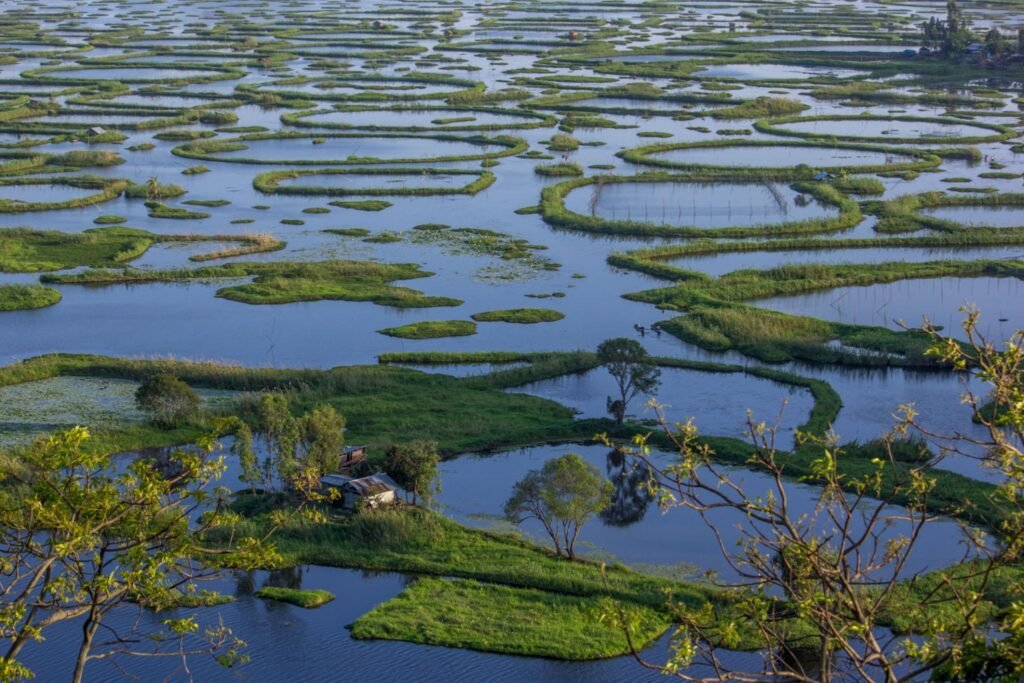
Meitei, Naga, Kuki-Zo, Loktak Lake
Manipur, the birthplace of polo, is one of India’s most culturally complex and visually stunning states. The valley is home to the Meitei people, while the surrounding hills are inhabited by multiple Naga and Kuki-Zo tribal communities. The extraordinary Loktak Lake, the largest freshwater lake in Northeast India, is home to the Phumdis, floating islands of organic matter upon which the Meitei fishermen build their homes.
The Sangai Festival (November) is Manipur’s premier cultural showcase, celebrating classical Manipuri dance, tribal music, indigenous sports, and handicrafts. Manipur is currently opening up carefully to tourism after years of limited access, and represents one of the most exciting new frontiers in Indian tribal tourism.
11. Madhya Pradesh, Central India : Pench & Panna — Gond Tiger Country

Gond Tribe, Baiga, Tiger Reserves, Gond Painting
Madhya Pradesh, the original Jungle Book country, is home to some of India’s most celebrated tribal artists. The Gond and Baiga tribes of the Satpura, Vindhya, and Maikal hill ranges have created an art tradition so extraordinary that Gond artist Jangarh Singh Shyam was exhibited at the Pompidou Centre in Paris. Today, a new generation of Gond and Baiga painters are represented by galleries in London, New York, and Delhi.
A visit to the villages near Pench or Kanha combines tiger safari experiences with authentic encounters with the Gond community, one of India’s most artistically gifted tribal groups. The Baiga, who once subsisted entirely through forest dwelling, maintain some of the most striking tattoo traditions in the country.
12. Mizoram, Northeast India : Aizawl — The Mizo Cultural Experience
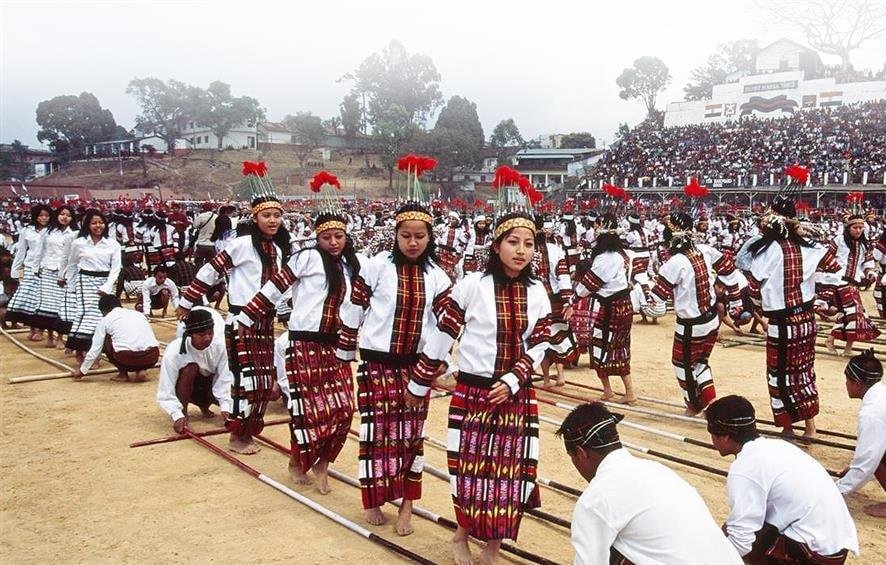
Mizo Tribe, Cheraw Dance, Anthurium Festival
Mizoram is one of India’s most literate and least-explored states, a ridge of forest-covered hills between Bangladesh and Myanmar, home to the Mizo people, who practice a philosophy of mutual help called Tlawmngaihna that infuses their remarkably warm hospitality. The state capital Aizawl sits dramatically on a narrow mountain ridge and offers some of the most spectacular sunset views anywhere in India.
The Cheraw dance, Mizoram’s traditional bamboo dance is one of India’s most technically demanding folk dances, requiring extraordinary footwork between bamboo poles struck rhythmically by performers. The Anthurium Festival (September–October) celebrates the state flower and showcases the full range of Mizo cultural traditions.
13. West Bengal, Eastern India : Purulia — The Land of Chhau Dance
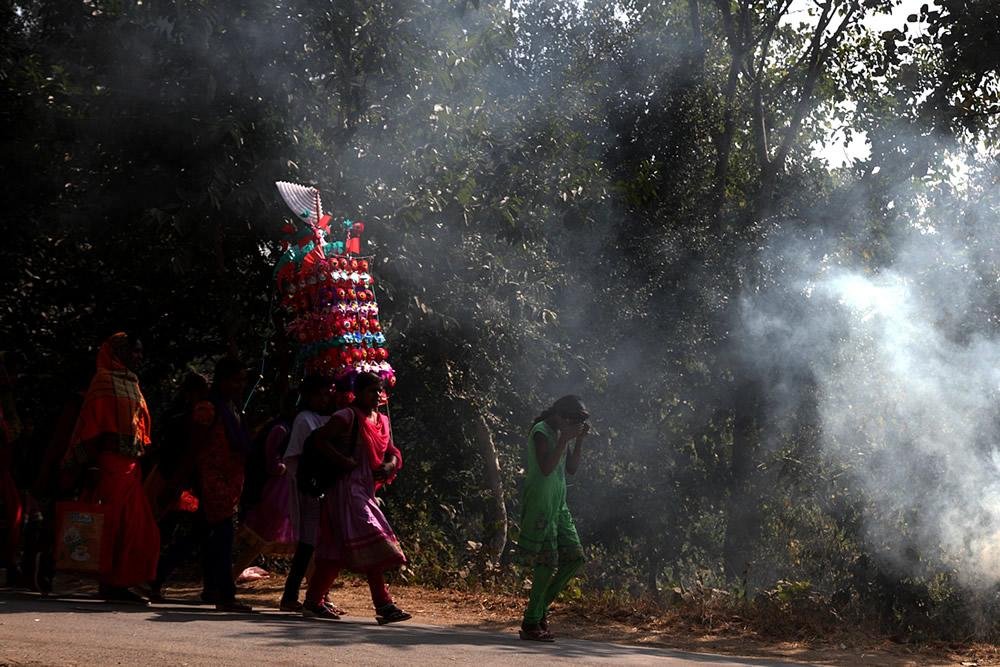
Santali, Chhau Dance,Tusu Festival, Manbhum Folk Art
Purulia, in the red laterite badlands of West Bengal bordering Jharkhand, is the home of Chhau dance, a spectacular masked martial dance form recognised by UNESCO as an Intangible Cultural Heritage of Humanity. The Purulia Chhau tradition is the most vigorous of three regional variants, with performers wearing extraordinary papier-mâché masks depicting gods, demons, and animals from Hindu mythology.
The Tusu festival (January), the Bhadu festival, and the weekly tribal haats make Purulia one of the most rewarding off-the-beaten-track destinations in eastern India. The district is accessible from Kolkata in under 5 hours, making it an ideal extension to a Kolkata–Darjeeling itinerary.
14. Telangana & Andhra Pradesh, South India : Araku Valley — The Coffee Tribe Country of the Eastern Ghats
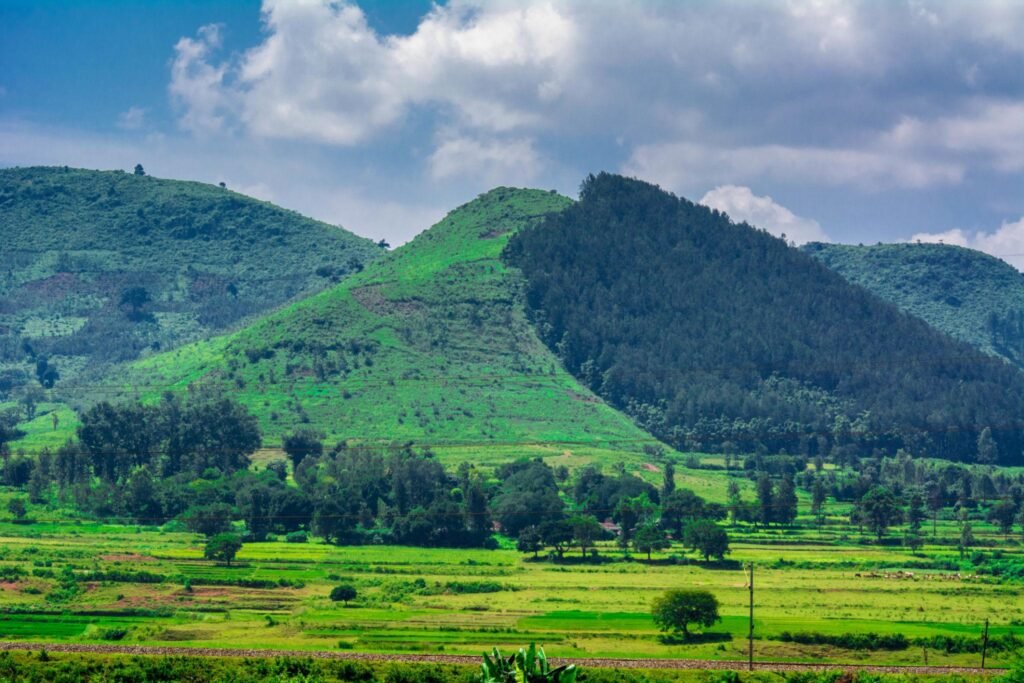
Kondh, Chenchu, Tribal Coffee, Borra Caves
The Araku Valley in the Eastern Ghats, straddling the Andhra Pradesh–Odisha border, is an extraordinary tribal landscape accessible by one of India’s most scenic train journeys, the Kirandul Express from Visakhapatnam, which winds through 84 tunnels and 27 stations to reach this tribal plateau at 1,000 metres elevation.
The valley is home to the Kondh, Porja, and Gadaba tribes, who cultivate some of India’s finest shade-grown arabica coffee. The Araku Tribal Coffee brand has won international acclaim, and visitors can now tour the coffee estates run by tribal cooperatives, taste single-origin brews, and stay at tribal-owned eco-lodges. The nearby Borra Caves (one of India’s largest cavern systems) add a spectacular natural dimension to the trip.
15. Sikkim, Eastern Himalayas : Dzongu — The Lepcha Sacred Valley
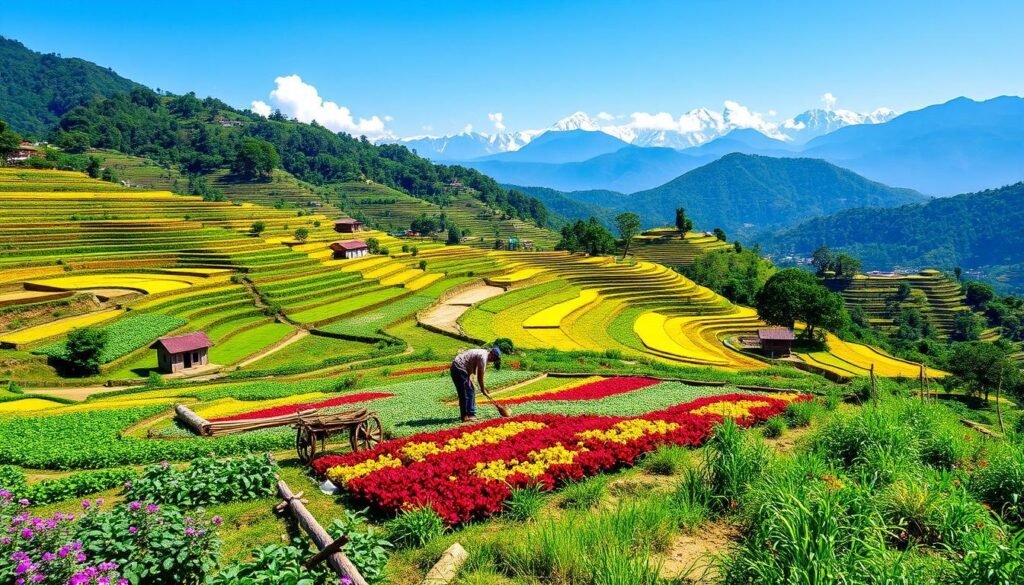
Lepcha Tribe, Rong People, Sacred Forest, Organic Farming
The Lepcha, also known as Rong, the “beloved children of the sacred land”, are the original inhabitants of Sikkim and one of India’s most ecologically sophisticated indigenous communities. The Dzongu Reserve, a protected area in North Sikkim designated specifically for the Lepcha, is a landscape of extraordinary natural beauty: glacial rivers, ancient forests, cardamom gardens, and views of the Kangchenjunga massif (the world’s third-highest peak).
Access to Dzongu requires special permits and pre-arranged homestays with Lepcha families, but the reward is one of the most intimate tribal experiences in India, in one of the Himalayas’ most pristine landscapes. Ghum India Ghum is one of very few operators with established community connections in Dzongu.
Ghum India Ghum recommends: A 3-night Dzongu homestay combined with Gangtok sightseeing and a Darjeeling tea estate visit makes a perfect 8-day Sikkim circuit for international travellers.
Best Time to Visit Tribal Destinations in India
The right season transforms a good tribal trip into an unforgettable one. Here is a month-by-month breakdown of the best tribal festivals and travel conditions across India:
| Month | Destination | Event / Reason |
|---|---|---|
| January | Odisha (Koraput) | Peak tribal market season; cool weather |
| January | West Bengal (Purulia) | Tusu Festival; Chhau dance performances |
| February | Gujarat (Dang) | Dangs Darbar tribal gathering |
| March | Rajasthan | Holi celebrations in Bhil villages |
| September | Arunachal Pradesh (Ziro) | Ziro Music Festival |
| October | Mizoram | Anthurium Festival; post-monsoon scenery |
| October–November | Chhattisgarh (Bastar) | Bastar Dussehra (75-day festival) |
| November | Manipur | Sangai Festival |
| December 1–10 | Nagaland (Kohima) | Hornbill Festival — book far in advance |
| Year-round | Northeast India | Oct–Apr best weather; avoid monsoon travel |
Sample Itinerary: 14-Day Tribal India Grand Tour
This is Ghum India Ghum’s flagship tribal India itinerary, designed for international travellers from the US and Europe seeking an immersive, multi-region experience. It can be customised for any travel dates and group size.
Day 1–2
Delhi — Arrival & Orientation. Arrival in Delhi. Welcome briefing with your Ghum India Ghum travel expert. Visit the National Museum of Tribal Art and the Crafts Museum for cultural context before heading into tribal territory. Overnight Delhi.
Day 3–5
Odisha — Koraput Tribal Circuit. Fly to Visakhapatnam, drive to Jeypore. Attend the Onkadelli tribal haat. Visit Bonda Ghati (Bonda tribe village) with a community-approved local guide. Half-day at Araku Valley coffee estates. Overnight Jeypore.
Day 6–7
Chhattisgarh — Bastar. Drive or fly to Jagdalpur. Visit Chitrakote Falls, the weekly tribal market at Narayanpur, and a Dhokra bronze-casting workshop. Overnight Jagdalpur.
Day 8–9
Jharkhand — Santali Villages. Fly to Ranchi. Village visits near Dumka with a Santali cultural guide. Witness Sohrai mural painting (seasonal). Visit Jonha Falls and the Betla forest. Overnight Ranchi.
Day 10–12
Nagaland — Hornbill Festival. (December dates) Fly to Dimapur, transfer to Kohima. Three full days at the Hornbill Festival — warrior dances, traditional music, indigenous food court, cultural competitions. Village visits to Khonoma and Touphema. Overnight Kohima.
Day 13
Meghalaya — Living Root Bridges. Drive to Shillong. Trek to the double-decker living root bridges at Nongriat. Visit Mawlynnong village. Overnight Shillong.
Day 14
Guwahati — Departure. Transfer to Guwahati airport for onward flights. Briefing on recommended tribal art purchases and ethical souvenirs. Departure.
Customize this itinerary with Ghum India Ghum: Every trip we design is custom-built. We can shorten, extend, adjust the pace, upgrade or downgrade accommodation, and design entirely different regional circuits based on your interests, travel dates, and budget. Contact us at info@ghumindiaghum.com or use the booking form below.
Cultural Do’s & Don’ts for Tribal Tourism in India
Responsible travel in tribal regions requires cultural sensitivity and genuine respect. Here is what every visitor should know before they go:
✓ Do’s
- Always visit with a locally appointed community guide
- Ask permission before photographing people, especially women and elders
- Accept food and drink offered to you, refusal can cause offence
- Dress modestly, cover shoulders and knees in village settings
- Buy crafts directly from artisans and tribal cooperatives
- Learn a few words of greeting in the local tribal language
- Follow your guide’s instructions on which areas are off-limits
- Carry your government permits and ID at all times
✗ Don’ts
- Do not visit restricted tribal zones without official permits
- Do not distribute sweets, money, or gifts to children, it creates dependency
- Do not enter sacred spaces (dance grounds, ritual areas) without permission
- Do not photograph tribal people as if they were exhibits
- Do not bargain aggressively with tribal artisans, their prices are already low
- Do not consume alcohol before or during village visits
- Do not make promises of sending photographs, follow through or don’t offer
- Do not share images of sensitive tribal communities on public social media
Practical Information for US & European Visitors
Visas
Citizens of the US, UK, EU, Australia, and most other countries can obtain an Indian e-Visa online before travel. The Tourist e-Visa allows stays of up to 90 days and is processed within 3–5 business days. For travel to restricted tribal areas (Nagaland, Arunachal Pradesh, Andaman & Nicobar, parts of Manipur and Mizoram), additional Inner Line Permits or Protected Area Permits are required. Ghum India Ghum handles all permit applications for clients as part of our tour packages.
Flights from the US and Europe
Delhi (Indira Gandhi International Airport) and Mumbai (Chhatrapati Shivaji Maharaj International Airport) are the primary international gateways. From these hubs, domestic flights connect to all tribal regions, Bhubaneswar (Odisha), Raipur (Chhattisgarh), Dimapur (Nagaland), Guwahati (Northeast India), Ranchi (Jharkhand), and Port Blair (Andaman Islands). Ghum India Ghum books all domestic connections as part of a seamless package.
Currency & Payments
India uses the Indian Rupee (INR). ATMs are available in all state capitals and major towns, but are rare in deep tribal regions. We strongly recommend carrying sufficient cash for tribal market areas and village visits. Credit cards are accepted at most hotels we use. All Ghum India Ghum tours can be priced and invoiced in USD, GBP, or EUR for international clients.
Frequently Asked Questions About Tribal Tourism in India
A: Tribal tourism in India offers travelers the chance to experience the culture, traditions, crafts, food, music, and lifestyles of India’s 700+ indigenous tribal communities. With over 104 million tribal people, India has the world’s largest tribal population. When managed responsibly, tribal tourism supports local livelihoods and helps preserve traditional cultures.
A: Ghum India Ghum is a leading tour operator and DMC for tribal tourism in India. We combine strong community connections, experienced local guides, and seamless logistics to create authentic and responsible tribal experiences for travelers from India, Europe, and the USA.
A: Yes. Tribal regions are generally safe when visited with an experienced operator. Ghum India Ghum handles permits, logistics, safety arrangements, and community introductions, ensuring a smooth and secure experience.
A: October to March is ideal for most tribal regions. The Hornbill Festival in Nagaland is best visited in December. Central India is best from October to February, while Northeast India is ideal from October to April. Monsoon travel (June–September) is generally not recommended.
A: Some regions, including Nagaland, Arunachal Pradesh, parts of Manipur, Mizoram, and the Andaman Islands, require permits for foreign visitors. Ghum India Ghum arranges all necessary permits as part of its tour services.
A: You can book directly through Ghum India Ghum. We create customized itineraries based on your interests, travel dates, group size, and budget, with pricing available in USD, GBP, and EUR.
Ghum India Ghum Travel Experts
India’s Trusted Tour Operator & DMC · Est. 2010
Ghum India Ghum is one of India’s most respected tour operators and destination management companies, with over a decade of experience designing immersive, responsible journeys across India. Our tribal tourism team has built direct relationships with communities in Odisha, Nagaland, Chhattisgarh, Northeast India, and beyond. We are certified by the Ministry of Tourism, India, and listed with IATO (Indian Association of Tour Operators). Our clients include independent travellers from the US, UK, Germany, France, and Australia, as well as global travel agencies who trust us as their DMC for India. Learn more about us →
Ready to Experience Tribal India?
Let Ghum India Ghum, India’s best tour operator and DMC for tribal tourism, design your perfect Indian journey. Fully customized. Responsibly crafted. Unforgettable. Plan My Tribal TourTalk to a Travel Expert
Certified by Ministry of Tourism, India · IATO Member · Trusted DMC for US, Europe & India
