

Cross the Bagmati River from Kathmandu and you land in a different city entirely. Patan, also called Lalitpur, means “city of beauty.” It’s spent over 1,500 years earning that name. Its Durbar Square is smaller than Kathmandu’s. Many travelers and historians consider it the most refined of the valley’s three, built by kings who competed to out-craft their rivals in stone and gilded bronze. This Patan travel guide covers everything you need to plan your visit: how to get here from Kathmandu, what it costs, the best things to do, where to eat, and how much time to set aside. Whether you’re traveling from the US, Europe, or India, the information below is practical and current. A full FAQ section is included for quick planning.
Quick answer: Patan sits just across the Bagmati River from Kathmandu, roughly 20–30 minutes away by taxi. Most travelers visit as a half-day trip, often paired with Kathmandu or Bhaktapur in the same itinerary. Entry costs NPR 1,000 for most foreign nationals. SAARC nationals, including Indian citizens, pay NPR 250. The ticket includes the excellent Patan Museum.
Patan at a Glance
| Country | Nepal |
|---|---|
| Also known as | Lalitpur |
| Distance from Kathmandu | ~5–6 km (20–30 min by road) |
| Entry fee (foreigners) | NPR 1,000 (~$8 USD) |
| Entry fee (SAARC/Indian nationals) | NPR 250 |
| Ideal duration | Half day to full day |
| Best time to visit | October–November & March–April |
| Known for | Newari architecture, metalwork, the Patan Museum, Krishna Mandir |
| Best for | Art and architecture lovers, museum visitors, photography |
Fees are subject to change. Always confirm current pricing at the ticket booth or with your tour operator before you go.
Why Visit Patan
Patan is older than Kathmandu itself, with roots tracing back over two thousand years. For centuries, it operated as an independent kingdom within the valley. Its rulers channeled enormous wealth into temples, courtyards, and artisan workshops. That history is why Patan today remains the center of Nepal’s traditional metalworking, stone carving, and thangka painting.
No Patan travel guide is complete without naming what sets the city apart. Compared to Kathmandu and Bhaktapur, Patan feels less like a monument and more like a living arts district. Walk a few streets back from the main square and you’ll pass open workshops. Craftsmen there are still hammering repoussé bronze and casting statues, using techniques passed down through generations.
Best Time to Visit Patan
October to November: Clear skies, comfortable temperatures, and good visibility for photography. Nepal’s major festival season also falls in this window.
March to April: Mild weather with fewer crowds than autumn. A good option if you want a quieter visit to the square and museum.
December to February: Cold mornings but clear light, and noticeably fewer tourists than peak season.
June to September (monsoon): Frequent rain. The Patan Museum stays open regardless, making it a reasonable rainy-day option even in the wet season.
How Many Days Do You Need in Patan?
Half a day is enough to see Durbar Square, walk through the Patan Museum, and visit the Golden Temple. A full day lets you add Mahaboudha Temple and wander the surrounding artisan lanes. You’ll have time to stop into a metalworking or thangka workshop without rushing.
Most travelers combine Patan with either Kathmandu or Bhaktapur on the same day. All three sit within a short drive of each other. If art and architecture genuinely interest you, though, Patan alone can easily fill a slow, unhurried full day.
How to Get to Patan from Kathmandu
Patan is technically part of the greater Kathmandu Valley conurbation, separated from central Kathmandu only by the Bagmati River. This makes it the easiest of the valley’s heritage cities to reach.
- Taxi: The simplest option. Expect roughly 20–30 minutes depending on traffic and starting point. Agree on the fare before you get in, or use a ride-hailing app for a fixed price.
- Ride-hailing apps: Widely available in the valley. Usually the most convenient way to reach Patan without negotiating.
- Local bus: Frequent and cheap, though slower and less comfortable than a taxi.
- Walking: If you’re staying near the Bagmati River on the Kathmandu side, parts of Patan are walkable. Most visitors still take a short taxi ride to save time.
There’s no airport in Patan. All flights land at Kathmandu’s Tribhuvan International Airport. From there, Patan is one of the shortest onward transfers in the valley.
Patan Entry Fee and Travel Costs
Entry to Patan Durbar Square costs NPR 1,000 for most foreign nationals. SAARC nationals pay NPR 250 — a group that includes Indian, Bangladeshi, Bhutanese, Sri Lankan, Maldivian, and Pakistani passport holders. This is the lowest entry fee of the valley’s three Durbar Squares, and it includes admission to the Patan Museum, widely regarded as one of the best-curated museums in South Asia.
Rough daily budget for a Patan visit:
| Expense | Budget | Mid-range |
|---|---|---|
| Entry fee (foreigner) | NPR 1,000 (one-time) | NPR 1,000 (one-time) |
| Taxi from Kathmandu (one-way) | NPR 500–800 | Private car: NPR 1,500+ |
| Lunch | NPR 300–500 | NPR 800–1,500 |
| Craft souvenir (metalwork/thangka) | NPR 500+ | NPR 2,000+ |
| Guide (optional, half-day) | — | NPR 1,500–2,500 |
Prices fluctuate. Treat this as a planning range rather than a fixed quote.
Top Things to Do in Patan
1. Patan Durbar Square
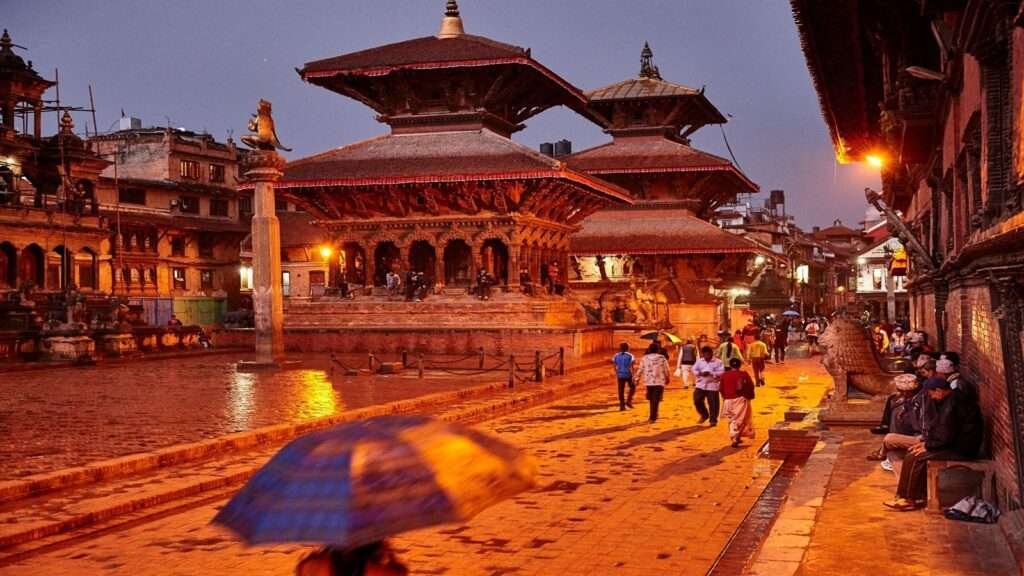
The former royal palace complex of the Malla kings, and the architectural centerpiece of the city. Stone and bronze work here is considered some of the finest in the valley. Temples are arranged closely enough that you can see three or four distinct architectural styles without moving your feet.
2. Patan Museum
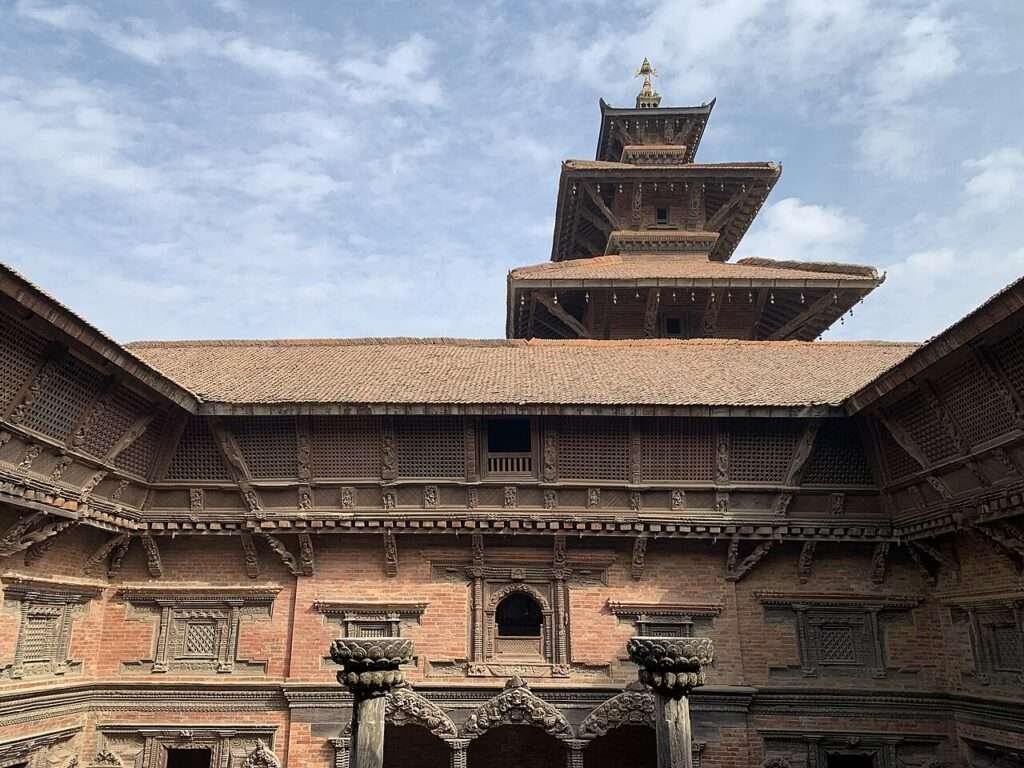
Housed inside the old royal palace, this is consistently ranked among the best museums in South Asia. It walks visitors through Nepali religious art, bronze casting, and the valley’s Hindu-Buddhist artistic traditions. English-language displays make it genuinely accessible to international visitors, not just a formality.
3. Krishna Mandir
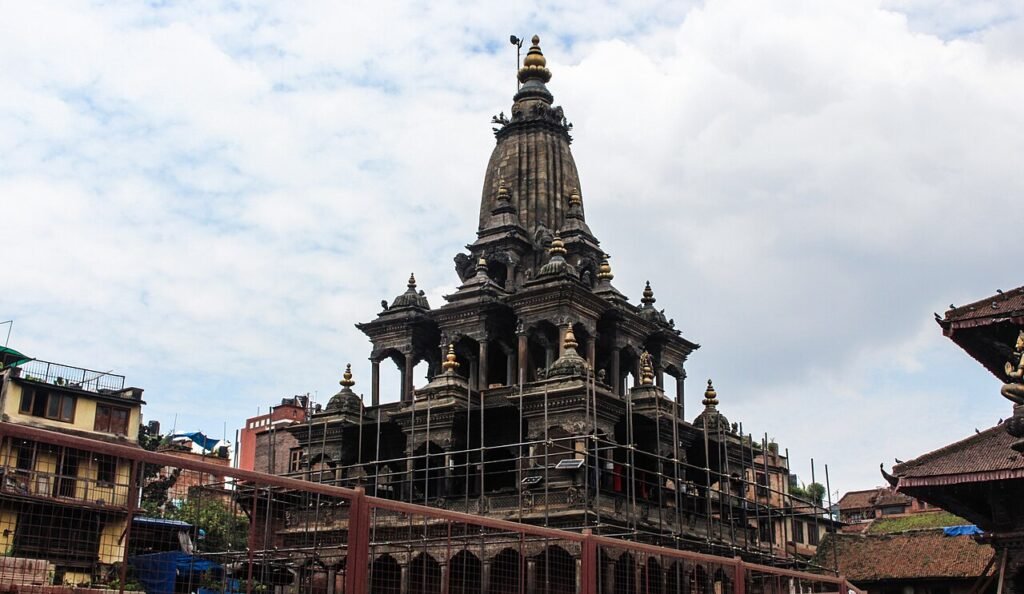
A striking stone temple dedicated to Lord Krishna, built entirely from carved stone rather than the brick and wood typical elsewhere in the valley. Its 21 golden pinnacles and detailed carvings depict scenes from the Mahabharata and Ramayana. It’s one of the most photographed temples in Patan.
4. Hiranya Varna Mahavihar (the Golden Temple)
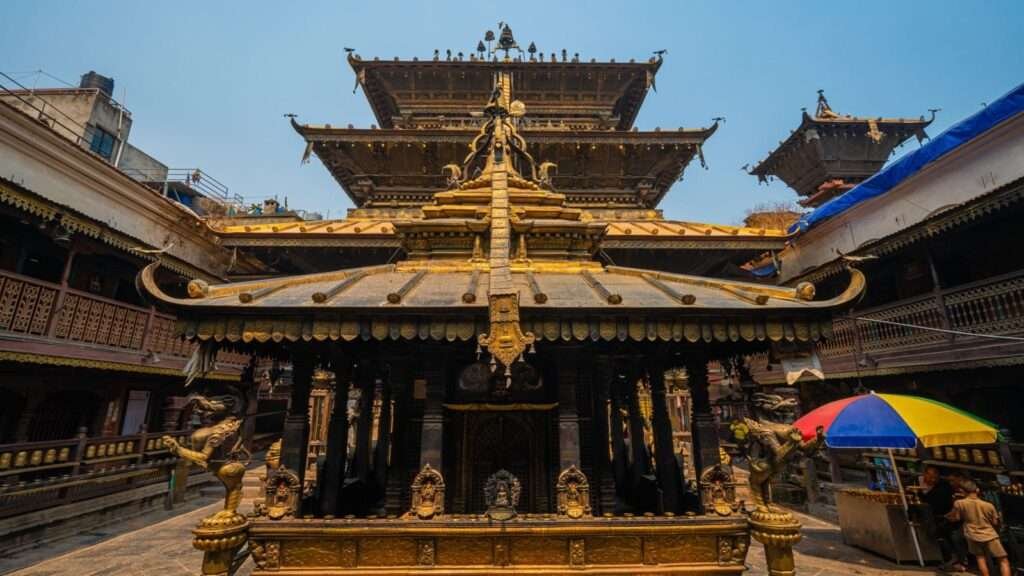
A working Buddhist monastery a short walk from Durbar Square, with a gilded copper façade that gives the temple its name. Note that there’s a small separate entry fee here on top of the Durbar Square ticket. Footwear must be removed before entering.
5. Mahaboudha Temple
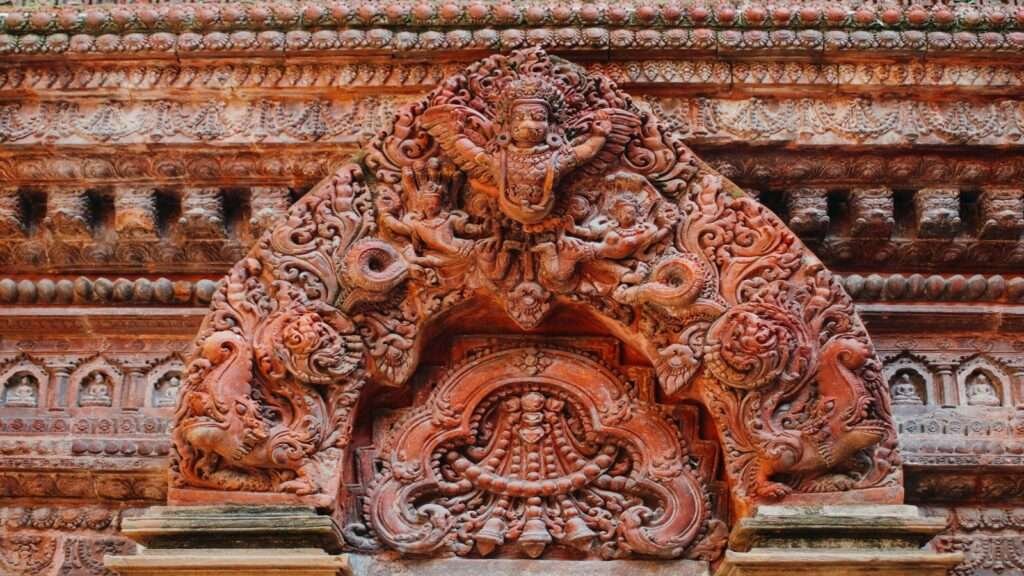
Also called the “Temple of a Thousand Buddhas,” this terracotta shikhara-style temple is covered in individually carved clay tiles. Each one bears an image of the Buddha. It’s tucked down a narrow lane and easy to miss if you’re not looking for it.
6. Patan Industrial Estate and Artisan Workshops
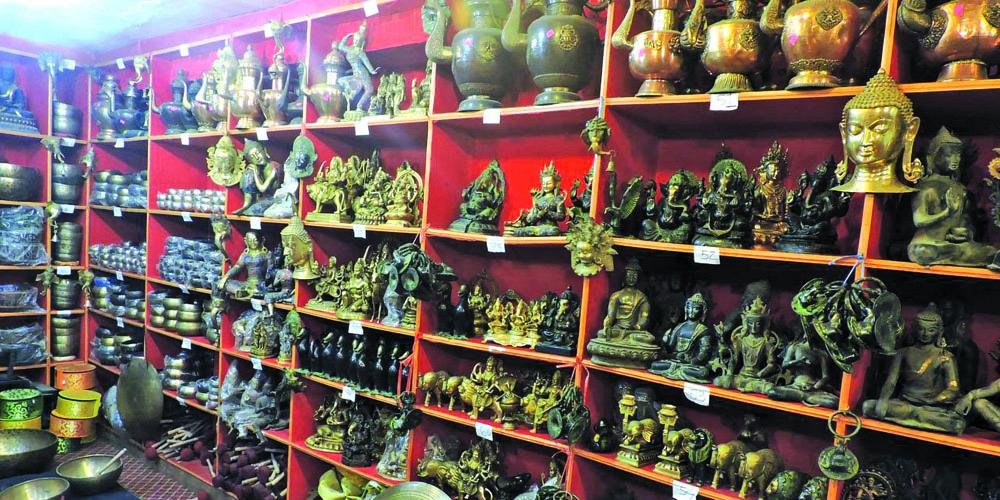
Patan remains Nepal’s center for traditional metalworking and thangka painting. Several workshops around the city welcome visitors to watch the process, from wax-casting bronze statues to hand-painting religious scrolls. Many sell directly to visitors at fairer prices than tourist shops in Thamel.
7. Kumbeshwar Temple
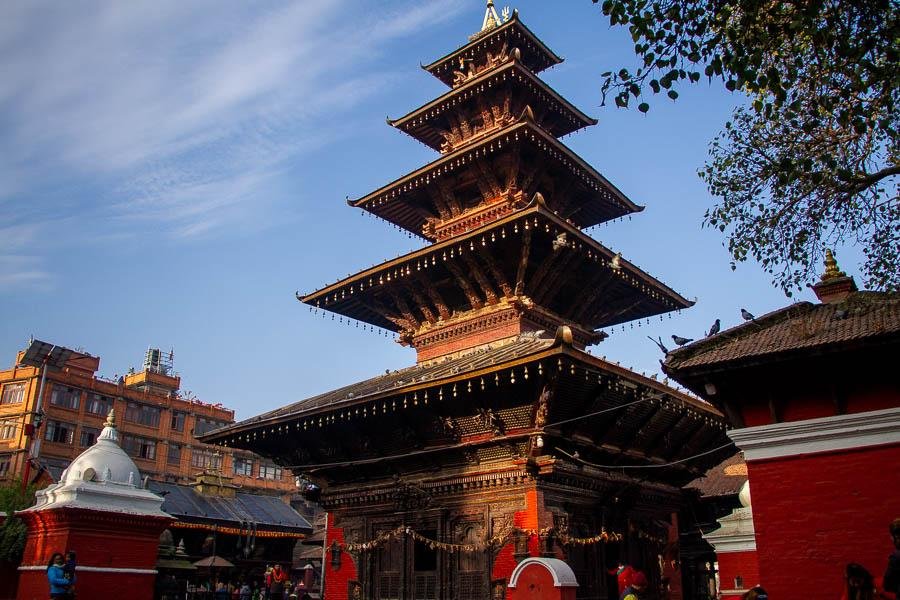
A five-story pagoda dedicated to Shiva, one of the oldest temples in Patan. It’s less crowded than the main Durbar Square and worth the short walk if you have extra time.
Where to Stay in Patan
Most travelers visit Patan as a half-day or full-day trip from Kathmandu. Given how short the transfer is, this is a perfectly practical approach. A handful of boutique heritage hotels and guesthouses operate in and around Patan itself, several in restored traditional courtyard buildings. Staying here puts you within walking distance of Durbar Square, with a noticeably quieter atmosphere than central Kathmandu.
Prefer to base yourself in Kathmandu and visit Patan as a day trip instead? Thamel remains the most convenient area, with a short taxi ride to Patan each way. See our full Kathmandu travel guide for neighborhood-by-neighborhood recommendations. Our Bhaktapur travel guide is worth a look too, if you’re planning to combine both heritage cities in one trip.
What to Eat in Patan
- Newari cuisine – Patan has its own strong Newari food scene. Local eateries around Durbar Square serve classics like choila (spiced grilled meat) and bara (lentil patties).
- Yomari – A steamed rice-flour dumpling filled with molasses and sesame. A Newari specialty, especially associated with the valley’s older cities.
- Café culture near Durbar Square – Several rooftop cafés overlook the square itself, a good spot to rest with a coffee or Nepali tea between the museum and the Golden Temple.
- Local sweet shops – Look for small family-run sweet shops in the lanes around the square. Several are generations old, selling traditional Newari confections you won’t find in Kathmandu’s more touristy areas.
Sample Patan Itinerary (From This Patan Travel Guide)
Half-day trip from Kathmandu: Arrive by mid-morning. Spend an hour or two in the Patan Museum. Explore Durbar Square and Krishna Mandir, then walk to the Golden Temple before heading back.
Full-day trip: Add Mahaboudha Temple and a visit to a metalworking or thangka workshop in the afternoon. Have lunch at a Newari restaurant near the square.
Combined valley day: Many travelers pair a Patan morning with a Bhaktapur or Kathmandu Durbar Square afternoon. All three sit within a short drive of one another.
Patan for Indian Travelers
Indian citizens don’t need a visa to enter Nepal. A valid passport or voter ID is sufficient at the border or airport. Once in Nepal, Indian nationals pay the reduced SAARC rate of NPR 250 to enter Patan Durbar Square — the lowest entry fee among the valley’s three heritage cities. Combine that with direct flights from Delhi, Mumbai, Kolkata, Varanasi, and Bengaluru into Kathmandu. Patan becomes an easy, affordable addition to almost any Nepal itinerary from India, even a short weekend trip.
Is Patan Safe?
Patan is generally very safe, with a calmer, more residential feel than central Kathmandu. Standard precautions apply. Keep an eye on belongings in the busier lanes near the market. Wear comfortable, flat shoes — much of the old city is cobbled and best explored on foot.
Frequently Asked Questions | Patan Travel Guide
A: About 5–6 kilometers, roughly 20–30 minutes by taxi depending on traffic and your starting point.
A: Yes. Patan’s architecture and stonework are widely considered more refined. The Patan Museum also offers context you won’t get from the square alone.
A: NPR 1,000 for most foreign nationals and NPR 250 for SAARC nationals, including Indian citizens. The ticket includes the Patan Museum. Always confirm current rates before you go, since fees can change.
A: It’s possible but rushed. Most travelers prefer to give each city its own half day or full day, since both reward a slower pace.
A: No. Indian citizens can enter Nepal without a visa, using a valid passport or voter ID.
A: Yes. It’s widely regarded as one of the best-curated museums in South Asia, and it adds real depth to what you see in the square.
A: Half a day covers the highlights comfortably, as this Patan travel guide’s itinerary shows. A full day is worth it if you want to include artisan workshops and Mahaboudha Temple.
Planning Your Trip
This Patan travel guide should give you everything you need, whether you’re planning a quick half-day stop or a slower full-day visit built around the museum and workshops. Patan rewards travelers who care about craft and detail. It’s the kind of place where you’ll happily spend twenty minutes looking at a single carved window, or watching a bronze statue take shape in a workshop that’s been doing the same work for generations.
If you’d rather have the logistics handled, Ghum India Ghum builds custom Nepal and India itineraries for travelers from the US, Europe, and India. We provide on-the-ground support throughout your trip, and we also have offices in Milan and the USA, so you get direct, time-zone-friendly support before you go.
Planning to combine Patan with the rest of Kathmandu Valley, or add India to your trip? Check out our Golden Triangle Tour with Nepal, combining Delhi, Agra, and Jaipur with Kathmandu Valley in one seamless itinerary. Get in touch and we’ll help you build the right route for your time and interests.
